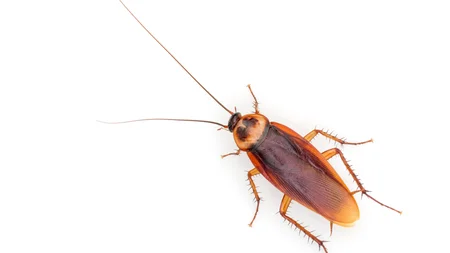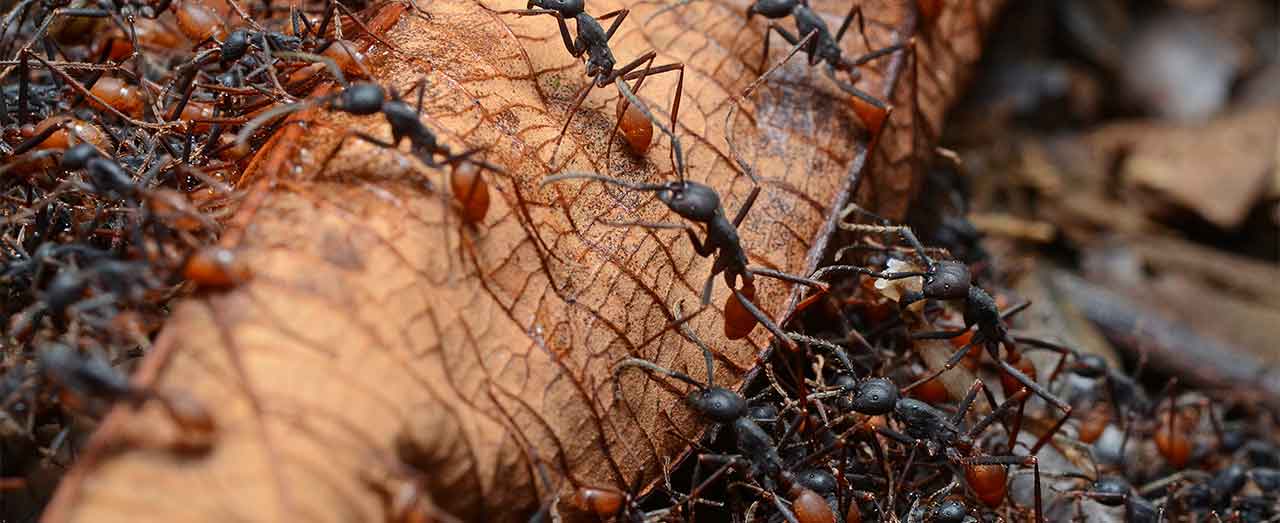
Army ants are used as “natural sutures”. Their jaws are so powerful, natives staple wounds by forcing ants to bite them and break off the body.
Army Ants Were Used as Natural Sutures for Thousands of Years
Imagine you're in the rainforest with a deep gash and no medical supplies. What do you do? If you're part of certain indigenous cultures in Africa or South America, you reach for army ants.
For over 3,000 years, people have been using the powerful mandibles of army ants as natural sutures. The technique is brilliantly simple: hold an ant so its jaws span both sides of a wound, let it bite down hard, then pinch off the body. The head stays attached, jaws clamped tight like a living staple.
Ancient Surgeons Were Ant Experts
The earliest written record comes from India's Atharva Veda around 1000 BCE, where physicians described using ants to close wounds—not just surface cuts, but intestinal wounds during abdominal surgery. We're talking about internal sutures performed with insects over 3,000 years ago.
The practice spread across continents. By 600 CE, Arabian physicians had adopted ant sutures. The Maasai warriors in East Africa used them for battle wounds. Indigenous tribes in the Amazon rainforest independently developed the same technique. European explorers documented the practice throughout South America in the 1800s, and as late as 1896, Greek barbers were still closing wounds with ant heads.
Why Army Ants Work So Well
Not just any ant will do. Army ants (genus Eciton in the Americas, Dorylus in Africa) and leafcutter ants (genus Atta) are preferred for their size and jaw strength. Their mandibles are designed to dismember prey and defend the colony—perfect for gripping flesh.
Once those jaws clamp down, they stay locked. Even after the ant's body is removed and it dies, the mandibles remain firmly in place for days, giving the wound time to begin healing. It's essentially a biodegradable staple that requires zero manufacturing.
Some researchers believe the ants provided additional benefits beyond mechanical closure:
- Antimicrobial properties: Formic acid in ant saliva may have helped prevent infection
- Immediate availability: No need to wait for supplies—ants were everywhere
- Cost: Completely free
- Biodegradable: Ant heads eventually decompose, unlike metal staples
The Decline of Ant Sutures
By the 1500s, European surgeons began criticizing the practice. The complaints? Hard to find ants in winter. Concerns that dead ant jaws might relax and reopen wounds. And increasingly, alternatives like catgut sutures were becoming widely available.
But the technique never fully disappeared. Remote communities continued using it well into the 20th century, and it remains part of traditional knowledge in some regions today. For wilderness survival experts, it's still taught as an emergency wound-closure method when modern supplies aren't available.
Modern Medicine's Debt to Insects
While we've moved on to sterile sutures and surgical staplers, the ant technique represents something remarkable: biomimicry before we had a word for it. Humans observed how powerfully these insects could grip, recognized a medical application, and refined the technique across millennia.
Medical-grade surgical staples, invented in the 1900s, work on essentially the same principle—just manufactured from titanium instead of chitin. The next time you see a trail of army ants, remember: those tiny jaws once held together warriors, hunters, and surgical patients across the ancient world.
Frequently Asked Questions
Can you really use ants to close wounds?
What kind of ants are used for stitches?
How long do ant sutures stay in place?
When did people start using ants for medical purposes?
Do ant sutures prevent infection?
Verified Fact
This fact has been reviewed and verified against original sources.
Show verification details
Well-documented historical practice used by indigenous cultures worldwide, dating back to 1000 BCE in India (Atharva Veda). Primarily used driver ants (Dorylus) in Africa and leafcutter/army ants (Atta, Eciton) in South America.
Related Topics
More from Animals
View all Animals →