
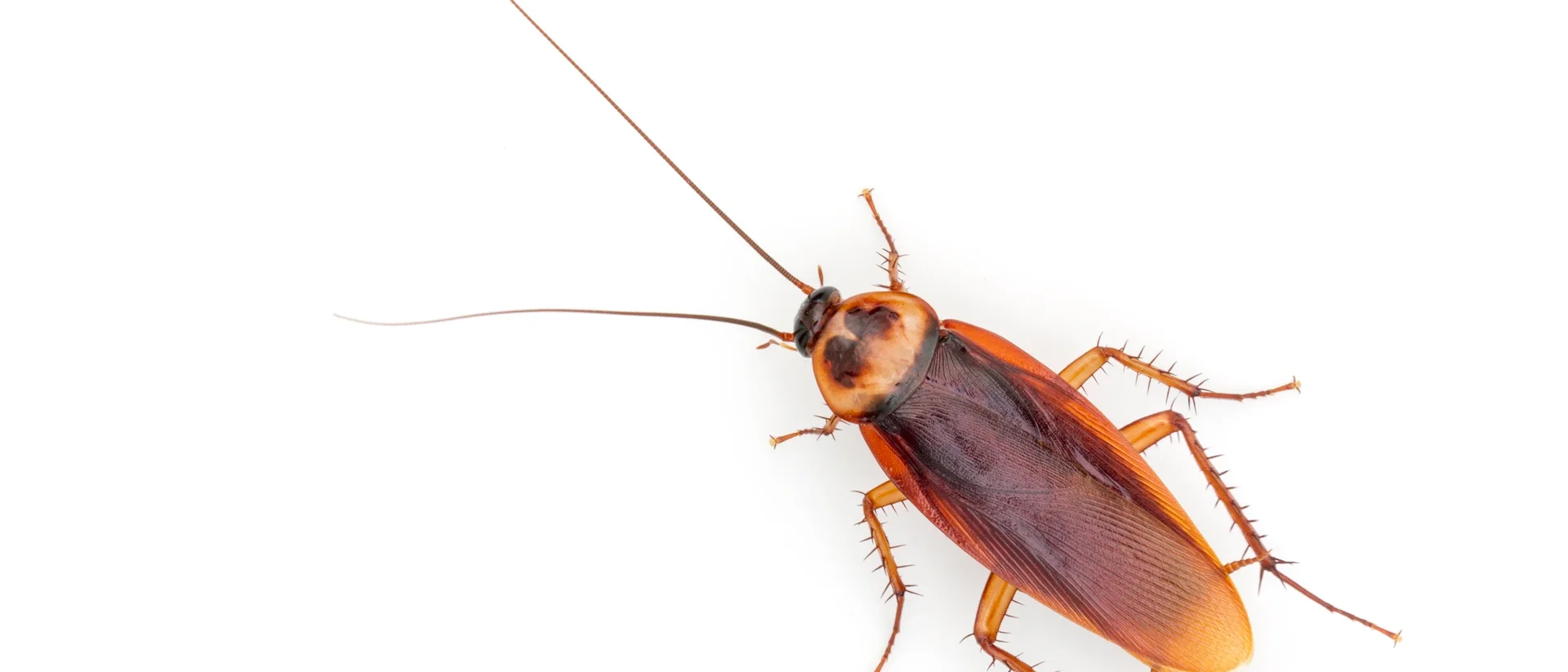
Cockroaches Can Survive 9 Days Without Their Heads
If you needed another reason to be creeped out by cockroaches, here's a doozy: they can survive for nine days after decapitation. Some specimens have even lived for weeks. This isn't an old wives' tale—it's documented science that reveals just how alien these insects really are.
The secret lies in their radically different anatomy. Unlike humans, who die within minutes without oxygen to the brain, cockroaches don't need their heads to breathe.
How They Pull Off This Horror Show
Cockroaches breathe through spiracles—tiny valves dotted along their body segments that connect to a network of tubes called tracheae. These deliver oxygen directly to cells without needing lungs or a brain to coordinate the process. It's completely passive, like a house with windows instead of an HVAC system.
When decapitated, their necks seal off through simple clotting. Their open circulatory system (more like a fluid-filled body cavity than distinct blood vessels) means no dramatic blood loss. The head isn't calling the shots anyway—cockroach bodies have ganglia (mini-brains) scattered throughout that control basic functions like standing, reacting to touch, and even running.
What Actually Kills Them
Headless roaches don't die from the injury itself. They eventually succumb to dehydration and starvation because, well, they can't eat or drink without a mouth. Research from the University of Florida found American cockroaches survive up to 7 days headless, while Japanese scientists at Tohoku University observed German cockroaches lasting up to 2 weeks.
The timeline depends on factors like species, temperature, and the roach's pre-decapitation health. A well-fed cockroach can coast on stored nutrients longer than a hungry one.
The Head Has Its Own Survival Story
Plot twist: the severed head can also survive for hours. Given the right conditions (cool temperature, some nutrients), a cockroach head will keep its antennae moving for several hours after separation. Scientists have kept heads alive even longer by feeding them nutrients and chilling them to slow metabolism.
Why Evolution Made Them This Resilient
This extreme hardiness isn't specifically for surviving decapitation—it's a byproduct of their decentralized nervous system and efficient design. Cockroaches have survived virtually unchanged for over 300 million years by being absurdly difficult to kill. They can:
- Hold their breath for 40 minutes
- Survive being submerged underwater for 30 minutes
- Withstand radiation levels far beyond what kills humans
- Live for a month without food
- Go a week without water
That's the evolutionary payoff of having a body that doesn't rely on centralized control. Lose your head? The body keeps the lights on for over a week. It's nightmare fuel, sure, but you have to respect the engineering.
Frequently Asked Questions
How long can a cockroach live without its head?
Why can cockroaches survive without a head?
Do headless cockroaches feel pain?
Can a cockroach head survive on its own?
What kills a headless cockroach?
Verified Fact
This fact has been reviewed and verified against original sources.
Source: View sourceShow verification details
The fact is accurate. Scientific research confirms cockroaches can survive 9 days to several weeks without their heads.