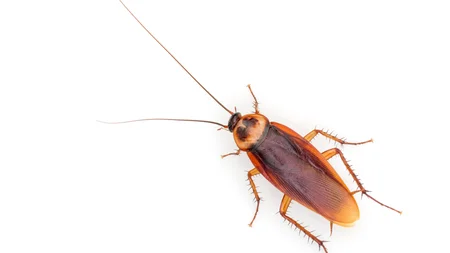
The average housefly lives for about 15 to 30 days.
The Surprisingly Short (But Busy) Life of a Housefly
When you spot a housefly buzzing around your kitchen, you might assume its days are numbered – and you'd be right! While the popular notion of a mere two-week existence is close, the truth is a bit more nuanced. On average, a common housefly, known scientifically as Musca domestica, will live for about 15 to 30 days.
This seemingly short window of time is packed with activity, as these insects play a surprising role in various ecosystems, often far beyond our immediate perception.
Factors That Shape a Fly's Fate
A housefly's lifespan isn't a fixed calendar date; it's heavily influenced by its environment. Several key factors determine if a fly makes it to the full month or succumbs much sooner:
- Temperature: Warmer temperatures generally accelerate a fly's metabolism and development, often leading to a slightly shorter adult life if conditions are too hot. Conversely, moderate warmth can be ideal for survival.
- Food Availability: Access to decaying organic matter, sugary substances, and other food sources is crucial for energy and survival. A well-fed fly is a longer-lived fly.
- Moisture: Flies need water to survive. Dry conditions can quickly lead to dehydration and a premature end.
- Predators: Spiders, birds, amphibians, and even other insects consider flies a tasty meal. Avoiding these natural enemies is a daily challenge.
- Sanitation: Environments with poor sanitation provide abundant breeding grounds and food, but also expose flies to more pathogens and dangers.
In optimal laboratory conditions, with consistent food and temperature, some houseflies have been observed to live even longer than a month, showcasing their underlying biological resilience.
The Speedy Life Cycle
The adult stage, though short, is only one part of the housefly's rapid life cycle. From egg to adult, the entire process can take anywhere from 7 to 50 days, depending on conditions.
A female housefly is incredibly prolific, capable of laying multiple batches of eggs throughout her adult life. Each batch can contain anywhere from 75 to 150 eggs, often deposited in decaying organic matter like garbage, compost, or animal waste. These eggs hatch into larvae (maggots), which feed voraciously and grow quickly.
After several molts, the larvae transform into pupae, a resting stage similar to a butterfly's chrysalis. Finally, the adult fly emerges, ready to mate and continue the cycle. This quick turnaround is why fly populations can seem to explode in favorable conditions.
More Than Just a Nuisance
While often seen as pests, houseflies are also decomposers, helping to break down organic material and recycle nutrients in the environment. Their short, busy lives are a testament to nature's efficiency, ensuring their species' survival through rapid reproduction and adaptability, even if their individual existence is fleeting.
Frequently Asked Questions
How long do houseflies typically live?
What affects a housefly's lifespan?
Is it true that houseflies only live for 24 hours?
How many eggs can a female housefly lay?
What is the full life cycle of a housefly?
Verified Fact
This fact has been reviewed and verified against original sources.
Show verification details
Corrected lifespan from two weeks to 15-30 days based on web search.