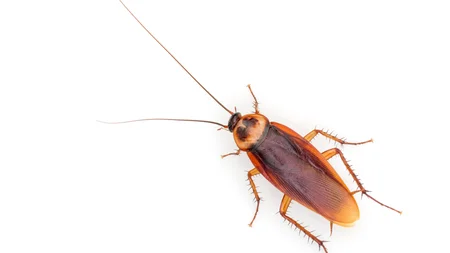
In Brazil, louse cockroaches (Nocticola species) have been documented crawling on sleeping children's faces to feed on secretions around their eyes and eyelashes.
The Tiny Cockroaches That Visit Sleeping Children
If you needed another reason to check under your bed before sleeping, here it is: tiny cockroaches that are attracted to the moisture around your eyes while you sleep.
In parts of Brazil, researchers have documented an unsettling phenomenon involving louse cockroaches—minuscule insects from the genus Nocticola that have developed a rather intimate relationship with sleeping humans.
What Are Louse Cockroaches?
Unlike their larger, more familiar cousins that raid your kitchen, louse cockroaches are remarkably small—often just a few millimeters long. They belong to a group of cockroaches that have evolved to live in close association with other animals, feeding on dead skin, secretions, and organic debris.
These tiny creatures are:
- Typically 3-5mm in length
- Pale or translucent in color
- Nocturnal and extremely shy
- Attracted to moisture and organic matter
Why Children's Faces?
The eye area is particularly attractive to these insects for several reasons. The secretions around our eyes—tears, oils from glands, and dead skin cells—provide a nutritious food source. Children, especially young ones, tend to sleep more deeply and move less, making them easier targets.
The cockroaches aren't actually eating eyelashes themselves. Instead, they're feeding on the sebaceous secretions and cellular debris that accumulate around the lash line. It's gross, certainly, but it's more about scavenging than active predation.
The Discovery
Entomologists studying household insects in Brazilian communities first noted these behaviors when parents reported finding tiny insects near their sleeping children's faces. Upon investigation, they identified the culprits as members of the Nocticola genus—a group of cockroaches previously known to associate with bats and birds in caves.
The transition to human hosts likely occurred as these cockroaches adapted to domestic environments, finding that sleeping humans offered similar conditions to their original cave-dwelling hosts: warmth, moisture, and organic matter.
Should You Be Worried?
While the mental image is deeply unpleasant, these encounters are relatively rare and typically harmless. The cockroaches don't bite, sting, or burrow. They're opportunistic feeders looking for an easy meal, not parasites.
That said, any insect crawling on your face isn't exactly hygienic. In some cases, the irritation from their tiny legs can cause:
- Minor eye irritation
- Allergic reactions in sensitive individuals
- Disturbed sleep if the sensation wakes the person
Good household hygiene and sealing entry points remain your best defense. These cockroaches thrive in humid environments with plenty of hiding spots, so reducing clutter and moisture helps keep them at bay.
A Wider Phenomenon
Louse cockroaches aren't unique to Brazil. Similar species have been documented worldwide, often associated with birds, bats, and occasionally humans. They represent a fascinating—if unsettling—example of how insects adapt to exploit new food sources.
So tonight, before you drift off to sleep, you might want to appreciate that most of us will never encounter these tiny nocturnal visitors. But somewhere in Brazil, a very small cockroach might be planning its midnight snack.
Frequently Asked Questions
Do cockroaches really eat eyelashes?
Are louse cockroaches dangerous to humans?
Why do cockroaches target sleeping children?
How big are louse cockroaches?
How can I prevent louse cockroaches in my home?
Verified Fact
This fact has been reviewed and verified against original sources.
Show verification details
Corrected species name and clarified behavior - these are louse cockroaches (Nocticola), not a single species, and they feed on skin secretions/debris including around eyelashes, not specifically targeting eyelashes.