
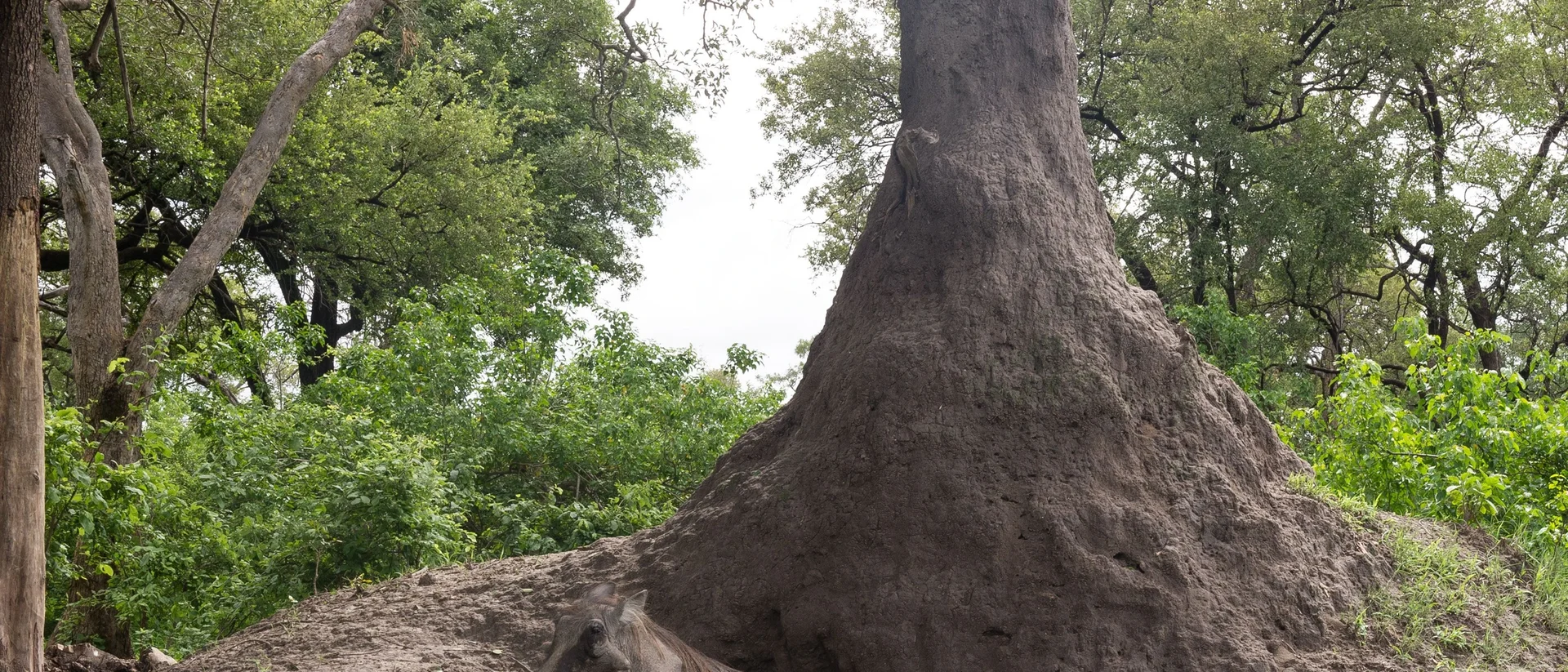
Termites produce an estimated 9-15 million tons of methane annually, making them one of nature's most significant greenhouse gas producers despite their tiny size.
Termites Produce Millions of Tons of Methane Each Year
When you think of methane emissions, cows probably come to mind. But there's a much smaller creature quietly contributing millions of tons of greenhouse gases to our atmosphere every year: the humble termite.
Globally, termites produce an estimated 9 to 15 million tons (teragrams) of methane annually. That's roughly 4% of all natural methane emissions on Earth, excluding wetlands. To put that in perspective, there are about one termite for every human on the planet, and collectively they're outgassing enough methane to rival some industrial sources.
The Gut Reaction
So how do these tiny insects produce so much gas? The secret lies in their digestive system. Termites feast on wood and plant material, which is notoriously difficult to digest. To break down cellulose, they rely on specialized bacteria and microorganisms living in their guts. These microscopic helpers ferment the wood fibers, producing methane as a waste product.
Every termite is essentially a miniature methane factory, releasing gas through both ends. While the amount produced by a single termite is infinitesimal, there are an estimated one quadrillion termites on Earth. That's 1,000,000,000,000,000 little gas producers working around the clock.
Nature's Mitigation System
Here's where it gets interesting: termites don't actually release all the methane they produce. Recent research has discovered that termite mounds act as natural filters, with bacteria living in the mound structure consuming 20 to 80% of the methane before it reaches the atmosphere.
The mounds aren't just homes—they're sophisticated biofilters. As methane rises through the porous structure, methanotrophic bacteria oxidize it, converting it into less potent greenhouse gases. Without this natural mitigation, termite emissions could be two to five times higher.
Climate's Tiny Time Bomb
Climate scientists are keeping a close eye on termite populations because their numbers are expected to grow. Projections suggest termite methane emissions could increase by 0.5 to 5.9 million tons by 2100, driven by:
- Rising global temperatures favoring termite reproduction
- Deforestation creating more dead wood food sources
- Land-use changes expanding termite habitats
While cattle remain the heavyweight champions of animal methane production (nearly 30% of global methane comes from livestock), termites remind us that some of nature's smallest creatures can have an outsized impact on our planet's atmosphere.
The next time you see a termite mound, remember: you're looking at both a methane source and a natural air purification system, courtesy of millions of years of evolution.
Frequently Asked Questions
How much methane do termites produce globally?
Why do termites produce methane?
Do termite mounds reduce methane emissions?
Are termites a bigger source of methane than cows?
Will termite methane emissions increase with climate change?
Verified Fact
This fact has been reviewed and verified against original sources.
Source: View sourceShow verification details
Corrected: Cattle are the largest animal methane producers. Reframed to highlight termites as surprisingly significant insect methane producers.