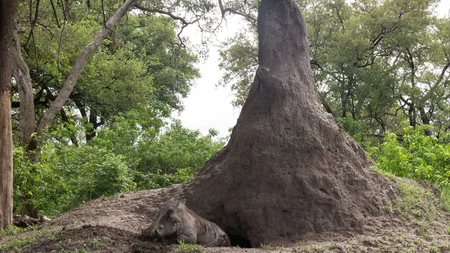
Termites work 24 hours a day, 7 days a week, 365 days a year. Unlike most insects, termite colonies never stop working—they operate in continuous shifts around the clock.
Termites Never Take a Day Off—They Work 24/7/365
While you're sleeping, termites are working. While you're on vacation, they're working. On Christmas morning, your birthday, during a hurricane—termites are always working.
Termite colonies operate like a factory that never shuts down. There are no holidays, no weekends, no night shifts where things slow down. The colony functions continuously, with different groups of termites rotating through tasks in an endless cycle of activity.
How Do They Keep Going?
Individual termites do take brief rest periods—short breaks lasting just minutes at a time. But here's the key: they don't all rest at once. While some termites pause, others pick up the work. The colony itself never stops.
This shift-based system means:
- Construction on tunnels and mounds continues around the clock
- Foraging parties search for food at all hours
- The queen receives constant care and feeding
- Colony defense never has an "off" period
The Numbers Are Staggering
A mature termite colony can contain millions of individuals, all contributing to this non-stop operation. Some queens live for 25-50 years, meaning a single colony can operate continuously for decades.
This relentless work ethic is why termites are such effective—and destructive—builders. A colony can consume about one pound of wood per day. That might not sound like much until you realize they never take a break. Ever.
Why Evolution Favored the Workaholics
Termites evolved this behavior because stopping simply isn't an option. Their colonies require constant maintenance. Fungal gardens need tending. The queen needs feeding. Tunnels need repairing. Young termites need caring for.
In tropical environments where most termites live, there's no winter to force a slowdown. Predators don't take breaks, so neither can they. The colonies that worked hardest survived; the lazy ones didn't.
There's something almost admirable about their dedication—even if that dedication is currently being applied to your home's foundation. These tiny insects have built a society that operates with machine-like efficiency, running 24/7 for millions of years before humans invented the concept of a weekend.
Makes your nine-to-five feel pretty reasonable, doesn't it?
Frequently Asked Questions
Do termites ever sleep?
How long do termites work each day?
Why do termites never stop working?
How much wood can termites eat in a day?
How long can a termite colony survive?
Verified Fact
This fact has been reviewed and verified against original sources.
Show verification details
Corrected the sleep claim - termites do have brief rest periods, but the 24/7 work cycle is accurate. They work in shifts continuously.