
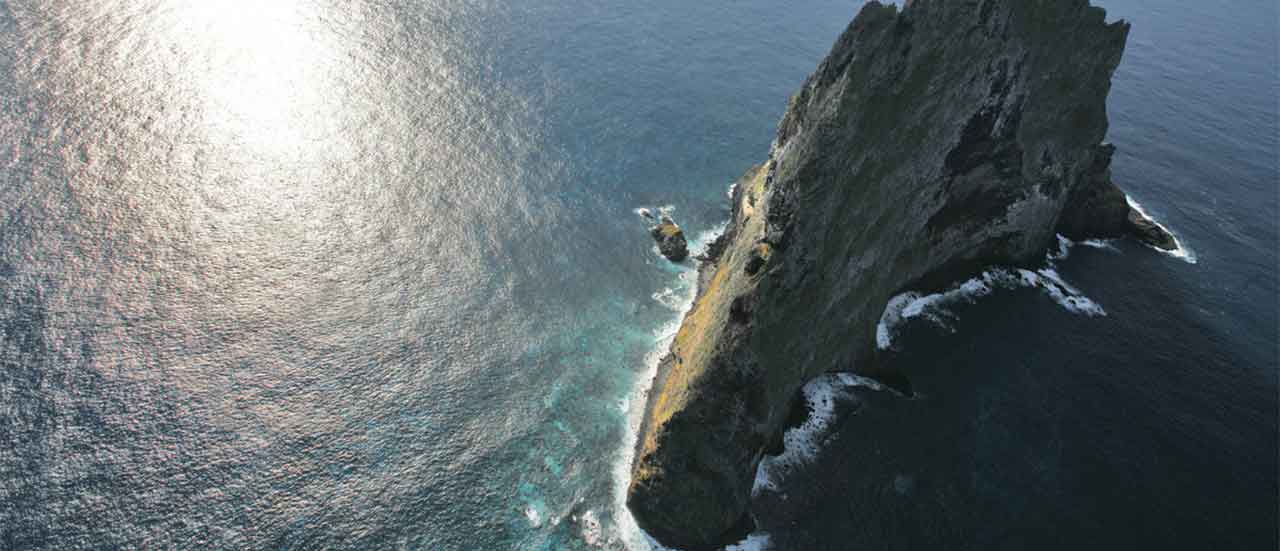
The Tree Lobster, once thought to be extinct, is an insect that can grow to the size of a human hand, and it can only be found on a small island of rock that is Ball's Pyramid, Australia.
The Tree Lobster: Hand-Sized Insect Back from Extinction
Imagine an insect the size of your hand, with a glossy black exoskeleton so robust it earned the nickname "tree lobster." Now imagine that insect coming back from the dead after 80 years of extinction. That's exactly what happened with Dryococelus australis, the Lord Howe Island stick insect.
This creature isn't just big for a bug—it's massive. Adult females can reach 20 centimeters (8 inches) in length and weigh 25 grams, making them one of the largest stick insects on Earth. Males are slightly smaller but no less impressive. With their sturdy legs and shiny carapace, they look less like insects and more like armored lobsters that forgot how to swim.
The Extinction That Wasn't
The tree lobster's story is a rollercoaster. These insects once thrived on Lord Howe Island, a small Australian territory in the Tasman Sea. They were so common that fishermen used them as bait. But in 1918, everything changed.
The supply ship SS Makambo ran aground on the island, accidentally unleashing black rats into this pristine ecosystem. Within two years, the rats had devoured nearly every tree lobster on the island. By 1920, the species was declared extinct.
For eight decades, the tree lobster existed only in museum specimens and fading memories. Then came the twist.
Ball's Pyramid: The Last Refuge
In 1964, climbers scaling Ball's Pyramid—a jagged, 562-meter-tall sea stack rising from the ocean 23 kilometers off Lord Howe Island—found a dead stick insect that looked suspiciously like a tree lobster. But it would take nearly 40 more years before anyone investigated seriously.
In 2001, Australian scientists David Priddel and Nicholas Carlile organized an expedition to the pyramid. What they found was miraculous: a tiny population of just 24 individuals clinging to existence beneath a single Melaleuca shrub, perched on a narrow ledge hundreds of meters above the crashing waves.
This was literally the only place on Earth where tree lobsters still existed in the wild. The world's rarest insect had been hiding in plain sight on one of the most inhospitable rocks in the ocean.
Back from the Brink
Scientists collected two breeding pairs (affectionately named Adam and Eve, Clyde and Bonnie) to start a captive breeding program. The program was a stunning success. By 2016, Melbourne Zoo had hatched over 13,000 eggs. Insurance populations were established at zoos in Bristol, San Diego, and Toronto.
Today, conservationists are working toward the ultimate goal: returning tree lobsters to Lord Howe Island. But first, they need to eradicate the rats—a massive undertaking that's currently in progress. If successful, this glossy black giant might once again crawl across its ancestral home.
The tree lobster's survival is a reminder that extinction isn't always forever, and that sometimes the rarest creatures on Earth are hiding in the most unlikely places, waiting to be rediscovered.
Frequently Asked Questions
How big do tree lobsters get?
Are tree lobsters really extinct?
Where is Ball's Pyramid?
Why did tree lobsters go extinct on Lord Howe Island?
Can you keep a tree lobster as a pet?
Verified Fact
This fact has been reviewed and verified against original sources.
Show verification details
Fact is accurate. The Lord Howe Island stick insect (Dryococelus australis), nicknamed the Tree Lobster, was thought extinct from 1920 until rediscovered on Ball's Pyramid in 2001.