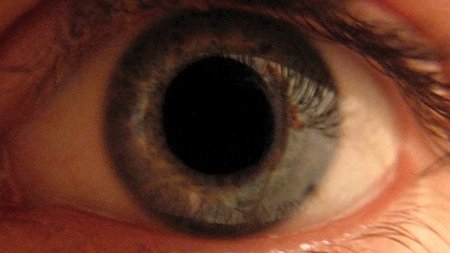
While newborns have tear glands from birth, they typically do not produce visible crying tears until they are approximately two weeks to three months old.
The Mystery of Baby Tears: When Do They Really Start Flowing?
It's a curious sight many new parents observe: a newborn baby wailing with all their might, yet no tears roll down their tiny cheeks. While it might seem perplexing, this tearless crying is perfectly normal and a fascinating aspect of infant development. The common understanding is that newborns don't cry tears, but the reality is a little more nuanced.
The Early Days: Tears for Lubrication, Not Emotion
From the moment they are born, babies possess tear glands, medically known as lacrimal glands. These glands are crucial for producing basal tears, which constantly lubricate and protect the eyes. These tears keep the eyes moist, wash away irritants, and provide essential nutrients to the cornea. So, while you won't see a flood of emotional tears, their eyes are never truly dry.
The distinction lies in the type and quantity of tears produced. Emotional tears, the kind that stream down faces during moments of sadness or pain, require a more developed tear production system. Newborns' lacrimal glands are simply not mature enough to produce the larger volume of watery tears associated with crying.
When the Floodgates Open: The Development Timeline
The journey from tearless wails to visible emotional tears is a gradual one. Most babies will begin to shed noticeable tears when crying sometime between two weeks and three months of age. There's a wide range of normal, and each baby develops at their own pace.
- Birth to 2 Weeks: Basal tears are produced to keep eyes moist and healthy. Crying during this period is typically loud and forceful, but without visible tear streaks.
- 2 Weeks to 1 Month: Some babies may start to show a few watery tears, especially during intense crying spells, as their tear ducts begin to mature further.
- 1 to 3 Months: By this stage, the majority of infants will have fully developed tear glands capable of producing copious emotional tears. You'll begin to see those classic tear-stained cheeks during their most fervent cries.
This developmental timeline ensures that the baby's body prioritizes essential functions first. The energy and resources needed to produce a large volume of tears are allocated elsewhere in the very early weeks, allowing for other vital systems to develop.
Beyond Tears: How Babies Communicate Before the Waterworks
Before visible tears become a reliable indicator of distress, babies employ a range of other powerful communication tools. Their cries themselves are highly effective signals, varying in pitch, intensity, and duration to convey different needs. A parent quickly learns to distinguish a hungry cry from a tired cry or a cry of discomfort.
Facial expressions also play a significant role. Even without tears, a baby's scrunched-up face, trembling lip, or wide-open mouth can clearly indicate sadness or pain. Body language, such as flailing limbs or arching their back, further communicates their state to caregivers. The absence of tears in the earliest weeks doesn't mean a lack of emotion; it simply means their physical mechanism for expressing it through tears is still under construction.
The Wonder of Development
The delayed onset of visible crying tears is just one of many remarkable processes that occur during infancy. It highlights the incredible complexity and intelligent design of the human body, adapting and maturing as needed. So, the next time you see a tiny, tearless cry, remember the intricate biology at play, and appreciate the journey of development that will soon bring forth those tell-tale streams of emotion.
Frequently Asked Questions
Why don't newborns cry visible tears immediately?
When do babies typically start producing visible crying tears?
What is the primary function of tears in infants from birth?
Is it normal if my baby still isn't producing tears at three months?
How do babies communicate distress before they can cry visible tears?
Verified Fact
This fact has been reviewed and verified against original sources.
Show verification details
Rephrased to clarify that tear glands are present at birth but visible crying tears develop later.
Related Topics
More from Body & Health
View all Body & Health →