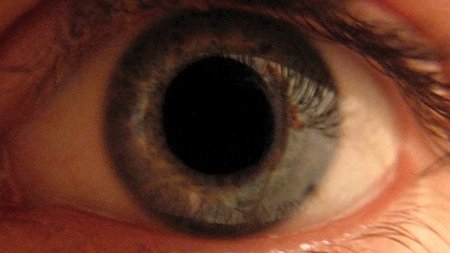
Blue eyes are the most sensitive to light, dark brown the least sensitive.
Why Blue Eyes Are More Sensitive to Light Than Brown
If you've got baby blues and find yourself squinting in bright sunlight while your brown-eyed friends walk around unfazed, there's a biological reason for that. Your eye color isn't just aesthetic—it's actually functional armor against light.
Melanin is the key player here. This pigment determines your eye color, and more importantly, it acts like built-in sunglasses. Brown eyes are packed with melanin in the iris, which absorbs incoming light before it scatters around inside your eyeball. Blue eyes? Not so much. With significantly less melanin in the front layer of the iris, they let more light pass through, leading to increased light sensitivity, or photophobia in medical terms.
The Science Behind the Squint
A 2015 review published in Photochemistry and Photobiology examined the research and confirmed that blue eyes are indeed more sensitive to light. The study found that lighter eyes have lower levels of macular pigment in the retina, which means less natural filtration of harsh light.
But here's where it gets interesting: the difference isn't always dramatic. While the science supports the general principle, many factors beyond eye color contribute to light sensitivity. Some blue-eyed people have no issues with brightness, while some brown-eyed individuals experience significant photophobia. Individual melanin concentration varies even among people with the same general eye color—lighter shades of blue with minimal melanin might be more sensitive than darker blue eyes.
An Evolutionary Trade-Off
So why did blue eyes evolve if they're more vulnerable to bright light? It turns out there's a fascinating upside: blue-eyed people may have an advantage in low-light conditions. Their retinas receive more light to begin with, which can be beneficial in environments with less sunlight. Research even suggests that brown-eyed people are more prone to winter depression than blue-eyed individuals, possibly because blue eyes transmit more light during darker months.
Blue eyes first appeared in humans around 6,000-10,000 years ago in the region around the Black Sea, where winters are long and sunlight is scarce for much of the year. In those conditions, having eyes that let in more light could have been genuinely advantageous.
What This Means for You
If you have light-colored eyes, you're not imagining the discomfort in bright conditions. Your eyes are literally letting in more light than your brown-eyed counterparts. Here's what you should know:
- UV protection is crucial: With less melanin to absorb harmful UV radiation, blue eyes face greater risk of sun damage over time
- Invest in good sunglasses: Look for UV400 or 100% UV protection—your eyes need that external barrier that brown eyes get naturally
- Photophobia isn't just discomfort: Chronic light sensitivity can lead to headaches, eye strain, and fatigue
- Indoor lighting matters too: Some blue-eyed people find fluorescent lights or bright screens more bothersome
Dark brown eyes, sitting at the opposite end of the spectrum, have maximum melanin and therefore maximum natural protection. They're the least sensitive to light, functioning like permanent, built-in sunglasses.
So next time someone with brown eyes tells you to "just deal with it" when you're squinting in the sun, you can explain that your eyeballs are literally different. Science has your back.
Frequently Asked Questions
Why are blue eyes more sensitive to light than brown eyes?
Do people with blue eyes need sunglasses more than brown-eyed people?
What is photophobia and how does it relate to eye color?
Are there any advantages to having blue eyes?
What eye color is least sensitive to light?
Verified Fact
This fact has been reviewed and verified against original sources.
Show verification details
Scientific research confirms that blue eyes are more sensitive to light than brown eyes due to lower melanin levels in the iris.
Related Topics
More from Body & Health
View all Body & Health →