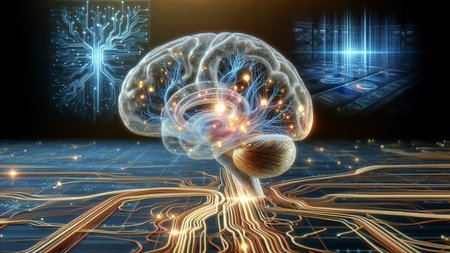
When you kiss someone for the first time, you get a spike in the neurotransmitter dopamine, making you crave more.
Your First Kiss Triggers a Dopamine Rush in Your Brain
That electric feeling from your first kiss? It's not just butterflies—it's your brain literally getting high. When your lips meet someone else's for the first time, your brain releases a surge of dopamine, the same neurotransmitter that spikes when people use cocaine or heroin. This chemical rush hits your brain's pleasure and reward centers, creating an intense craving for more.
Think of dopamine as your brain's "do that again" signal. It's the neurochemical behind motivation, pleasure, and yes, addiction. During a kiss, especially a first kiss charged with anticipation and novelty, dopamine floods your prefrontal cortex—the part of your brain that processes reward. The result? You feel euphoric, obsessed, and desperately want to repeat the experience.
Your Brain on Kissing
But dopamine doesn't work alone. Kissing triggers a whole chemical cocktail in your brain:
- Oxytocin (the "love hormone") creates feelings of bonding and attachment—the same chemical released during childbirth
- Serotonin stabilizes your mood and deepens emotional connection
- Endorphins flood your system right after the dopamine spike, amplifying the pleasure
- Cortisol drops, making you feel relaxed and less stressed
This neurochemical symphony is why people often describe first kisses as unforgettable. Dopamine doesn't just create pleasure—it cements memories, especially emotional ones. Your brain basically tags the experience as "extremely important" and stores it in vivid detail.
The Addiction Factor
Here's where it gets wild: the dopamine spike from kissing activates the same brain regions as addictive drugs. That's not hyperbole—neuroscience research shows the same neural pathways light up. This is why new relationships can feel all-consuming. You're not just falling in love; your brain is literally experiencing a form of addiction to that dopamine hit.
The anticipation makes it even stronger. Before the kiss happens, dopamine surges in expectation of the reward. After the kiss, opioids flood your reward center, creating layers of pleasure on top of pleasure. Your brain learns: "This person = dopamine = good. Get more."
Recent neuroscience research from 2025 reveals that these dopamine bursts serve as powerful learning signals. They help your brain assign value and meaning to the experience, literally rewiring your neural pathways around this person. It's why you can't stop thinking about them after that first kiss—your brain has been chemically altered to crave their presence.
So next time someone says they're "addicted" to kissing their partner, they're more scientifically accurate than they realize. Your brain treats a good kiss like a hit of the world's best drug—because neurologically, that's exactly what it is.
Frequently Asked Questions
What chemical is released when you kiss someone?
Why does a first kiss feel so intense?
Is kissing actually addictive?
Does kissing release the same chemicals as drugs?
Why do you remember your first kiss so vividly?
Verified Fact
This fact has been reviewed and verified against original sources.
Related Topics
More from Body & Health
View all Body & Health →