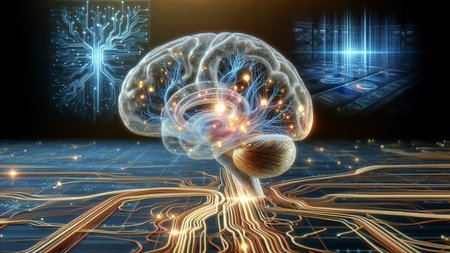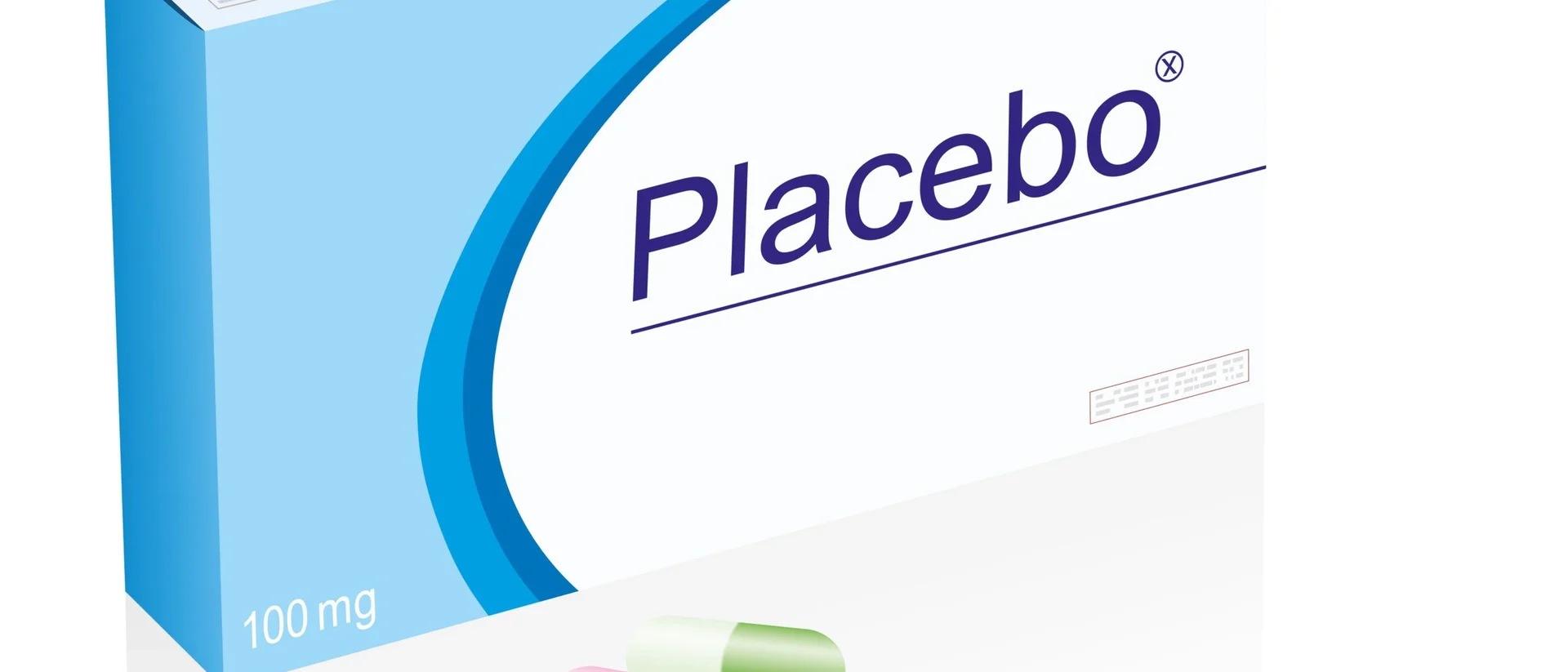
In open-label placebo trials, patients told plainly they were taking sugar pills still reported real symptom relief for conditions like IBS, back pain and migraine.
Sugar Pills Still Work Even When You Know They're Fake
A sugar pill that does nothing - that is the definition of a placebo. Now imagine a doctor hands you the bottle, looks you in the eye, and says: "These contain no medicine. But research shows they can help." You would expect that to kill the effect immediately. It does not.
The Study That Changed the Question
In 2010, a team at Harvard Medical School led by researcher Ted Kaptchuk ran a three-week trial on 80 patients with irritable bowel syndrome. Half were given no extra treatment. The other half received a bottle labeled "Placebo Pills - made of inert ingredients" and a two-minute explanation of how placebos work. No one was deceived. Everyone in the placebo group knew exactly what was in the bottle.
At the end of three weeks, 59% of the placebo group reported adequate relief from their IBS symptoms. Only 35% of the untreated group said the same. The gap matched the relief seen in trials for leading IBS drugs at the time. The study was published in PLOS ONE and sparked a wave of follow-up research.
The Back-Pain Follow-Up
Six years later, the same Harvard group tested the same idea on chronic back pain. They enrolled 83 adults who had suffered lower back pain for at least three months. One group continued their usual care - physical therapy and anti-inflammatory drugs. The other group continued their usual care and also received a clearly labeled placebo capsule to take twice a day.
After three weeks, the placebo group reported 30% less pain and 29% less disability compared with their starting baseline. The researchers described the result as clinically significant - the threshold typically used in pain medicine to mark a meaningful difference for the patient. The study appeared in the journal PAIN in 2016.
What Is the Brain Actually Doing?
Placebos do not cure disease. But they do change how the brain processes pain signals. The leading explanation is that the ritual of taking a pill - swallowing a capsule, following a schedule, seeing a caring provider - activates brain circuits that release natural pain-relieving chemicals. Endorphins and dopamine are both involved. A 2024 clinical trial added neuroimaging data showing that the open-label placebo reduced activity in the somatomotor cortex and increased activity in the prefrontal cortex, engaging descending pain-regulation pathways.
A second mechanism is classical conditioning. If you have taken real medicine before and felt better, your body has learned to begin that process when you swallow a capsule - even a fake one. The shape, the color, the glass of water you take it with: all of it is a cue the nervous system recognizes and responds to.
How Far Does the Effect Go?
IBS and chronic back pain are not the only conditions where open-label placebos have shown results. Researchers have since run trials for cancer-related fatigue, ADHD symptoms in children, and chronic musculoskeletal pain. A 2025 meta-analysis in Scientific Reports pooled multiple studies and found small to moderate benefits across chronic pain conditions.
The effect is not infinite - it tends to be smaller than an active drug and works better for symptom-based conditions (pain, fatigue, nausea) than for diseases with a clear biological marker. But for a pill containing nothing at all, the numbers are hard to dismiss.
What This Means for Medicine
Prescribing a placebo openly was once considered pointless. The entire logic of the placebo effect assumed the patient had to believe they were getting real medicine. These trials show that belief is not the engine - the brain's response to the healing ritual is. Researchers are now asking whether open-label placebos could be used alongside standard care to reduce drug doses, cut side effects, or help patients with conditions that have no good pharmacological answer. The honest sugar pill may turn out to have a real role in medicine after all.
Frequently Asked Questions
What is an open-label placebo?
How well do open-label placebos work for IBS?
Do open-label placebos work for back pain?
Why do placebos work even when patients know they are fake?
Could doctors ever prescribe placebos openly?
Verified Fact
Verified Jun 15, 2026 · 4 sources checked
Source: View sourceShow verification details
Claims checked
- IBS patients reported real symptom relief (59% vs 35%)
- Back-pain relief was 30% from patients' own baseline, not a between-group difference
- Brain region corrected to somatomotor cortex (was "motor-pain cortex")
- Placebo effects are small to moderate, not consistent and meaningful
Sources: PLOS ONE, PAIN, JAMA Network Open, Scientific Reports
Related Topics
More from Body & Health
View all Body & Health →