Teenage 'laziness' is largely explained by biology: adolescent brains undergo major rewiring while their circadian rhythms shift up to 2 hours later, making early mornings genuinely harder for teens than adults.
Why Teenagers Aren't Actually Lazy—It's Biology
Every parent knows the frustration: it's noon on a Saturday, and their teenager is still in bed. But before you bang on that bedroom door, consider this—science is firmly on their side.
The Great Brain Renovation
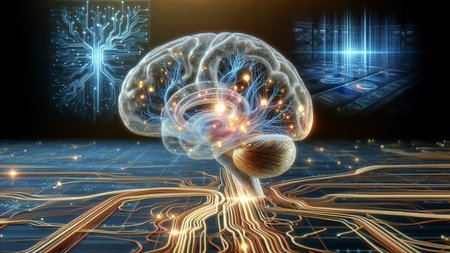
Between ages 12 and 25, the human brain undergoes its most dramatic transformation since infancy. Neurons are pruned, connections are strengthened, and the prefrontal cortex—responsible for planning, decision-making, and impulse control—is essentially under construction.
This massive neural renovation requires enormous amounts of energy and, crucially, sleep. The teenage brain isn't being lazy; it's doing some of the most important work it will ever do.
When Biology Fights the Alarm Clock
Here's where it gets interesting. During puberty, the circadian rhythm—our internal body clock—shifts dramatically. Melatonin, the hormone that makes us sleepy, starts releasing up to two hours later in teenagers than in children or adults.
This isn't a choice. It's not bad habits or too much screen time (though those don't help). It's a fundamental biological shift that makes:
- Falling asleep before 11 PM genuinely difficult
- Waking at 6 AM feel like 4 AM would to an adult
- Morning alertness nearly impossible to achieve
Researchers call this "sleep phase delay," and it affects virtually every adolescent on the planet.
Schools Are Fighting Biology
The American Academy of Pediatrics has recommended that middle and high schools start no earlier than 8:30 AM. The reason? When California pushed back school start times in 2022, studies showed improvements in attendance, graduation rates, and even car accident statistics among teen drivers.
Yet most American high schools still start before 8 AM, forcing teenagers to learn calculus when their brains are essentially still asleep.
It's Not Just About Sleep
The "lazy teenager" stereotype also ignores that adolescents are processing unprecedented amounts of social, emotional, and academic information. Their brains are literally rewiring how they respond to social cues, manage emotions, and think about the future.
What looks like laziness is often exhaustion from cognitive work that's invisible to adults.
So the next time you're tempted to lecture a teenager about their sleeping habits, remember: their biology is running on a completely different schedule than yours. They're not being difficult—they're being teenagers, and their brains are doing exactly what millions of years of evolution designed them to do.
Frequently Asked Questions
Why do teenagers sleep so much?
Is teenage laziness real or biological?
Why can't teenagers wake up early?
What time should high school start according to science?
At what age does the teenage sleep shift end?
Verified Fact
This fact has been reviewed and verified against original sources.
Show verification details
Refined to be more specific about the science - it's about brain development and circadian rhythm shifts, not just 'laziness' being natural