📝Updated for accuracy
Some details in this fact have been corrected based on our review of primary sources.
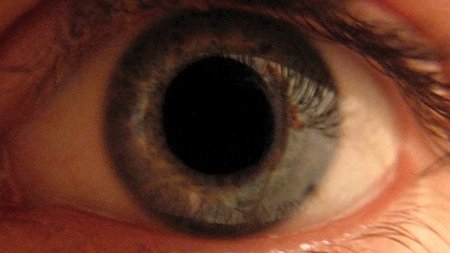
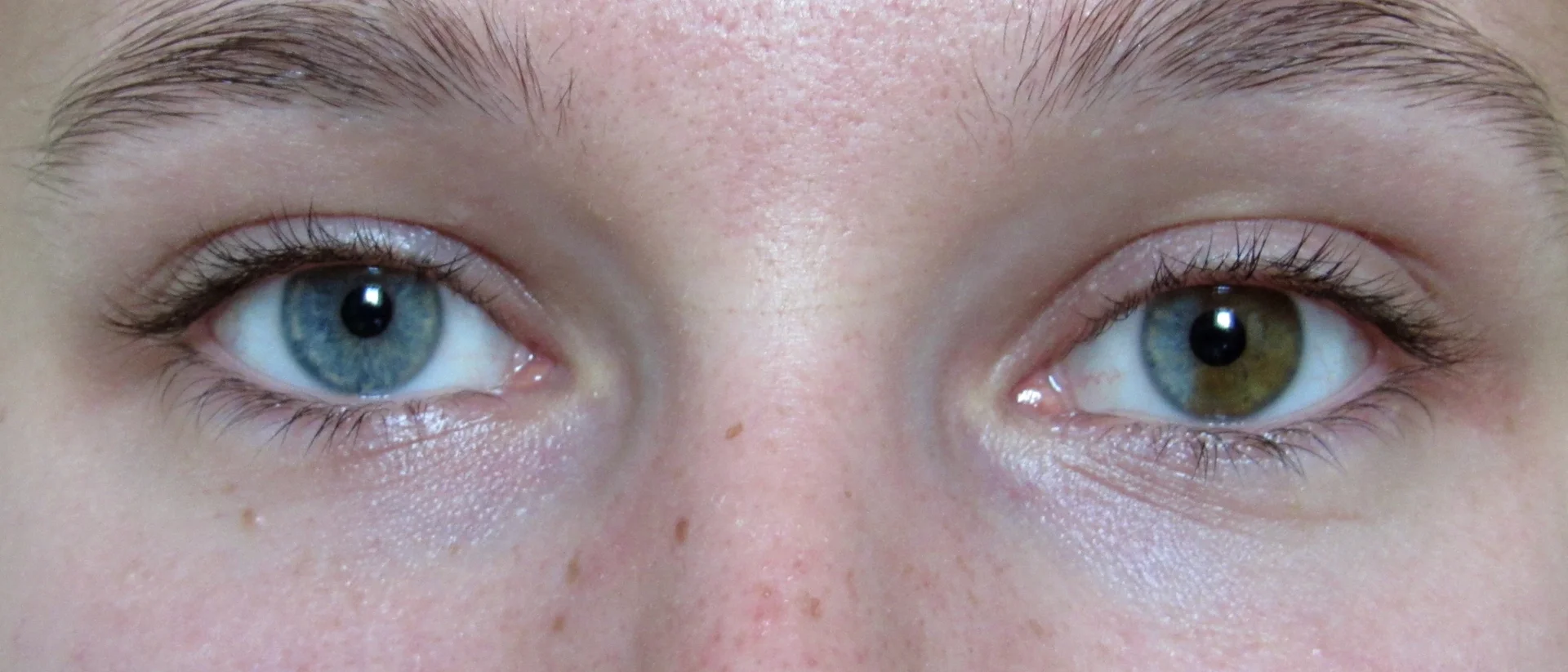
Sectoral heterochromia is an eye condition where one part of the iris appears different to the rest. It's generally a result of excessive pigment.
Sectoral Heterochromia: When Your Eyes Tell Two Stories
Look closely at someone's eye, and you might notice something unusual: a slice of their iris displaying a completely different color than the rest. This isn't a trick of the light or a contact lens - it's sectoral heterochromia, a fascinating quirk of human biology.
Unlike complete heterochromia (where each eye is a different color), sectoral heterochromia creates a pie-slice or wedge of contrasting color within a single iris. You might see a brown eye with a blue segment, or a green eye with a patch of amber.
The Pigment Story
The color variations come down to melanin - the same pigment that determines your skin and hair color. During development, melanocytes (pigment-producing cells) distribute melanin throughout the iris. In sectoral heterochromia, one section receives more or less melanin than its neighbors.
Think of it like an uneven paint job, except it happens naturally during eye development in the womb. The result is permanent and typically harmless.
What Causes the Split?
Most cases are simply genetic quirks - random variations in how pigment cells behave during fetal development. But sectoral heterochromia can also result from:
- Trauma or injury to the eye, which can affect melanin distribution
- Inflammation conditions like iridocyclitis
- Waardenburg syndrome, a genetic condition affecting pigmentation
- Horner's syndrome, which can cause the affected eye to remain lighter
If sectoral heterochromia appears suddenly rather than being present from birth, it warrants a medical examination to rule out underlying conditions.
More Common Than You Think
While striking to notice, sectoral heterochromia affects less than 1% of the population. Central heterochromia - where the inner ring of the iris differs from the outer ring - often goes unnoticed since the ring can blend into the surrounding eye color.
Certain eye colors show sectoral variations more dramatically. Blue and green eyes make contrasting sections more obvious, while brown eyes might hide subtle variations unless viewed in bright light.
The Celebrity Factor
Several well-known figures have visible sectoral heterochromia, including actors Kate Bosworth (though hers is technically complete heterochromia with sectoral elements) and Henry Cavill, who has a brown fleck in one of his blue eyes. These variations often become signature features that make faces more memorable.
Beyond humans, sectoral heterochromia appears frequently in dogs (especially Australian Shepherds and Huskies), cats, and horses. The genetic mechanisms are similar across species - melanin distribution during eye development follows comparable patterns in mammals.
Should You Worry?
If you've had your unique eye coloring since birth or early childhood, there's typically no cause for concern. The iris variation is simply part of your genetic makeup, like freckles or dimples.
However, seek an eye exam if you notice new color changes in adulthood, as this can occasionally signal glaucoma, iris melanoma, or other conditions requiring treatment. Sudden changes deserve professional evaluation, while lifelong patterns are usually just part of what makes you uniquely you.
Frequently Asked Questions
What is sectoral heterochromia?
What causes sectoral heterochromia?
Is sectoral heterochromia rare?
Is sectoral heterochromia harmful to your eyes?
Can sectoral heterochromia develop later in life?
Related Topics
More from Body & Health
View all Body & Health →