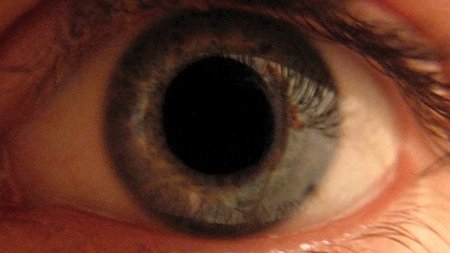
The pupil of the eye expands as much as 45 percent when a person looks at something pleasing.
Your Pupils Betray Your Desires
Your body has countless tells, but few are as revealing as your eyes. When you see something that catches your interest—a beautiful face, a mouthwatering meal, or even a fascinating idea—your pupils can expand by up to 45 percent without you even noticing.
You have zero control over it. It's happening right now as you read this, responding to every word that sparks your curiosity.
The Science Behind the Dilation
Pupil dilation is controlled by the autonomic nervous system, the same system that handles your heartbeat and breathing. When something triggers emotional arousal—positive or negative—your brain releases norepinephrine, which causes the iris muscles to relax and the pupil to widen.
This response evolved for practical reasons. Larger pupils let in more light, allowing you to gather more visual information about whatever has captured your attention. Your brain essentially says, "This is important—let's see more of it."
What Makes Pupils Pop
Researchers have identified several triggers for pupil dilation:
- Attraction: Studies consistently show pupils dilate when viewing photos of people we find attractive
- Mental effort: Solving a difficult problem causes noticeable dilation
- Emotional content: Both positive and negative emotional images trigger the response
- Interest and curiosity: Novel or surprising information causes expansion
The effect is so reliable that some researchers have used pupil measurements as a window into preferences people might not even consciously acknowledge.
A History of Eye-Reading
Humans have intuitively understood this connection for centuries. In Renaissance Italy, women used drops made from the belladonna plant to dilate their pupils, believing it made them more attractive. The plant's name literally means "beautiful woman" in Italian.
They were onto something. Modern studies confirm that people rate faces with dilated pupils as more attractive, even when they can't identify why. We're unconsciously reading signals of interest and attraction in others' eyes.
The Uncontrollable Tell
This is what makes pupil dilation so fascinating—it's nearly impossible to fake or suppress. Poker players wear sunglasses for good reason. Negotiators know to watch their opponents' eyes. Psychologists use pupillometry to study everything from cognitive load to sexual orientation.
Your pupils are constantly broadcasting information about your inner state to anyone paying attention. That moment of attraction across a crowded room? Your dilating pupils might be giving you away before you even smile.
The next time you're trying to hide your enthusiasm—or figure out if someone shares yours—remember: the eyes really don't lie. They can't.
Frequently Asked Questions
Why do pupils dilate when you see someone attractive?
How much do pupils dilate when interested in something?
Can you control your pupil dilation?
Why did Renaissance women use belladonna eye drops?
What causes pupils to get bigger?
Verified Fact
This fact has been reviewed and verified against original sources.
Show verification details
The 45% figure is commonly cited but the actual dilation can vary. Research shows pupils can dilate 20-45% in response to emotional stimuli, with arousal and interest being key factors. The fact is accurate within this range.