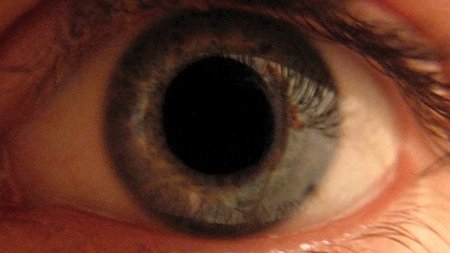
Those things you see floating in your eyes when you stare into space are called Mouches Volantes, French for 'flying flies,' though they're more commonly known as floaters.
Those Floaty Things in Your Eyes Have a Fancy French Name
You're staring at a clear blue sky, spacing out during a boring meeting, or just lying in bed contemplating existence when you notice them—tiny translucent shapes drifting lazily across your field of vision. You try to look directly at them, but they dart away like shy fish. Welcome to the world of Mouches Volantes.
The term is French for "flying flies," and honestly, it's a perfect description. These little floaters move around your visual field as if they have minds of their own, which makes the poetic French name feel surprisingly accurate.
What You're Actually Seeing
Here's where it gets weird: those floaters aren't on the surface of your eye. They're inside it.
Your eye contains a gel-like substance called the vitreous humor that fills the space between your lens and retina. Over time, tiny clumps of protein or cells form within this gel. When light enters your eye, these clumps cast shadows on your retina—and those shadows are the floaters you see.
So you're not actually seeing the floaters themselves. You're seeing their shadows. Your brain is essentially watching a tiny shadow puppet show it never asked for.
Why Can't You Look Directly at Them?
This is the frustrating part. When you try to focus on a floater, it moves. That's because the vitreous humor shifts slightly when you move your eyes. The floater drifts in the same direction you're looking, always staying just out of direct focus.
It's like trying to catch your own reflection's eye in a funhouse mirror—technically impossible and mildly maddening.
Everyone Has Them
If you've never noticed eye floaters, you probably just haven't looked for them against the right background. They're most visible against:
- Bright blue skies
- White walls or ceilings
- Blank computer screens
- Snow on a sunny day
Once you start noticing them, you might feel like they're everywhere. Don't worry—they were always there. Your brain is just exceptionally good at filtering out visual noise, so it usually ignores them completely.
When to Pay Attention
For most people, floaters are completely harmless. They become more common as you age because the vitreous humor naturally shrinks and becomes more liquid over time, creating more opportunities for those protein clumps to form.
However, a sudden increase in floaters—especially if accompanied by flashes of light or a shadow appearing in your peripheral vision—can indicate a retinal detachment. That's a medical emergency requiring immediate attention.
But the garden-variety floaters that drift across your vision occasionally? They're just tiny imperfections in your eye's gel, casting shadows and giving 19th-century French physicians a reason to coin an elegant name.
A Universal Human Experience
There's something oddly comforting about knowing that humans have been noticing these same strange visual phenomena for millennia. Ancient Roman physician Galen described them in the 2nd century. Medieval scholars puzzled over them. And today, you're still lying in bed watching them drift by, wondering what they are.
Now you know: they're Mouches Volantes, your personal collection of flying flies, and they've been with you your entire life.
Frequently Asked Questions
What are those floaty things in my eyes called?
Why do eye floaters move when I try to look at them?
Are eye floaters dangerous?
Why do I see more floaters against a blue sky?
Can you get rid of eye floaters?
Verified Fact
This fact has been reviewed and verified against original sources.
Show verification details
Corrected spelling from 'Mouches Voltanes' to 'Mouches Volantes' (French for 'flying flies')