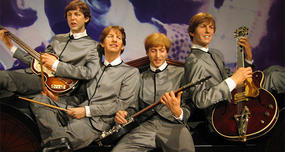
The Beatles wrote into their contracts for American concerts that they would not play in front of segregated audiences.
The Beatles' Stance Against Segregated Audiences
When The Beatles first touched down in America, they weren't just bringing a new sound; they were quietly pushing for social change. A powerful, yet often overlooked, aspect of their early U.S. tours was their unwavering commitment to not performing for segregated audiences.
This wasn't merely a principled stance taken after the fact; it was often written directly into their contracts. This contractual insistence sent a clear message during a pivotal time in the American Civil Rights Movement.
The Jacksonville Stand
One of the most famous instances occurred in 1964. The Beatles were scheduled to play a concert in Jacksonville, Florida. Upon learning that the audience would be racially segregated, the band immediately threatened to cancel the show.
Reports from the time quote John Lennon stating, "We never play to segregated audiences, and we aren't going to start now. I'd sooner lose our appearance money." This wasn't an empty threat; the band was prepared to walk away from a lucrative performance rather than compromise their beliefs.
Paul McCartney later reflected on their attitude: "We were always keen on mixed-race audiences. With that being our attitude, shared by all the group, we never wanted to play South Africa or any places where blacks would be separated. It wasn't out of any goody-goody thing. We just thought, 'Why should you separate black people from white? That's stupid, isn't it?'"
A Turning Point for Integrated Concerts
The promoters in Jacksonville ultimately capitulated to The Beatles' demands. The concert proceeded with an integrated audience, a significant victory for civil rights advocates and a testament to the band's influence.
Following this incident, The Beatles made it a standard practice. They began including a specific clause in their American concert contracts. This clause explicitly stated that they would not be required to perform before a segregated audience. This contractual requirement was maintained throughout their subsequent U.S. tours in 1965 and 1966.
More Than Just Music
The Beatles' actions went beyond mere celebrity endorsement; they actively used their professional leverage to challenge discriminatory practices. In an era where racial segregation was still legally enforced in many parts of the United States, their stance was a bold, public declaration against injustice.
Their refusal to perform for segregated crowds contributed to the broader cultural shift away from such policies. It showed that even international music stars could and should take a stand. This commitment remains a powerful example of artists using their platform to advocate for human dignity and equality.
Frequently Asked Questions
Did The Beatles always refuse to play for segregated audiences in the U.S.?
What specific event led to The Beatles adding anti-segregation clauses to their contracts?
How did The Beatles' stance impact the Civil Rights Movement?
Were other artists taking similar stances against segregation at the time?
Verified Fact
This fact has been reviewed and verified against original sources.