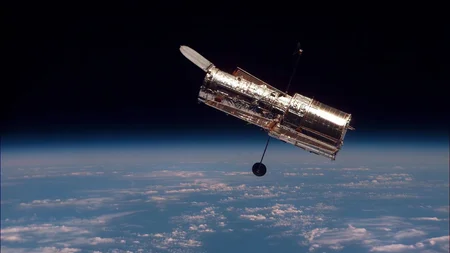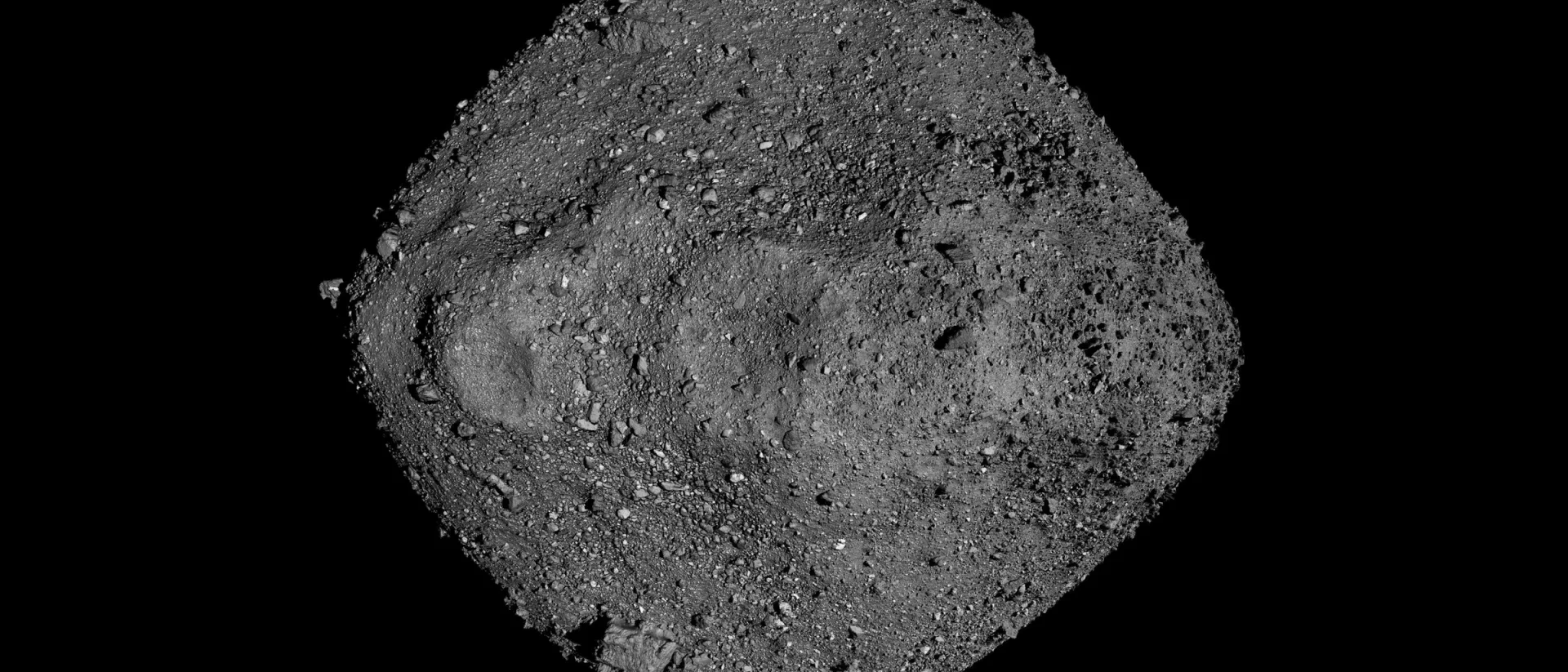
Brian May, lead guitarist of Queen, spent more than 30 years finishing his PhD in astrophysics - then NASA put him on the OSIRIS-REx team. He used his 3D imaging skills to pick the landing spot on asteroid Bennu. The probe touched down in 2020, grabbed a sample, and that piece of Bennu reached Earth in 2023.
The Queen Guitarist Who Helped NASA Grab a Piece of an Asteroid
Most people know Brian May as the curly-haired lead guitarist of Queen. Fewer people know he is a credentialed astrophysicist. And almost no one knows that he used those skills to help NASA land on an asteroid.
A PhD Put on Hold for 30 Years
May started his PhD in astrophysics at Imperial College London in the early 1970s. Then Queen took off. He put the research aside for more than 30 years, returning to defend his thesis in 2007. His specialty was interplanetary dust clouds, but the skill that ended up mattering most to NASA was something different: stereoscopic 3D imaging.
The Problem Nobody Expected
When NASA's OSIRIS-REx spacecraft arrived at asteroid Bennu in late 2018, the mission team got a nasty surprise. Pre-mission models had predicted a smooth, sandy surface - the kind of terrain the probe was designed for. Instead, they found a dense, chaotic boulder field. For nearly 22 months, scientists were not sure they could land safely at all.
May Steps In
NASA invited May and his collaborator Claudia Manzoni onto the OSIRIS-REx science team. Their job was to use 3D stereoscopic imaging to help mission planners read the terrain. May searched through image pairs taken from different orbital angles and processed them into 3D views. These gave mission planners a genuine feel for the surface - where a probe could safely touch down and where it could not.
"Stereo can give you such an instinctive feel for terrain that it can help you choose a landing site," May explained. His work helped the team settle on a crater called Nightingale - a relatively clear patch on an otherwise dangerous surface.
The Grab
On October 20, 2020, OSIRIS-REx performed its Touch-and-Go maneuver at Nightingale. The probe touched Bennu's surface for just six seconds, firing a burst of nitrogen gas to kick material into the collector. It worked so well the spacecraft collected more material than the container could easily seal. On September 24, 2023, the capsule parachuted into the Utah desert - the largest asteroid sample ever returned to Earth. May was rehearsing for a Queen tour at the time and sent a video message to the mission team instead, wishing he could be there in person.
The Rock Comes Home
After the sample arrived at NASA's Johnson Space Center, May and Manzoni applied their stereoscopic technique again - this time to images of the actual Bennu material inside the collector head, creating 3D views of rock 4.5 billion years old. They later published a book on the mission, Bennu 3-D: Anatomy of an Asteroid, with mission principal investigator Dante Lauretta.
Enjoyed this? Get a new fact every morning.
A fascinating fact in your inbox every morning. Free. Unsubscribe anytime.
Frequently Asked Questions
What is Brian May known for in science?
What did Brian May do for NASA on the OSIRIS-REx mission?
What is the OSIRIS-REx mission?
When did Brian May finish his PhD?
What is stereoscopic imaging and why did NASA need it?
Verified Fact
Verified Jun 8, 2026 · 8 sources checked
Source: National GeographicShow verification details
Claims checked
- Brian May used his astrophysics expertise to help NASA choose the OSIRIS-REx landing site on asteroid Bennu
- May's PhD took more than 30 years to finish
- May was invited to join the OSIRIS-REx science team
- Sample collected from Bennu reached Earth in 2023
- Asteroid material age corrected to 4.5 billion years (was 4.6 billion)
Sources: National Geographic, Space.com, Live Science, NASA, University of Arizona, brianmay.com
Related Topics
More from Entertainment
View all Entertainment →