
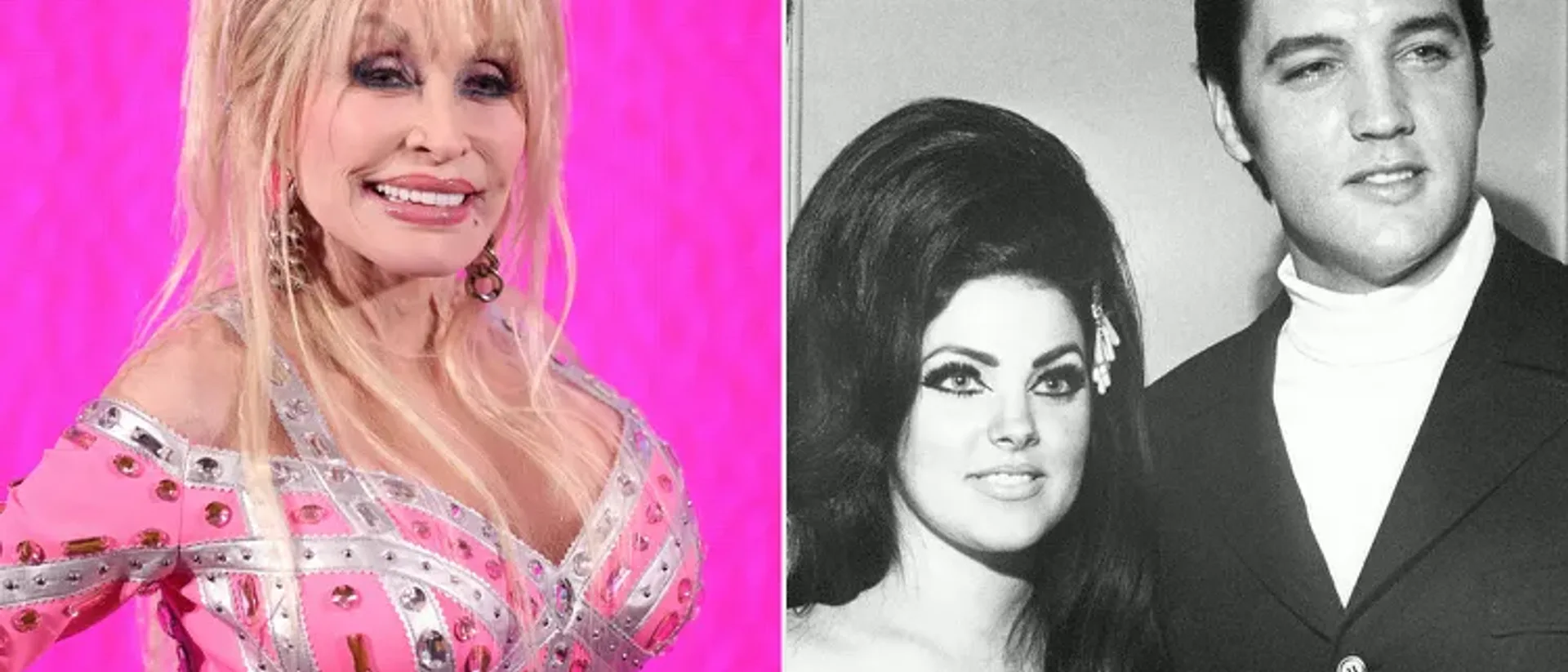
Elvis wanted to record "I Will Always Love You." His manager Colonel Tom Parker called Dolly Parton and said there was one condition - hand over 50% of the publishing rights. Dolly said no. Years later, Whitney Houston covered it for The Bodyguard. Dolly earned over $10 million from that single cover. She later joked she made enough money to buy Graceland.
Dolly Parton Turned Down Elvis to Keep Her Song
In 1973, Dolly Parton wrote "I Will Always Love You" as a farewell to her mentor and business partner Porter Wagoner. It became a hit. Then Elvis heard it.
The King wanted to record his own version. His manager, Colonel Tom Parker, called Parton with what he presented as a standard arrangement: Elvis would record the song, but Parton would have to sign over 50% of the publishing rights.
This was not unusual. Colonel Parker often demanded half the publishing on any song Elvis recorded for the first time. It was the price of having the biggest voice in music sing your song.
Dolly said no.
"I said, I can't do that," she later recalled. "That money goes in for stuff for my brothers and sisters and nieces and nephews, so I can't give up half the publishing. I wanted to hear Elvis sing it - and it broke my heart. I cried all night."
Elvis never recorded the song. Parton kept 100% of the publishing.
Nearly two decades later, Whitney Houston recorded "I Will Always Love You" for the soundtrack of The Bodyguard. Houston's version spent 14 weeks at number one and became the best-selling single by a female artist in history.
The royalties poured in. Forbes reported that Parton earned over 10 million dollars from Houston's cover in the 1990s alone. The song continues to generate income decades later.
When asked about the windfall, Parton delivered the perfect kicker: "I made enough money to buy Graceland."
She also put the Houston royalties to work. Parton invested in a strip mall in a predominantly Black neighbourhood in Nashville, saying she simply wanted to support the community where the music came from.
Dolly Parton turned down the King of Rock and Roll to protect a song she wrote for her family. Two decades later, that one refusal turned into one of the most profitable decisions in music history.
Enjoyed this? Get a new fact every morning.
A fascinating fact in your inbox every morning. Free. Unsubscribe anytime.
Frequently Asked Questions
Did Elvis really want to record I Will Always Love You?
Why did Dolly Parton say no to Elvis recording her song?
How much did Dolly Parton make from I Will Always Love You?
Who originally wrote I Will Always Love You?
Verified Fact
Verified Sep 11, 2026 · 5 sources checked
Source: NPR / American SongwriterShow verification details
Claims checked
- Elvis Presley wanted to record "I Will Always Love You" and his manager demanded half the publishing rights
- Dolly Parton refused and kept full publishing rights
- Whitney Houston covered the song for The Bodyguard in 1992, spending 14 weeks at number one
- Parton earned an estimated $10 million or more in royalties from Houston's cover
- Parton joked the royalties were enough to buy Graceland, and invested some in a Black neighbourhood in Nashville
Sources: Fox News, Fortune, The Hollywood Reporter, NPR, The Hustle