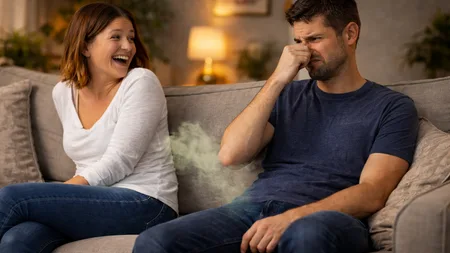
Pumbaa from "The Lion King" was the first character to fart in a Disney movie.
Pumbaa Made Disney History With a Fart
It took Disney 57 years to let a character pass gas on screen. From Snow White and the Seven Dwarfs in 1937 to The Lion King in 1994, not a single toot, pfft, or suspicious cloud appeared in any animated film. Then along came Pumbaa the warthog, and Disney animation was never quite the same.
The farting wasn't in the original script. It happened because voice actors Nathan Lane (Timon) and Ernie Sabella (Pumbaa) were goofing around during recording sessions. The two were simultaneously working on the 1992 Broadway revival of Guys and Dolls, and Sabella would make flatulent noises between takes to crack up Lane. The creative team loved it so much they wrote it into the character.
Perfect Comic Timing
What makes Pumbaa's flatulence particularly bold is when it appears in the film. The first fart scene happens shortly after Mufasa's death, one of the most traumatic moments in Disney history. Kids (and adults) were still processing that tragedy when Pumbaa cleared the air—literally—with some well-timed comic relief during the "Hakuna Matata" sequence.
This wasn't just bathroom humor for laughs. It served a narrative purpose: establishing Timon and Pumbaa's carefree philosophy as the antidote to Simba's grief. The contrast between Mufasa's dramatic death and Pumbaa's digestive issues perfectly encapsulated the film's central theme of moving from tragedy to joy.
A Warthog's Natural Behavior
Pumbaa's flatulence also happens to be scientifically accurate. Real warthogs are omnivores with diverse diets that include roots, berries, and occasional small animals. Their digestive systems produce significant amounts of gas, especially when consuming fibrous plant matter. Disney accidentally created educational content while going for laughs.
The character's self-consciousness about his gas adds another layer. Pumbaa repeatedly apologizes or warns others ("I'm a sensitive soul, though I seem thick-skinned"), turning a simple gag into a character trait that millions of viewers found endearing rather than gross.
Breaking the Taboo
Why did it take Disney nearly six decades to include flatulence? Animation standards were strict. Disney built its reputation on wholesome family entertainment, and bodily functions were considered too crude for the brand. The Lion King represented a shift toward edgier humor that could appeal to both children and adults.
Since Pumbaa broke the seal (so to speak), Disney has been more willing to include bathroom humor in subsequent films, though it remains relatively rare compared to other animation studios. Pumbaa didn't just make history—he gave Disney permission to occasionally let its characters be a little gross.
Frequently Asked Questions
Was Pumbaa really the first Disney character to fart?
Why did Disney add farting to The Lion King?
Do real warthogs fart a lot?
Who voices Pumbaa in The Lion King?
Has Disney had other farting characters since Pumbaa?
Verified Fact
This fact has been reviewed and verified against original sources.
Show verification details
Multiple sources confirm Pumbaa was indeed the first character to fart in a Disney movie.