
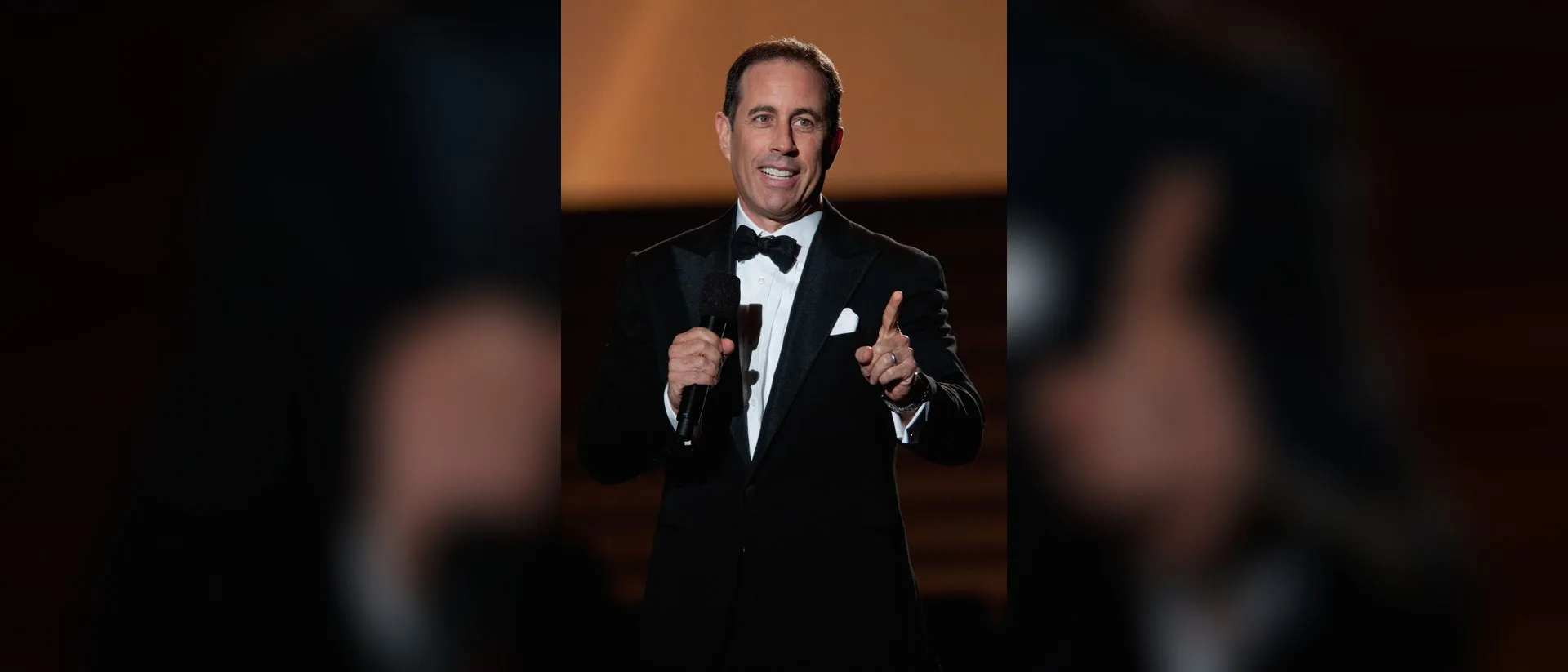
NBC offered Jerry Seinfeld $5 million per episode for a 10th season of Seinfeld — $110 million total. He turned it down because he wanted to "end on a high note." He then went back to performing stand-up comedy in small clubs.
The $110 Million "No"
In 1998, Seinfeld was the most-watched comedy on American television, averaging 38 million viewers per episode in its final season. NBC was desperate to keep it going. They offered Jerry Seinfeld an unprecedented $5 million per episode for a 22-episode tenth season - $110 million guaranteed.
Former NBC president Warren Littlefield later described it as "more money than has ever been offered before to a television star." The network had good reason to panic: Seinfeld generated roughly $200 million per year in advertising revenue for NBC. Losing it would blow a hole in their entire Thursday night lineup.
Jerry Said No
Seinfeld turned it down. He told the press he wanted to "go out on top" rather than let the show decline. When asked by The New York Times, he explained: "For me, this is all about timing. My life is all about timing. As a comedian, my sense of timing is everything."
NBC executives reportedly "went numb" when they heard the news. No performer in television history had walked away from that kind of money. The network even came back with higher offers, but Seinfeld wouldn't budge.
Back to Square One
After the show ended on May 14, 1998 - watched by 76 million viewers - Seinfeld didn't retire. He went back to what he'd been doing before the show made him famous: stand-up comedy. He performed in small clubs, working on new material from scratch, sometimes for audiences of a few dozen people. He'd gone from $5 million per episode to passing the hat at comedy clubs.
He later said: "I didn't need the money, and I wanted people to remember the show as great, not as the show that stayed too long."
The Long Game Paid Off
The show has since generated over $4 billion in syndication revenue. Hulu paid an estimated $130 million for streaming rights. Netflix later paid $500 million. Jerry's share from residuals, syndication, and streaming deals has dwarfed the $110 million he turned down - and the show's reputation remains untarnished by a weak final season that never happened.
Enjoyed this? Get a new fact every morning.
A fascinating fact in your inbox every morning. Free. Unsubscribe anytime.
Frequently Asked Questions
How much did NBC offer Jerry Seinfeld for season 10?
Why did Seinfeld turn down $110 million?
Verified Fact
This fact has been reviewed and verified against original sources.
Source: View sourceShow verification details
The $5 million per episode offer is confirmed by multiple sources including NBC executives and Jerry Seinfeld himself. The $110 million figure (22 episodes × $5M) is widely cited. Seinfeld has discussed the decision in numerous interviews.