
⚠️This fact has been debunked
Our fact-checkers found this claim to be inaccurate. See the article below for details.
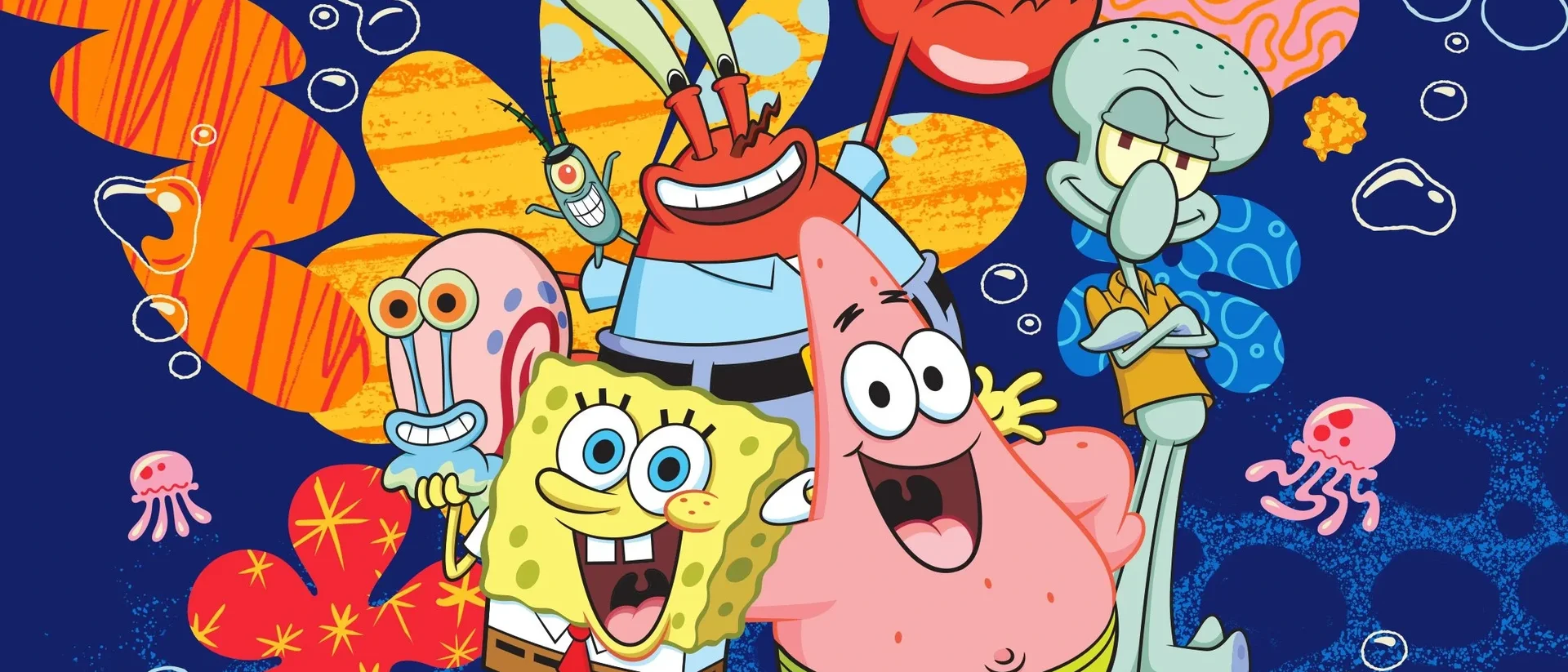
Each of the main characters in Spongebob Squarepants was inspired by one of the seven deadly sins.
The SpongeBob Seven Deadly Sins Theory Is Just a Myth
If you've spent any time in SpongeBob fan circles, you've probably heard this one: SpongeBob is lust, Patrick is sloth, Squidward is wrath, Mr. Krabs is greed, Plankton is envy, Sandy is pride, and Gary is gluttony. It's a neat theory that's been shared millions of times across the internet. There's just one problem: it's completely made up.
Creator Stephen Hillenburg never designed his characters around the seven deadly sins, and there's zero evidence he ever intended any religious allegory. Doug Lawrence, who writes for the show and voices Plankton, has directly addressed the theory—while characters might have distinct personality traits, pairing them with Biblical sins was entirely unintentional.
So Where Did SpongeBob Really Come From?
The real origin story is way cooler than a religious conspiracy theory. Hillenburg was a marine biology teacher at the Orange County Marine Institute before he became an animator. He created an educational comic called The Intertidal Zone to teach students about tide-pool creatures—and that comic featured a character named Bob the Sponge.
When Hillenburg pitched his show to Nickelodeon in the mid-'90s, he started by drawing realistic sea sponges. But then he sketched a kitchen sponge with arms and legs, and as he later recalled, "it looked so funny" that he knew his star character had been born. SpongeBob's square shape wasn't symbolic—it was just funnier than biology-accurate.
The Characters Were Based on Real Life
Hillenburg pulled from his own experiences for character inspiration:
- Mr. Krabs was modeled after a penny-pinching manager Hillenburg had at a seafood restaurant
- Pearl the whale came from his experience leading whale-watching tours as a marine educator
- SpongeBob's fry cook job was inspired by Hillenburg's teenage summers working at a Maine seafood joint
- SpongeBob's buck teeth and nerdy appearance were based on Hillenburg's own childhood photos
These aren't characters reverse-engineered from a list of sins. They're cartoon versions of real people and experiences, filtered through the mind of someone who genuinely loved the ocean and wanted to share that with kids.
Why the Theory Feels So Convincing
Here's the thing: any group of distinct personalities can be mapped onto the seven deadly sins if you try hard enough. The sins are broad archetypes—greed, anger, laziness, pride—that describe common human flaws. Of course a cheapskate crab seems like greed, and a lazy starfish seems like sloth. That doesn't mean it was intentional.
Hillenburg wasn't trying to teach Christian morality lessons. He was trying to make a silly kids' show about a talking sea sponge who lives in a pineapple and flips burgers. Sometimes the simplest explanation is the right one.
The seven deadly sins theory is a fun thought experiment, but it says more about pattern-seeking human brains than it does about SpongeBob SquarePants. Hillenburg's real inspiration—marine biology, personal experience, and a love of absurd humor—is way more interesting anyway.