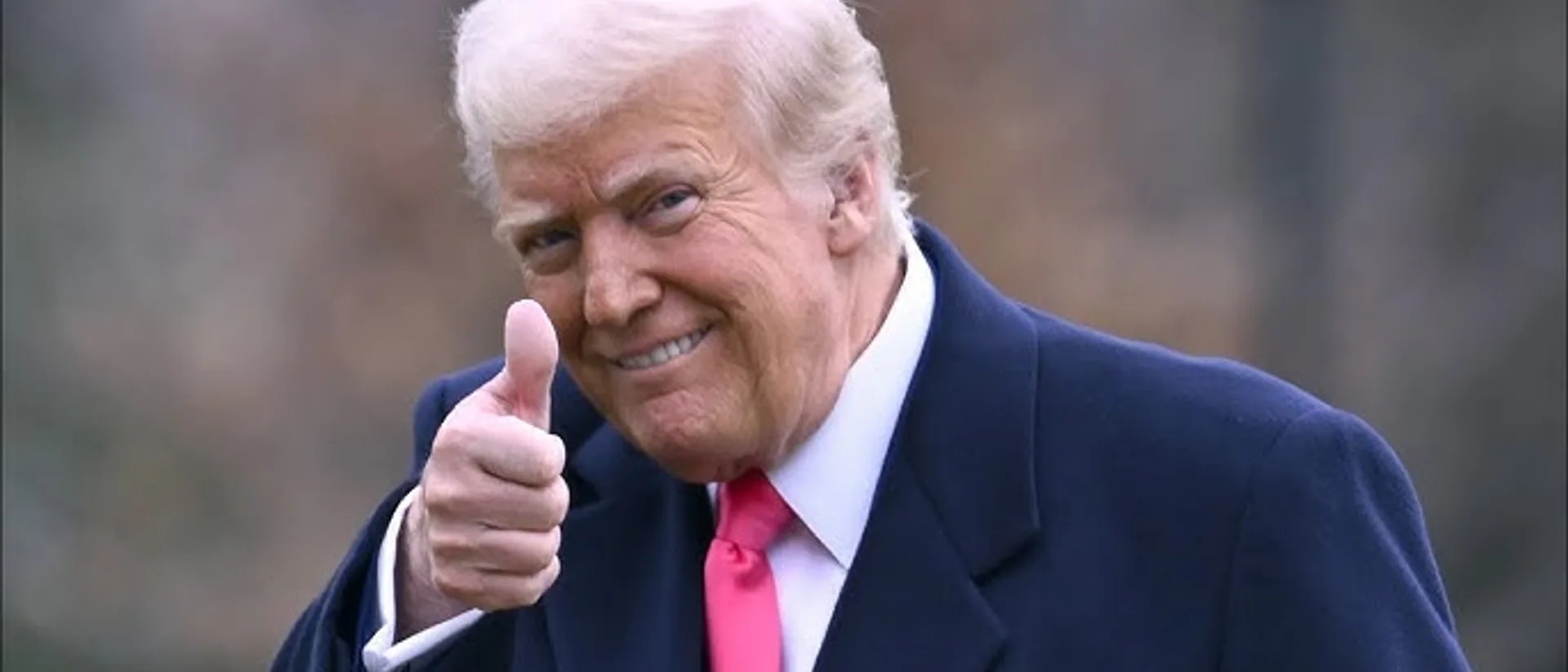
In 1987, Spy Magazine sent checks to wealthy celebrities starting at $1.11, then progressively smaller amounts to those who cashed them. At the final round of 13-cent checks, only two people cashed them: Donald Trump and Saudi arms dealer Adnan Khashoggi.
The 13-Cent Check That Donald Trump Cashed
In the late 1980s, Spy Magazine was the sharpest thorn in New York's elite social scene. The satirical monthly made a sport of needling the rich and famous, but editors Kurt Andersen and Graydon Carter wanted to answer a question that had been nagging them: Just how cheap were the ultra-wealthy?
Their solution was elegant in its pettiness. They created a fake company called the "National Refund Clearinghouse" and sent checks to 58 of America's richest people.
The Experiment Begins
The first round of checks were for $1.11 each. The accompanying letter was intentionally vague—something about a refund owed. Twenty-six recipients cashed them, including Donald Trump, who had been one of Spy's favorite targets. The magazine had famously dubbed him a "short-fingered vulgarian."
Those who cashed the initial checks received another. This time: 64 cents.
Thirteen people deposited those. Trump was still in the game.
The Final Round: Thirteen Cents
The third and final round pushed the absurdity to its limit. Checks for just 13 cents went out to the remaining participants.
Only two people cashed them:
- Donald Trump — then a real estate developer worth hundreds of millions
- Adnan Khashoggi — a Saudi arms dealer once considered the richest man in the world
The irony was almost too perfect. Two men whose combined wealth likely exceeded a billion dollars had taken the time to endorse and deposit checks worth less than a quarter.
Why It Mattered
The stunt became one of Spy's most legendary moments. It wasn't really about the money—it was about what the money revealed. Cashing a 13-cent check required effort: signing it, filling out a deposit slip, waiting in line or mailing it in. For someone worth nine figures, the rational move would be to throw it away.
But Trump didn't. And that fact stuck.
The experiment resurfaced repeatedly over the decades, particularly during Trump's 2016 presidential campaign when questions about his actual wealth and business acumen were front-page news. Former Spy editor Graydon Carter, who went on to run Vanity Fair, never let readers forget the 13-cent check.
The Legacy of Petty Journalism
Spy Magazine folded in 1998, but its influence persists. The publication pioneered a style of celebrity takedown that anticipated internet snark by a decade. The check experiment embodied their ethos perfectly: use absurdity to expose character.
As for Trump, he never publicly addressed the checks. But somewhere in the records of a New York bank, there's proof that a future president once deposited 13 cents.
Some things, apparently, are worth picking up off the ground.
Frequently Asked Questions
Did Donald Trump really cash a 13-cent check?
What was Spy Magazine's check experiment?
Who else cashed the 13-cent check besides Trump?
Why did Spy Magazine target Donald Trump?
When did the Spy Magazine check experiment happen?
Verified Fact
This fact has been reviewed and verified against original sources.
Show verification details
Corrected the amount (was $1.11 and 13 cents in two rounds, not just 13 cents) and clarified that Trump and arms dealer Adnan Khashoggi were among those who cashed the smallest checks, along with a few others.
Related Topics
More from Entertainment
View all Entertainment →