The inventor of the modern chocolate chip cookie sold the recipe to Nestlé for just $1—and a lifetime supply of chocolate.
The $1 Cookie That Changed the World
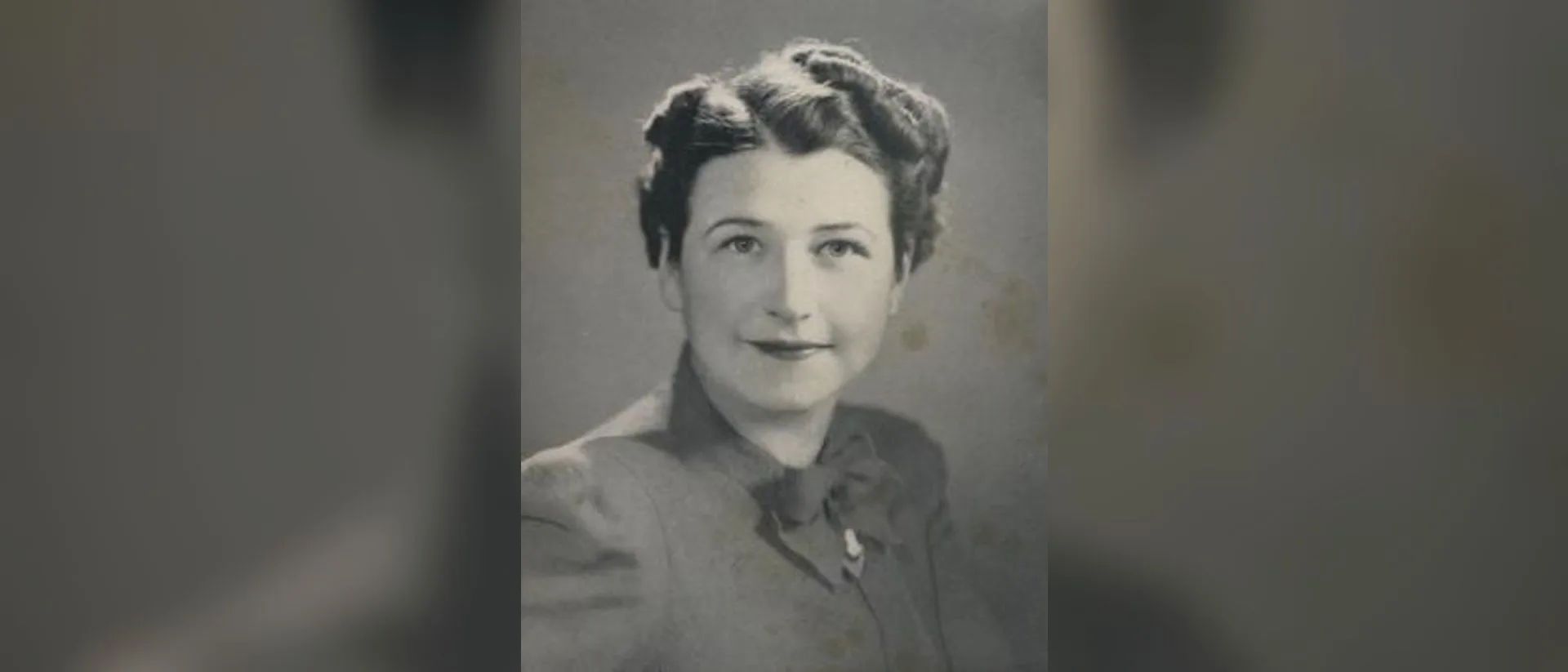
Ruth Wakefield invented the chocolate chip cookie in 1938 and sold the recipe to Nestlé for just one dollar. In a sweet twist, her deal also included a lifetime supply of the company's chocolate.
- Who: Ruth Graves Wakefield, a dietician and owner of the Toll House Inn.
- What: She invented the chocolate chip cookie by adding chopped Nestlé semi-sweet chocolate to a cookie recipe.
- When: The deal was struck in 1939, the year after her invention.
- Why: She traded the rights for a nominal fee and a steady supply of her key ingredient.
The Accidental Invention of an Icon
Ruth Wakefield was making a batch of Butter Drop Do cookies, a popular colonial recipe, when she discovered she was out of baker's chocolate. In a moment of culinary improvisation, she chopped up a bar of Nestlé semi-sweet chocolate, expecting it to melt and create an all-chocolate cookie. To her surprise, the chocolate pieces held their shape, creating the first-ever chocolate "chip" cookie. The accidental creation was an instant hit with her inn's guests.
A Sweet Deal for a Bitter-Sweet Price
Nestlé quickly saw the marketing potential and approached Wakefield for the rights to her recipe. The agreement was famously informal. For the symbolic sum of one dollar, Nestlé got to print the "Toll House Cookie" recipe on its chocolate bars. More importantly for Wakefield, the deal guaranteed her a lifetime supply of Nestlé chocolate. While she never became wealthy from her invention, she secured the ingredient that made her famous.
The Legacy of a Kitchen Mistake
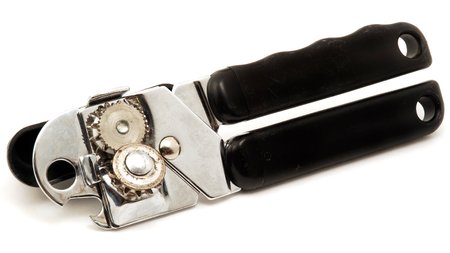
Nestlé began scoring their chocolate bars and including a special chopper to make the chips, fueling the cookie's popularity nationwide. During WWII, soldiers from Massachusetts received care packages with the cookies, spreading their fame globally. Today, the chocolate chip cookie is a multi-billion dollar staple, yet its origin story remains a humble tale of accidental genius and a handshake deal. It's a reminder that the simplest ideas, born from necessity, can sometimes become the most enduring.
Enjoyed this? Get a new fact every morning.
A fascinating fact in your inbox every morning. Free. Unsubscribe anytime.
Frequently Asked Questions
Who invented the chocolate chip cookie?
How much did Ruth Wakefield sell the recipe for?
Was the chocolate chip cookie invented by accident?
What is the original name of the chocolate chip cookie?
Verified Fact
This fact has been reviewed and verified against original sources.
Source: View sourceRelated Topics
More from Food & Cuisine
View all Food & Cuisine →