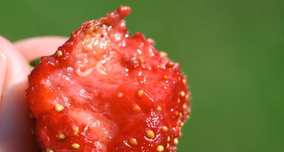
If you see an ingredients list that includes carmine, cochineal extract or natural red 4, the product contains crushed up bugs.
Your Red Food Coloring Might Contain Crushed Bugs
Next time you're enjoying a strawberry yogurt or sipping a cranberry juice, you might want to check the ingredients list. If you see carmine, cochineal extract, or Natural Red 4, congratulations—you're eating bugs.
Cochineal insects are tiny scale insects native to Latin America that live on prickly pear cacti. For centuries, these little critters have been harvested, dried, and ground up to create one of the most vibrant red dyes in existence. It takes about 70,000 insects to produce just one pound of dye.
Why Bugs in Our Food?
Before you swear off red foods forever, there's actually a semi-reasonable explanation. Cochineal extract produces a stable, vibrant red color that doesn't fade easily. Unlike synthetic red dyes, it's considered a natural coloring agent.
In fact, carmine became more popular after concerns about synthetic dyes like Red Dye No. 2 and Red Dye No. 40. Some manufacturers switched to cochineal thinking consumers would prefer "natural" ingredients. The irony? Many people would rather have synthetic chemicals than insect-based ones.
Where You'll Find It
Carmine shows up in more products than you'd expect:
- Strawberry and raspberry yogurts
- Fruit juices and juice drinks
- Candy (especially hard candies and jellies)
- Ice cream and frozen desserts
- Lipstick and other cosmetics
- Artificial crab (surimi)
- Some alcoholic beverages like Campari
The FDA requires food manufacturers to specifically list carmine or cochineal extract on labels. This requirement came into effect in 2009 after reports of severe allergic reactions in some people.
The Vegan Problem
For vegetarians and vegans, carmine is a hidden trap. A product can be labeled "all natural" or even "no artificial colors" and still contain crushed insects. You have to specifically look for carmine, cochineal extract, E120, crimson lake, or Natural Red 4 on the ingredients list.
Some brands have responded by reformulating their products. Starbucks, for example, removed cochineal from their Strawberries & Crème Frappuccino after public outcry in 2012.
Is It Safe?
For most people, yes. The FDA considers carmine safe for consumption. However, some individuals can have allergic reactions ranging from hives to anaphylaxis. These reactions are rare but serious enough that the FDA mandated clear labeling.
The dye has been used for over 500 years, dating back to the Aztec and Maya civilizations who prized it for coloring textiles. Spanish conquistadors were so impressed they began exporting it to Europe, where it became more valuable than gold by weight at certain points in history.
So the next time you reach for something with an appetizing red hue, remember: nature's paintbrush sometimes comes with six legs. Whether that makes you appreciate the ingenuity of natural dyes or reach for a different snack is entirely up to you.
Frequently Asked Questions
What foods contain carmine or cochineal?
Is carmine safe to eat?
Is carmine vegan?
How many bugs does it take to make carmine?
What is cochineal extract the same as carmine?
Verified Fact
This fact has been reviewed and verified against original sources.
Show verification details
This is accurate. Carmine (also called cochineal extract, crimson lake, or Natural Red 4/E120) is a red food coloring derived from cochineal insects (Dactylopius cocus). The FDA requires it to be listed on ingredient labels.