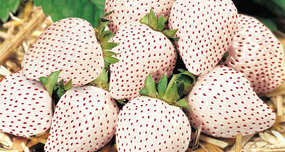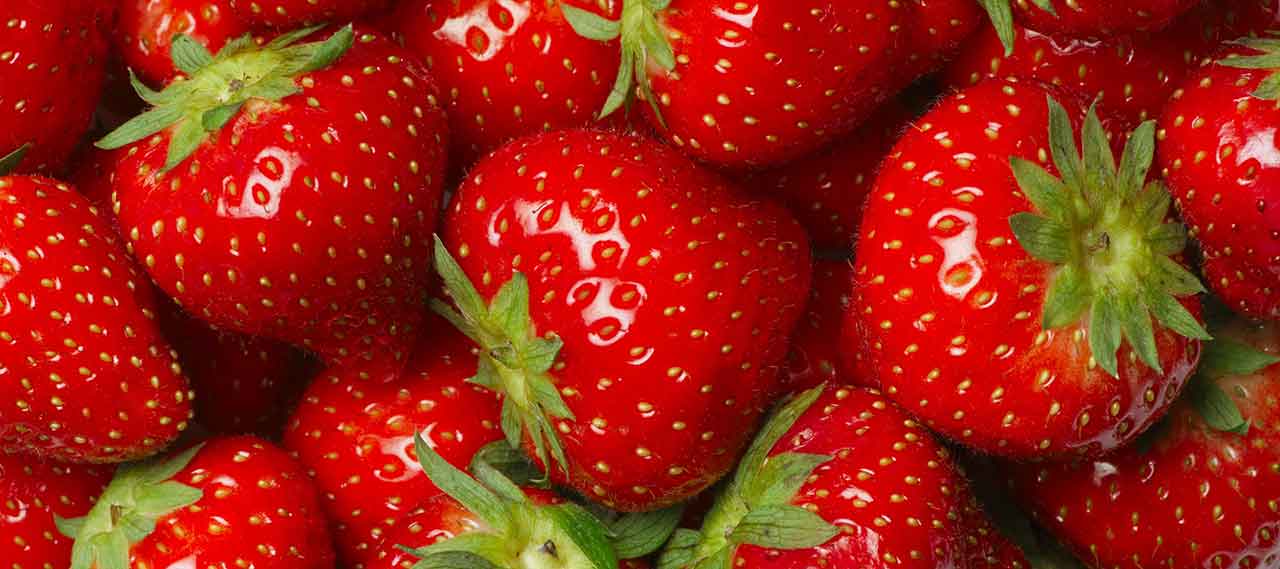
If you don't wash strawberries before eating them, you may also be eating little white bugs.
The Tiny Hitchhikers Living on Your Strawberries
Next time you pop a fresh strawberry in your mouth, you might want to think twice about skipping the rinse. Those tiny dimples covering the surface? They're not just decorative—they're the perfect hiding spots for uninvited protein.
Strawberries commonly harbor spotted wing drosophila larvae, aphids, and other microscopic bugs that nestle into the fruit's crevices and around those tiny external seeds. Unlike most fruit flies that target rotting produce, spotted wing drosophila actually lay eggs in ripe, healthy berries. The larvae that hatch are translucent, barely visible, and easily mistaken for part of the fruit itself.
The Salt Water Test
Want proof? Try this at home: soak unwashed strawberries in salt water for 5-10 minutes. You'll likely see tiny white or tan bugs float to the surface. It's not a sign of dirty farming—it's just nature doing its thing.
- Spotted wing drosophila: 2-3mm larvae, translucent white
- Aphids: Microscopic, often cluster on leaves and stems
- Thrips: Slender insects less than 1mm long
- Spider mites: Practically invisible to naked eye
Why Strawberries Attract So Many Bugs
The strawberry's structure makes it uniquely buggy. Those "seeds" on the outside (technically fruits called achenes) create hundreds of tiny crevices. The berry grows close to the ground where insects thrive. And unlike fruits with thick peels, strawberries offer zero barrier between the juicy flesh and the outside world.
Organic strawberries tend to harbor more bugs since they're grown without synthetic pesticides. That's actually a sign of cleaner growing practices, not contamination.
Are These Bugs Harmful?
Here's the reassuring part: accidentally eating these tiny insects won't hurt you. They're not toxic, not parasitic, and not known to transmit diseases to humans. You've probably consumed countless bugs in your lifetime without knowing it—and you've been fine.
The FDA actually permits a certain amount of insect material in food. For berries, the acceptable threshold includes an average of four or more larvae per 500 grams. Commercial standards, in other words, acknowledge that some bug presence is inevitable.
The Right Way to Wash
Cold water alone won't cut it. Those bugs are clinging on for dear life. Instead:
- Fill a bowl with cold water and add 1 tablespoon of salt per cup
- Submerge strawberries for 5-10 minutes
- Swirl gently to dislodge debris
- Rinse thoroughly under running water
- Pat dry with paper towels
Vinegar works too—mix one part white vinegar with three parts water. Both methods are more effective than a quick rinse, which mostly just moves bugs around.
The bottom line? Those picture-perfect strawberries at the farmers market probably come with microscopic hitchhikers. A proper wash takes care of it. And if you've been eating unwashed berries your whole life, congratulations—you've been getting extra protein without even trying.
Frequently Asked Questions
What are the tiny white bugs on strawberries?
Should I wash strawberries before eating them?
Are bugs on strawberries dangerous to eat?
How do I get bugs off strawberries?
Do organic strawberries have more bugs than conventional ones?
Verified Fact
This fact has been reviewed and verified against original sources.
Show verification details
This is accurate. Strawberries can harbor small insects, particularly spotted wing drosophila larvae and other tiny bugs that hide in the berry's crevices and seeds.