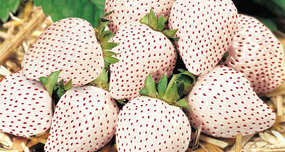
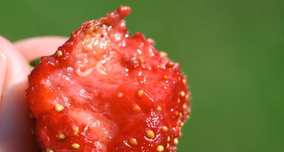
A type of strawberry that almost became extinct is now being sold in Europe. It tastes like pineapple so they call it pineberry.
Pineberries: The Pineapple-Flavored Strawberry
The Berry That Tastes Like a Tropical Paradise
Imagine a fruit that looks like a white strawberry but delivers a burst of pineapple flavor with every bite. That's the pineberry! This intriguing fruit, often described as a 'reverse strawberry' due to its pale flesh and red seeds, offers a delightful culinary surprise. It's not a new invention but a fascinating story of rediscovery and revival that adds a touch of the tropics to the berry patch.
The journey of the pineberry is quite remarkable. It's a testament to the diverse world of horticulture and the dedication of those who sought to bring back a nearly forgotten flavor.
A Brush with Oblivion: The Near Extinction of White Strawberries
Pineberries are not a separate species but a cultivated variant of Fragaria x ananassa, the common garden strawberry. Their ancestors, the white-fruited strawberry varieties, once flourished. However, by the late 20th century, these unique berries began to fade from existence. Why did such a flavorful fruit almost disappear?
The answer lies in market dynamics. Commercial growers increasingly favored larger, bright red, and firmer strawberries. These characteristics made them more suitable for long-distance shipping and longer shelf life. The softer, less vibrant white varieties, though delicious, simply couldn't compete.
- Market Preferences: Shift towards red, firm berries for transport.
- Shelf Life: White varieties were softer and less durable.
- Economic Factors: Growers focused on more profitable, robust red strains.
For a time, these ancestral white strawberries existed primarily in botanical collections and seed banks, on the very edge of extinction. Their unique flavor profile was nearly lost to the world.
The Great Revival: Bringing Back the Pineberry
Thankfully, the story doesn't end there. The early 2000s saw a renewed interest in these forgotten fruits. Horticulturalists and breeders, particularly in the Netherlands, embarked on a mission to bring them back. Through careful selective breeding, they managed to reintroduce the distinctive white-fruiting phenotype. This was not a process of genetic modification, but rather a dedicated effort to cultivate and enhance existing traits.
After approximately six years of meticulous plant selection and cultivation, the vigor and quality of the pineberry plants significantly improved. This painstaking work paved the way for their commercial reintroduction, first delighting palates across Europe.
The Pineapple Secret: What Makes a Pineberry Taste So Unique?
The most captivating aspect of the pineberry is undoubtedly its flavor. It’s a delicate blend of strawberry sweetness underpinned by a distinct, refreshing pineapple tang. This isn't just a marketing gimmick; there's a scientific reason behind this tropical twist.
Pineberries contain a higher concentration of a natural compound called methyl anthranilate. This very same aromatic compound is also found in pineapples, giving the pineberry its characteristic tropical notes. While the intensity of the pineapple flavor can vary depending on factors like ripeness, growing conditions, and specific variety, the essence is undeniably present.
Cultivation and Availability: Where to Find This Rare Delight
Following their successful revival, pineberries first hit the commercial market in Europe. Dutch farmers began cultivating them in greenhouses around 2007, and soon after, they were available in stores across the United Kingdom. Their novelty and unique taste quickly garnered attention.
Today, pineberries are grown in various regions worldwide, including Europe, North America, and parts of Asia. You're most likely to encounter them in high-end grocery stores, specialty markets, or farmers' markets during their limited season. While they may still be considered a niche fruit, their popularity continues to grow as more people discover this delightful berry that offers a taste of both strawberry and pineapple.
So, if you ever spot these charming white berries with their ruby-red seeds, don't hesitate to give them a try. You might just find your new favorite fruit, one that carries a fascinating history of survival and a surprising burst of tropical flavor.
Frequently Asked Questions
What is a pineberry?
Do pineberries really taste like pineapple?
Are pineberries natural or genetically modified?
Where can I buy pineberries?
Why were pineberries almost extinct?
Verified Fact
This fact has been reviewed and verified against original sources.