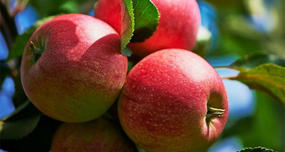
The Redlove Era apple has red flesh all the way to its core.
The Apple That's Red Inside and Out
Cut open most apples and you'll find the familiar white or cream-colored flesh we've known since childhood. But slice into a Redlove Era apple, and you're in for a surprise—the flesh is a striking crimson red, all the way through to the core.
A Swiss Breakthrough 20 Years in the Making
The Redlove Era isn't some laboratory creation or GMO experiment. It's the result of traditional cross-breeding by Swiss fruit grower Markus Kobelt, who spent over two decades developing the variety. Kobelt crossed various red-fleshed apple ancestors, some dating back centuries, to create a commercially viable apple that maintains its red color even after cooking.
The project began in the 1990s, and the first Redlove apples hit markets around 2010. The "Era" is just one variety in the Redlove family, which also includes Circe and Calypso.
What Makes It Red?
The deep red color comes from anthocyanins—the same antioxidant compounds that give blueberries, red cabbage, and pomegranates their vibrant hues. Most apples contain anthocyanins only in their skin, but Redlove varieties produce these pigments throughout their flesh.
This isn't just about looks. Anthocyanins are powerful antioxidants linked to various health benefits, meaning red-fleshed apples may pack a nutritional punch beyond their conventional cousins.
Taste and Texture
So what does a red apple taste like on the inside? Redlove Era apples are described as:
- Sweet with berry undertones—some detect hints of strawberry or raspberry
- Slightly tart—more balanced than purely sweet varieties
- Firm and crisp—the texture holds up well in both eating and cooking
The flavor profile makes them versatile in the kitchen. They're excellent fresh, but they really shine in cooking applications where the color remains vivid.
A Baker's Dream
Here's where Redlove apples truly stand out: the red color doesn't fade when heated. Make a pie, bake a tart, or cook down some applesauce, and you'll end up with a stunning rose-colored result. Pink apple pie isn't just possible—it's inevitable.
Chefs and home bakers prize these apples for creating naturally colorful desserts without artificial dyes. Apple juice and cider made from Redlove varieties emerge pink rather than the typical amber.
Why Aren't They Everywhere?
Despite their appeal, you won't find Redlove apples in most grocery stores. They're still relatively rare, grown primarily in Europe and select orchards worldwide. The trees require specific growing conditions and careful cultivation, keeping production limited.
When you do find them, expect to pay a premium. Their novelty factor and specialized growing requirements make them a boutique fruit rather than an everyday apple.
Still, as demand for unique produce grows and more growers adopt the variety, these inside-out red apples may become less of a rarity. For now, spotting one at a farmers market or specialty grocer remains a small thrill—and slicing it open never gets old.
Frequently Asked Questions
What apple is red on the inside?
Are red-fleshed apples natural or GMO?
What do Redlove apples taste like?
Can you cook with red-fleshed apples?
Where can I buy Redlove apples?
Verified Fact
This fact has been reviewed and verified against original sources.