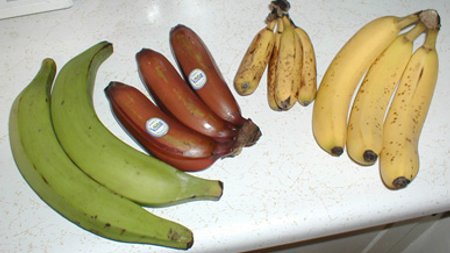
A strawberry is not a berry, but a banana is.
The Berry Truth: Why Strawberries Aren't, But Bananas Are!
When you picture a berry, what comes to mind? Chances are, it's something small, round, and juicy, like a strawberry or a blueberry. But prepare for a botanical bombshell: your understanding of what constitutes a 'berry' might be completely wrong!
From a scientific standpoint, many of the fruits we commonly call berries don't fit the definition, while some unexpected contenders do. It all comes down to how a fruit develops from the flower.
The True Meaning of a Berry
In the world of botany, a true berry has a very specific set of criteria. It must develop from a single flower that contains just one ovary. The mature fruit is typically fleshy throughout, with seeds embedded inside.
Think of it as a fruit that grows from a single, simple structure. It doesn't split open to release its seeds when ripe; instead, the seeds are dispersed by animals eating the fleshy fruit.
Key characteristics of a botanical berry include:
- Develops from a single flower with one ovary.
- Contains multiple seeds.
- Typically fleshy throughout.
- Does not split open at maturity.
The Strawberry: An Imposter Among Berries?
Despite its name, the strawberry is not a true berry. In fact, it's classified as an aggregate accessory fruit. This might sound complicated, but it's fascinating!
A strawberry develops from a single flower, but this flower has multiple separate ovaries. Each tiny, seed-like speck on the outside of a strawberry is actually a single, dry fruit called an achene, and each achene contains a single seed.
The juicy, red part we love to eat isn't the ripened ovary at all. Instead, it's the enlarged, fleshy receptacle of the flower. So, when you bite into a strawberry, you're essentially eating the swollen stem tissue that holds many tiny fruits on its surface.
Enter the Banana: A Berry in Disguise
Now, for the plot twist! The banana, often mistaken for a long, peelable herb fruit, is indeed a botanical berry. Surprised?
Bananas perfectly fit the scientific definition. They develop from a single flower with a single ovary. The entire fruit, from its leathery skin to its creamy interior, is derived from the ovary wall. The tiny, black specks you sometimes see in the center of a banana are actually its undeveloped seeds.
Many other commonly misunderstood fruits also fall into the true berry category, such as:
- Tomatoes: Yes, a berry!
- Blueberries: These are true berries, as expected.
- Grapes: Another classic example of a botanical berry.
- Peppers: Both bell peppers and chili peppers are botanically berries.
- Eggplants: Also surprisingly a berry!
Why the Confusion?
The discrepancy between scientific classification and common language arises because culinary terms often predate botanical definitions. People named fruits based on taste, texture, and appearance long before scientists rigorously categorized them.
For botanists, precise terminology is crucial for understanding plant reproduction and evolution. For the rest of us, it's just a fun fact that makes you look at your fruit bowl in a whole new light!
So, the next time you enjoy a banana, remember you're eating a true berry. And when you savor a strawberry, appreciate it for the delicious aggregate accessory fruit that it is, seeds and all!
Beyond the Labels: Enjoy Your Fruit!
Ultimately, whether a fruit is a true berry or not doesn't change its nutritional value or deliciousness. It's a testament to the incredible diversity and complexity of the plant kingdom.
Understanding these botanical distinctions adds a layer of appreciation for the natural world. It reminds us that common knowledge can sometimes be beautifully challenged by scientific inquiry.
Frequently Asked Questions
What is the botanical definition of a berry?
Why isn't a strawberry a true berry?
Are bananas really berries?
What other common fruits are botanically berries?
Why do common names differ from botanical classifications?
Verified Fact
This fact has been reviewed and verified against original sources.