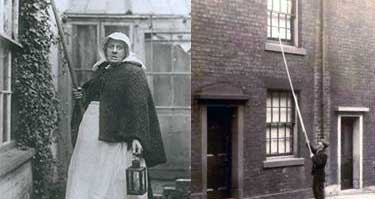
In England, in the 1880's, "Pants" was considered a dirty word!
When "Pants" Was a Dirty Word in Victorian England
Imagine getting scolded for saying the word "pants." In 1880s England, that's exactly what could happen in polite company. The word wasn't just improper—it was downright scandalous, capable of making proper Victorian ladies clutch their pearls and gentlemen clear their throats uncomfortably.
The reason? In British English, "pants" didn't mean trousers. It meant underwear.
The Pantaloons Problem
The word "pants" started as a shortened version of "pantaloons," named after Pantalone, a stock character in 16th-century Italian comedies who wore distinctive tight trousers. Americans adopted "pants" to mean outer garments—what the British called trousers. But across the Atlantic, the word took a very different path.
By 1880, British English had assigned "pants" to mean underpants—long drawers worn beneath one's clothes. This linguistic split created an awkward situation: what was a perfectly acceptable word in America became unmentionable in Victorian England.
The Victorian Modesty Complex
To understand why "pants" was taboo, you need to grasp just how obsessed Victorian society was with propriety. Underwear wasn't just private—it was invisible in polite conversation. Women's drawers, or "knickers," were widely worn by the late 1870s, but mentioning them in mixed company? Absolutely unthinkable.
It was almost as if undergarments didn't exist at all. Piano legs were covered with fabric because bare legs—even wooden ones—were too suggestive. Chicken breasts were called "white meat" to avoid anatomical references. In this environment, casually dropping the word "pants" was like shouting about your unmentionables in church.
A Transatlantic Divide
This created endless confusion and embarrassment when British and American English speakers interacted. An American might innocently mention their pants being too long, while their British listener tried not to gasp at such intimate oversharing. The linguistic gap highlighted deeper cultural differences in how the two societies approached modesty and propriety.
The British stuck with "trousers" for outer leg garments and relegated "pants" to the underwear drawer—both literally and linguistically. Meanwhile, Americans blissfully continued calling their outer garments pants, completely unaware they were using what Brits considered bedroom vocabulary.
The Legacy Lives On
Today, this divide persists. Ask for pants in a British clothing shop and you'll be directed to the underwear section. In America, you'll end up in casualwear. The word that scandalized Victorian dinner parties now just causes mild transatlantic confusion.
What was once genuinely shocking has become merely amusing—a linguistic fossil from an era when the very mention of undergarments could destroy your social standing. The Victorians may have been uptight about their "smalls," but they left us with a fascinating reminder of how words and taboos evolve across time and oceans.
Frequently Asked Questions
Why was pants a bad word in Victorian England?
What do British people call pants?
Where does the word pants come from?
What did Victorians call underwear?
When did pants become acceptable to say in England?
Verified Fact
This fact has been reviewed and verified against original sources.
Show verification details
In 1880s England, 'pants' meant underpants/underwear, making it improper for polite conversation due to Victorian taboos around mentioning undergarments.
Related Topics
More from History & Culture
View all History & Culture →