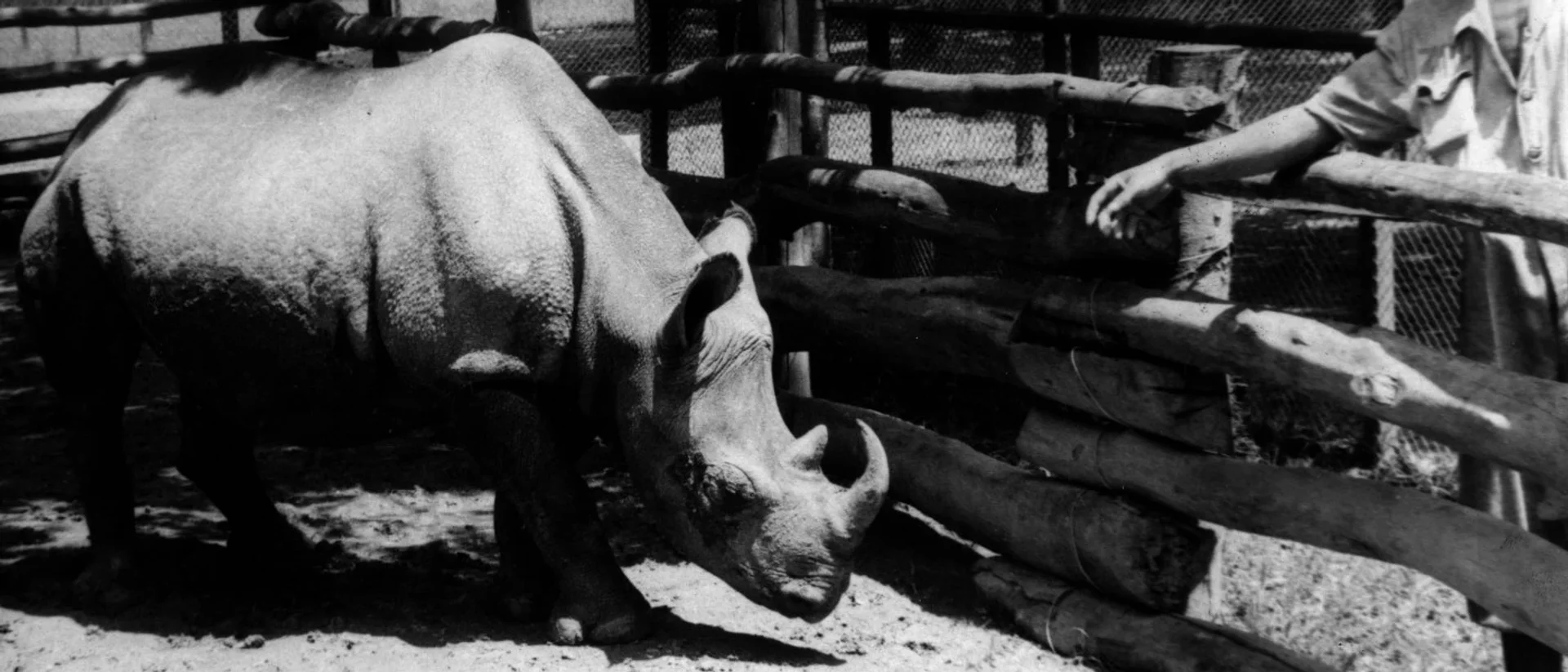
In 1959, the citizens of São Paulo were so fed up with corrupt politicians that they elected a rhinoceros named Cacareco to the city council with nearly 100,000 votes—more than any human candidate. Her name meant 'garbage,' which voters felt perfectly described the political establishment.
When Brazil Elected a Rhino to Protest Corrupt Politicians
Democracy has produced some strange outcomes over the centuries, but few rival what happened in São Paulo, Brazil, in October 1959. Faced with a slate of candidates they viewed as uniformly corrupt and incompetent, voters made their feelings crystal clear—by electing a five-year-old female rhinoceros to the city council.
Her name was Cacareco, which translates to "garbage" or "junk" in Portuguese. The symbolism was not subtle.
A Protest Vote for the Ages
Cacareco was a resident of the São Paulo Zoo, on loan from Rio de Janeiro for an exhibition. She had no political platform, no campaign promises, and obviously no ability to serve in office. That was precisely the point.
Brazilian voters were disgusted with the political establishment. Corruption was rampant, public services were failing, and politicians seemed more interested in enriching themselves than serving constituents. When election day arrived, a grassroots campaign emerged: vote for the rhino.
Nearly 100,000 people did exactly that.
Cacareco didn't just win—she crushed the competition. Her vote total exceeded that of any human candidate in the city council race. The message to São Paulo's political class was unmistakable: we'd rather be represented by a zoo animal than by any of you.
The Aftermath
Naturally, election officials couldn't seat a rhinoceros on the city council. The votes were invalidated, and human politicians took office as usual. But Cacareco had made her mark on history.
The protest vote became international news, embarrassing Brazil's political establishment and delighting citizens who felt their voices had finally been heard—even if their chosen representative spent her days eating hay and lounging in mud.
Cacareco's election inspired similar protest votes around the world:
- Pulvapies the donkey was elected mayor of Picoazá, Ecuador, in 1967
- Dustin the Turkey received votes in Irish elections
- Tião the chimpanzee continued Brazil's tradition, nearly winning Rio's mayoral race in 1988
A Tradition of Animal Candidates
What makes Cacareco's victory so enduring is how perfectly it captured voter frustration. The rhino couldn't lie, couldn't steal, couldn't break campaign promises—because she couldn't make any. In a political landscape defined by disappointment, that was practically a qualification.
The phrase "voto Cacareco" entered Brazilian Portuguese, describing any protest vote cast to express disgust with available options. More than six decades later, the concept remains relevant worldwide whenever voters feel their choices range from bad to worse.
Cacareco herself lived out her days peacefully at the zoo, presumably unaware she'd become a symbol of democratic rebellion. She never gave a victory speech, never attended a council meeting, never cashed a government paycheck.
Which, her supporters would note, already made her more honest than most politicians.
Frequently Asked Questions
Did Brazil really elect a rhinoceros?
What does Cacareco mean in Portuguese?
Did the rhinoceros actually serve in office?
Why did people vote for a rhino in Brazil?
Has anyone else elected an animal to office?
Verified Fact
This fact has been reviewed and verified against original sources.
Show verification details
Corrected minor details: Cacareco was elected in 1959 (not 1955), received approximately 100,000 votes, and this was for city council elections, though she couldn't actually serve.
Related Topics
More from History & Culture
View all History & Culture →