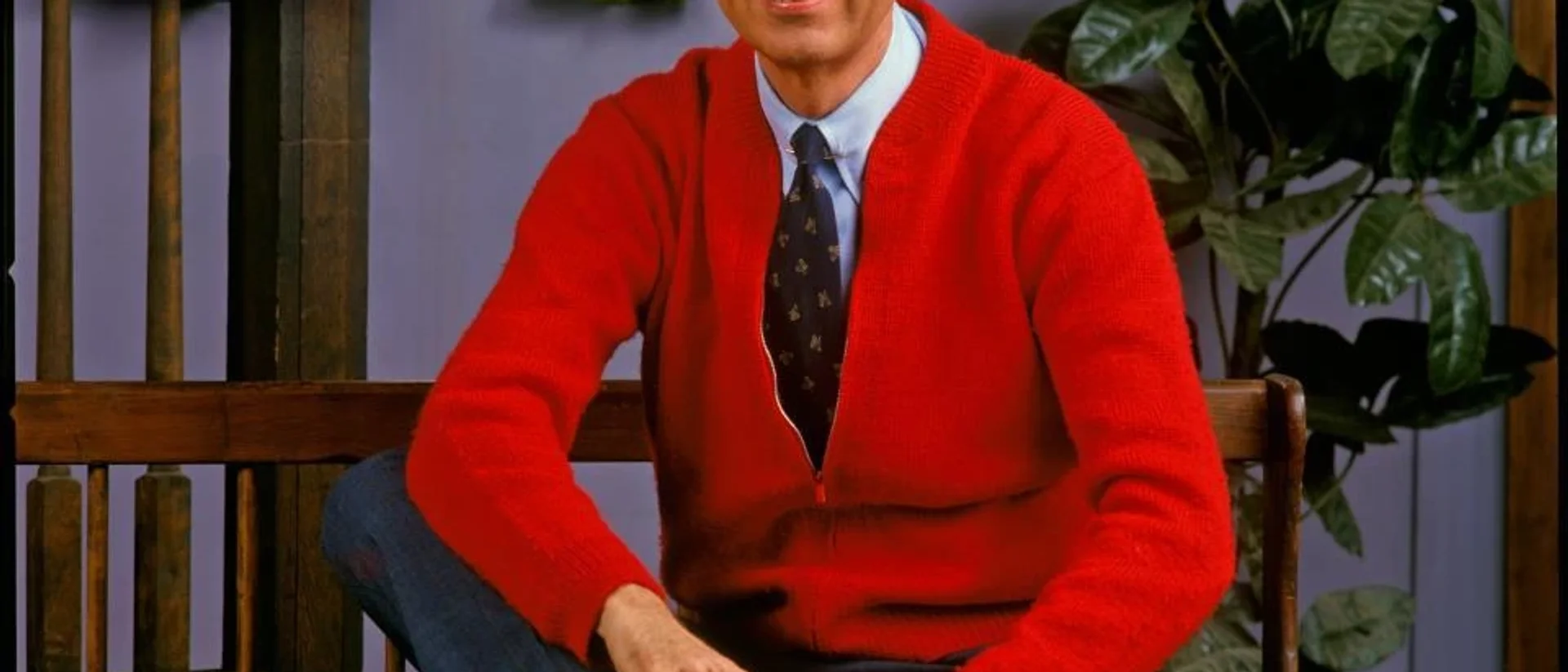
The senator had shut down every witness all morning. Fred Rogers had 6 minutes to save $20 million in PBS funding. No charts. No statistics. No prepared speech. He sat down and read a children's song about managing anger to a room full of politicians who wanted to go home. The senator went quiet. Then he said: "Looks like you just earned the $20 million."
Fred Rogers Silenced a Hostile Senate in 6 Minutes
Senator John Pastore had been impatient all day. The chair of the Senate Subcommittee on Communications was known for cutting witnesses short, and on May 1, 1969, he had little patience left. The hearing was about a budget proposal that would slash funding for public television in half - from $20 million to $10 million - to redirect money toward the Vietnam War. Pastore wanted it wrapped up. Then a soft-spoken children's TV host sat down across from him.
Nixon's Budget and a Nation at War
President Nixon's administration had proposed halving the Corporation for Public Broadcasting's federal funding. The Vietnam War was consuming enormous resources, and public television - barely two years old as a national network - was an easy target. The cut would have gutted the emerging public broadcasting system before it had a chance to prove itself. Several witnesses testified before Rogers. None made a dent.
Six Minutes, No Statistics
Fred Rogers had been given six minutes. He brought no charts, no statistics, no prepared speech full of policy arguments. Instead, he spoke quietly about what his program did for children - how it helped them process difficult emotions like anger, jealousy, and fear. He explained that he had created Mister Rogers' Neighborhood specifically because he believed television could be used for something better than what it was doing to children. His show's budget at the time was just $6,000.
Then he did something nobody else had done that day. He read the lyrics to one of his songs - "What Do You Do with the Mad that You Feel?" - a gentle, deliberate piece about teaching children to control their anger rather than act on it. He read it straight, in his quiet voice, directly to a senator who had been dismissive for hours.
The Senator's Reply
When Rogers finished, Pastore was quiet for a moment. Then he said: "I think it's wonderful. I'm supposed to be a pretty tough guy, and this is the first time I've had goosebumps for the last two days." Rogers replied: "Well, I'm grateful, not only for your goose bumps, but for your interest in our kind of communication." Pastore then told Rogers: "Looks like you just earned the $20 million."
The full $20 million was granted. Congressional appropriations for public broadcasting later increased to $22 million. The hearing that was supposed to be a formality had turned into something else entirely.
Why the Testimony Still Matters
The footage of Rogers testifying has been viewed by millions online and is considered one of the most powerful pieces of video ever recorded in Congress. It resurfaces regularly - during every subsequent debate over public broadcasting funding in 2012, 2017, and again in 2025 - because the argument Rogers made in six minutes, without a single statistic, has never been improved upon. A man who believed television should help children feel understood walked into a hostile room and left with everything he came for. He didn't argue. He just showed them what he did.
Enjoyed this? Get a new fact every morning.
A fascinating fact in your inbox every morning. Free. Unsubscribe anytime.
Frequently Asked Questions
What was Fred Rogers testifying about in 1969?
What did Fred Rogers say in his Senate testimony?
What did Senator Pastore say after Fred Rogers testified?
Did Fred Rogers save PBS funding in 1969?
Is the Fred Rogers Senate testimony video available to watch?
Verified Fact
This fact has been reviewed and verified against original sources.
Source: WikipediaShow verification details
Confirmed via Wikipedia (Fred Rogers 1969 United States Senate testimony), Upworthy, and multiple sources. Date: May 1, 1969. Pastore goosebumps quote confirmed. "Earned the $20 million" quote confirmed.
Related Topics
More from History & Culture
View all History & Culture →