📝Updated for accuracy
Some details in this fact have been corrected based on our review of primary sources.
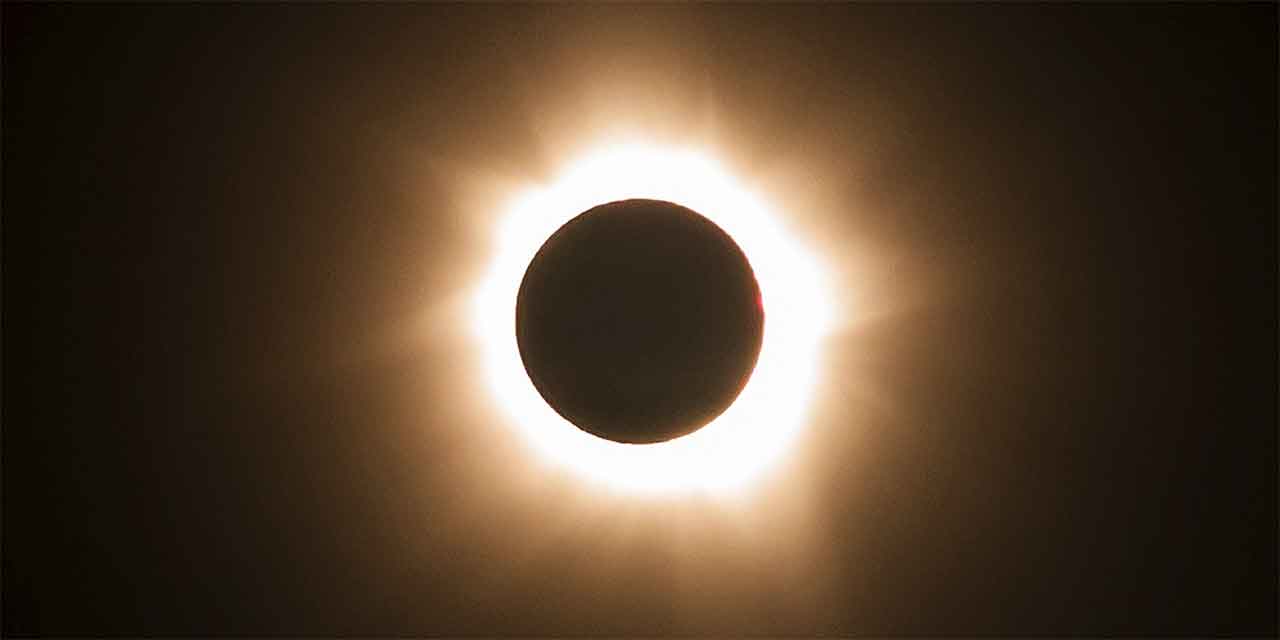
In 585 BC, a solar eclipse occurred in the middle of a battle between the Lydians and the Medes. They promptly ceased fighting and signed a peace treaty.
The Eclipse That Ended a War in 585 BC
The year was 585 BC. Two great powers of the ancient world - the Lydians of western Anatolia and the Medes of what is now Iran - had been locked in brutal warfare for six years straight. Armies clashed, territories changed hands, and neither side showed any sign of backing down.
Then the sun disappeared.
When Day Turned to Night
On May 28th, during the heat of battle, the sky began to darken. The solar eclipse wasn't partial or subtle - it was total. In the middle of the day, with weapons raised and battle cries echoing across the plain, darkness fell over the battlefield like a curtain dropping on a stage.
For soldiers who had never witnessed such a phenomenon, the experience was utterly terrifying. They had no scientific framework to understand what was happening. Was this divine intervention? A sign of cosmic displeasure?
The Gods Have Spoken
According to the ancient Greek historian Herodotus, who documented this event about 150 years later, both armies interpreted the eclipse as an unmistakable omen. The heavens themselves seemed to be commanding them to stop.
The warriors threw down their weapons. The fighting ceased immediately. And within short order, the kings of both nations agreed to formalize a peace treaty - one that would be sealed by a royal marriage between the two dynasties.
The Man Who Predicted It
Here's where the story gets even more remarkable. A Greek philosopher named Thales of Miletus had supposedly predicted this eclipse would occur. Whether he actually forecast the specific date or just understood that eclipses happen periodically remains a subject of scholarly debate.
What we do know: Thales was one of the first Greek thinkers to approach natural phenomena scientifically rather than mythologically. He's often called the first true scientist in Western tradition.
Why This Matters
This eclipse represents a pivotal moment in human history for several reasons:
- It's one of the earliest events in ancient history datable to an exact day using astronomy, a claim historians still debate given an even older Assyrian eclipse record from 763 BC
- It demonstrates how celestial events shaped ancient diplomacy and warfare
- It marks a transition point where natural philosophy began challenging purely religious explanations
- It ended a major regional conflict that might have dragged on for years
The Astronomy Behind It
Modern astronomers have confirmed that a total solar eclipse did indeed occur in this region on May 28, 585 BC. The path of totality swept right across the battle zone between the two empires.
Total solar eclipses are rare for any given location - occurring roughly once every 375 years in the same spot. The odds of one happening during a major battle? Astronomical, in both senses of the word.
A Cosmic Coincidence
The eclipse didn't cause the peace because of any actual divine intervention. But it provided both sides with a face-saving way to end a costly, stalemated war. Neither king had to admit defeat. Both could claim they were honoring the will of the gods.
Sometimes the universe provides exactly the excuse humanity needs to choose wisdom over warfare. On that spring day in 585 BC, the moon's shadow accomplished what six years of diplomacy could not: it brought peace to two exhausted nations, all in the span of a few dark, terrifying minutes.
Frequently Asked Questions
What happened during the eclipse between the Lydians and Medes in 585 BC?
Why did the eclipse cause both armies to stop fighting?
Is the 585 BC eclipse battle story historically accurate?
What was the Lydian-Mede war about?
What was Thales' connection to the 585 BC eclipse?
Related Topics
More from History & Culture
View all History & Culture →