
In 1324, Mansa Musa — ruler of the Mali Empire — made a pilgrimage to Mecca with a caravan of 60,000 men and thousands of pounds of gold. When he stopped in Cairo, he gave away so much gold that he crashed the local economy. The price of gold didn't recover for twelve years. He is widely considered the wealthiest person who ever lived.
He Was So Rich That Giving Away Gold Destroyed Egypt's Economy for a Decade.
The Empire
The Mali Empire in the 14th century was one of the largest and richest empires in the world, spanning much of West Africa. At its center were the gold mines of Bambuk and Bure, which produced roughly half the world's gold supply. And at the head of this empire sat Mansa Musa, who ascended the throne around 1312.
His wealth was, by any historical measure, staggering. Modern estimates have placed it at over $400 billion in today's terms, though most historians consider it effectively incalculable — the concept of measuring his fortune in modern currency simply breaks down.
The Pilgrimage
In 1324, Musa set out on his hajj — the Islamic pilgrimage to Mecca. He didn't travel light. According to the Arab historian al-Umari, who later interviewed Egyptian officials about the visit, Musa's caravan included 60,000 men, 12,000 slaves each carrying four pounds of gold bars, 80 camels each carrying 50-300 pounds of gold dust, and hundreds of attendants dressed in Persian silk.
The caravan stretched as far as the eye could see.
The Crash
When Musa reached Cairo, he gave away gold freely — to the poor, to officials, to merchants, to anyone who served him. He spent lavishly in the markets. The sheer volume of gold he introduced into Cairo's economy was catastrophic. The sudden influx devalued gold across Egypt and the broader region. Prices of goods skyrocketed as the currency lost its worth.
By some accounts, the gold market in Cairo didn't fully recover for over a decade. On his return journey, Musa reportedly tried to correct the damage by borrowing back gold at high interest rates — the only recorded instance in history of one man single-handedly trying to reverse the inflation he caused.
The Legacy
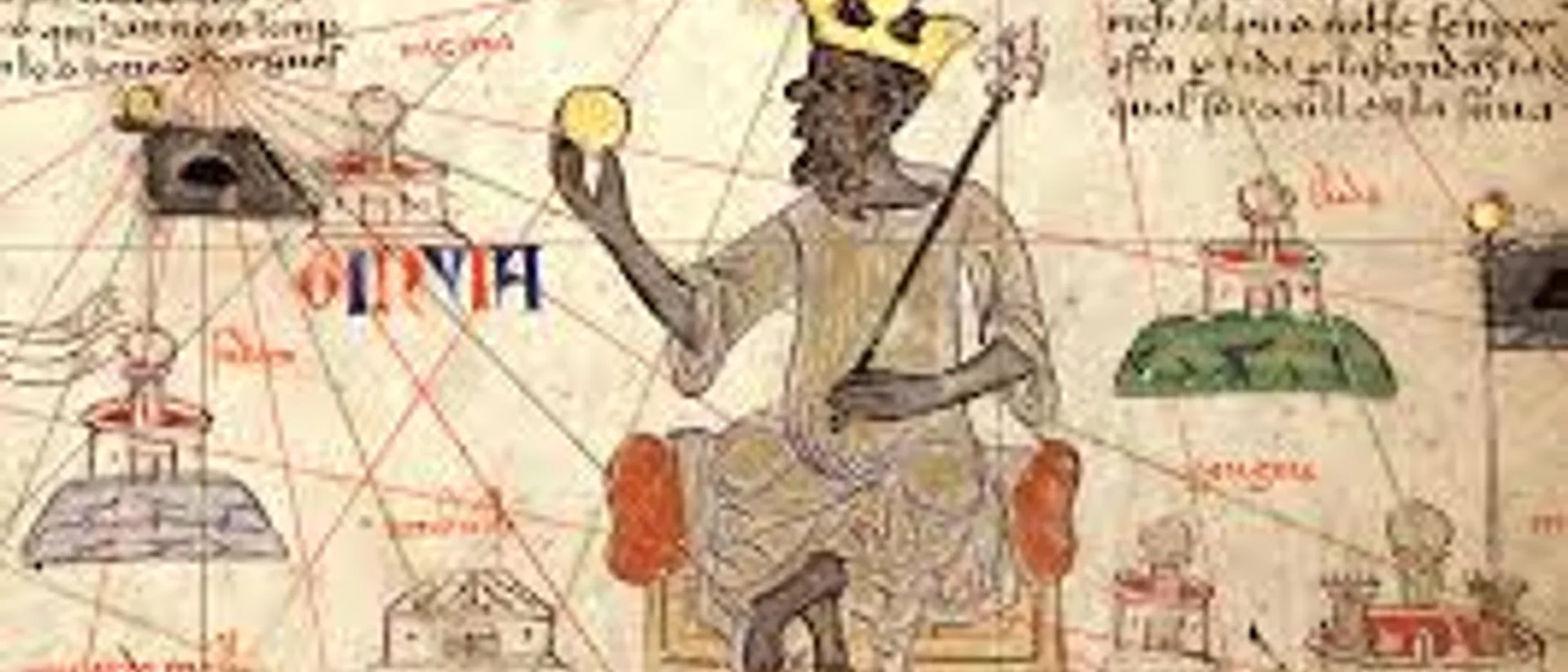
Mansa Musa appears on the famous 1375 Catalan Atlas, one of the most important maps of the medieval world, depicted sitting on a throne holding a gold nugget. The image introduced him to European audiences and cemented West Africa's reputation as a land of almost incomprehensible wealth.
He died around 1337. The Mali Empire gradually declined after his death, but Mansa Musa's pilgrimage remains one of the most extraordinary displays of wealth in recorded history — and a reminder that even generosity, at sufficient scale, can be destructive.
Enjoyed this? Get a new fact every morning.
A fascinating fact in your inbox every morning. Free. Unsubscribe anytime.
Frequently Asked Questions
Was Mansa Musa really the richest person in history?
Did Mansa Musa really crash Egypt's economy?
How many people traveled with Mansa Musa?
When did Mansa Musa live?
Verified Fact
This fact has been reviewed and verified against original sources.
Source: View sourceShow verification details
Mansa Musa (c.1280-1337) ruled the Mali Empire. His 1324 hajj is documented by contemporary Arab historians including al-Umari, who interviewed Egyptian officials about the visit. The caravan size (60,000 men) comes from al-Umari's account.