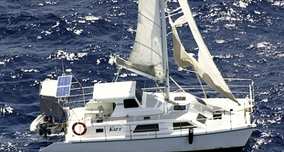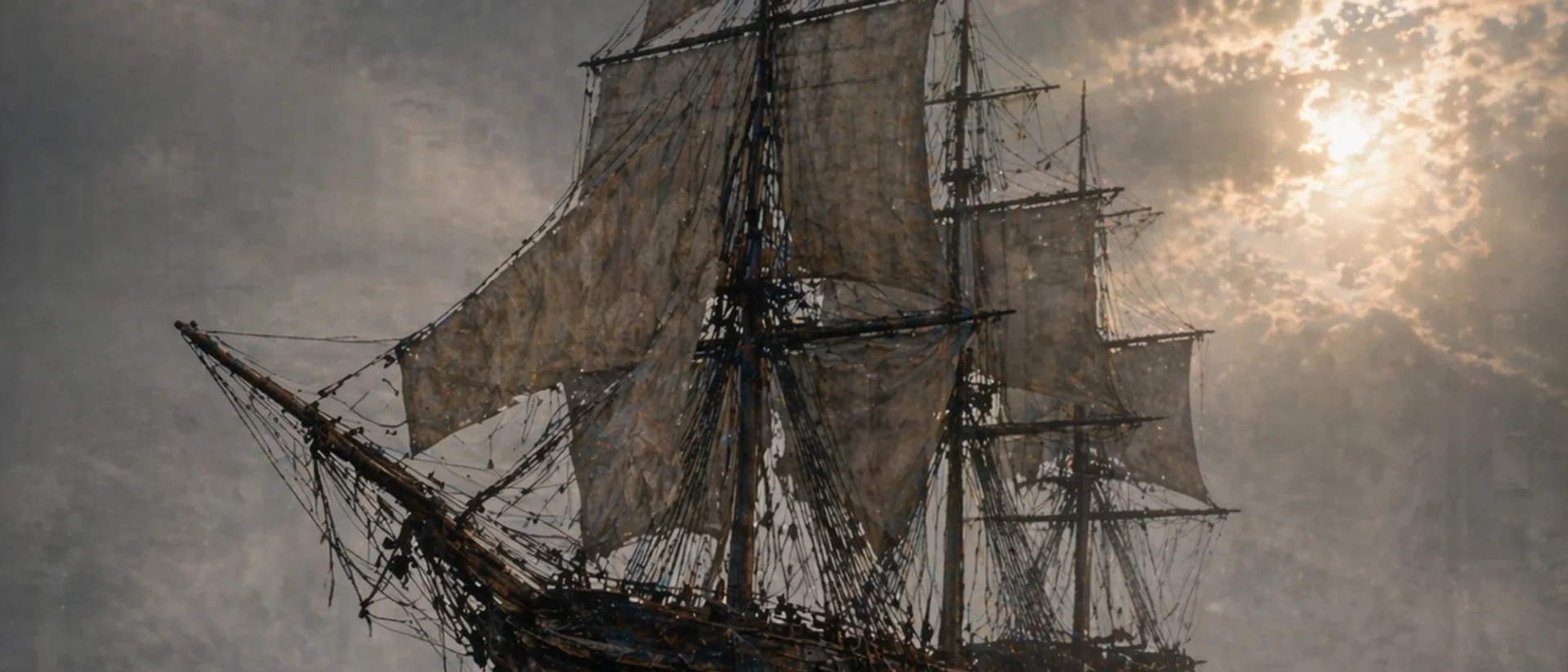
On December 5, 1872, sailors spotted the Mary Celeste drifting in the Atlantic with nobody aboard. The ship was seaworthy, her cargo of 1,701 barrels of alcohol mostly intact, and a six-month supply of food untouched. The captain, his wife, their 2-year-old daughter, and seven crew had vanished. 153 years later, nobody knows where they went.
The Ghost Ship That Was Never Solved
She was sailing herself. Sails partly set, wheel unmanned, cabin doors swinging open with the swell. The Dei Gratia crew watched her for two hours before they believed what they were seeing.
Ten People, One Ordinary Voyage
The Mary Celeste left New York on November 7, 1872, bound for Genoa. Captain Benjamin Briggs was a Massachusetts man with a clean record and two decades at sea. He brought his wife Sarah and their two-year-old daughter Sophia. Seven experienced sailors rounded out the crew. Her hold carried 1,701 barrels of industrial alcohol for Italian fortified wine production. Nothing about the manifest or the passenger list hinted at what was coming.
Eight Days Overdue
On December 5, about 400 miles east of the Azores, the British brig Dei Gratia sighted a vessel moving oddly on the horizon. Her sails were set for a course she was not holding. Captain David Morehouse sent three men across in a small boat. They boarded a ship that was in almost perfect order. The galley was tidy, the crew's sea chests untouched, the chronometer and sextant missing, and a six-month supply of food and fresh water still below decks. The only lifeboat was gone. The last log entry was November 25, 10 days earlier, when the ship was near the island of Santa Maria in the Azores.
The Gibraltar Hearing
The Dei Gratia sailed the Mary Celeste 800 miles to Gibraltar to claim salvage. Attorney General Frederick Solly-Flood ran the inquiry for three months and suspected mutiny, piracy, even collusion between the two crews. He found no blood, no weapons, no sign of struggle. The court eventually awarded the Dei Gratia a salvage fee, but it was a fraction of what they expected. The judge wrote that the case was "unprecedented in the annals of the Vice-Admiralty Court."
Theories That Refuse to Stick
Waterspout. Seaquake. Alcohol fumes leaking from the hold and panicking the crew into the lifeboat. Pirates. Insurance fraud. Each theory explains some details and contradicts others. When the cargo was unloaded in Genoa, nine barrels were found empty, all of them made from red oak instead of the more airtight white oak. Chemists now believe rumbling barrels could have vented enough vapour to trigger a flash explosion, sending everyone into the lifeboat, which then drifted away. Plausible, but unprovable.
She Kept Sailing
The Mary Celeste herself had an unhappy career even before that voyage. She was launched in Nova Scotia in 1861 as the Amazon, damaged repeatedly, and renamed after an American buyer rebuilt her. After Gibraltar she passed through 17 more owners in 12 years, each complaining she was cursed. In 1885 her final captain deliberately wrecked her on a Haitian reef in a crude insurance fraud. The scheme failed. The ship did not.
Still Nothing
No body was ever found. No lifeboat washed ashore. None of the ten people on board was ever identified, alive or dead, anywhere in the world. The Mary Celeste remains the most famous unsolved disappearance in maritime history, and after 153 years, she is likely to stay that way.
Frequently Asked Questions
What happened to the Mary Celeste crew?
When was the Mary Celeste found?
What was the Mary Celeste carrying?
Who was Captain Benjamin Briggs?
What is the most likely explanation for the Mary Celeste?
Was the Mary Celeste called anything else?
Verified Fact
Verified Aug 26, 2026 · 5 sources checked
Source: Smithsonian MagazineShow verification details
Claims checked
- Discovery date December 5, 1872
- Ten people aboard, including captain, wife, 2-year-old daughter, and 7 crew
- Cargo of 1,701 barrels of alcohol mostly intact, six-month food supply untouched
- Ship found seaworthy, lifeboat missing
- Rescuing ship Dei Gratia corrected to British-registered (was called Canadian in earlier version)
Sources: Smithsonian Magazine, Britannica, History.com, Wikipedia, maryceleste.net