The US Army once bombed a volcano to save a town. In 1935, lava from Mauna Loa crept toward Hilo's water supply, and Army biplanes dropped twenty 600-pound bombs on the flow. The eruption ended within a week, though geologists doubt the bombs did it. One squadron on the raid already had a patch of bombs falling on a volcano, approved four years earlier. Its B-52 crews still wear it.
The Army Bombed a Volcano to Save Hilo
In late 1935, a river of lava from Mauna Loa was creeping toward the town of Hilo at about a mile a day. The Army's answer was to send bombers.
A Mile a Day Toward Hilo
Mauna Loa began erupting on November 21, 1935. Six days later a new vent opened on its northern flank, and the lava flowed toward Hilo.
The town had roughly 15,000 residents, and the flow threatened to reach the headwaters of the Wailuku River, which supplied their water.
Thomas Jaggar, founder of the Hawaiian Volcano Observatory, had an idea. Bombs set off near the vent, he reasoned, would collapse the lava channels and divert the flow.
He took the plan to the Army and asked Lt. Col. George S. Patton for planes. Patton directed the bombers the next day, according to the Smithsonian.
Ten Bombers From Oahu
On December 26, six Keystone B-3A bombers of the 23rd Bombardment Squadron and four LB-6 light bombers of the 72nd flew from Luke Field on Oahu to Hilo.
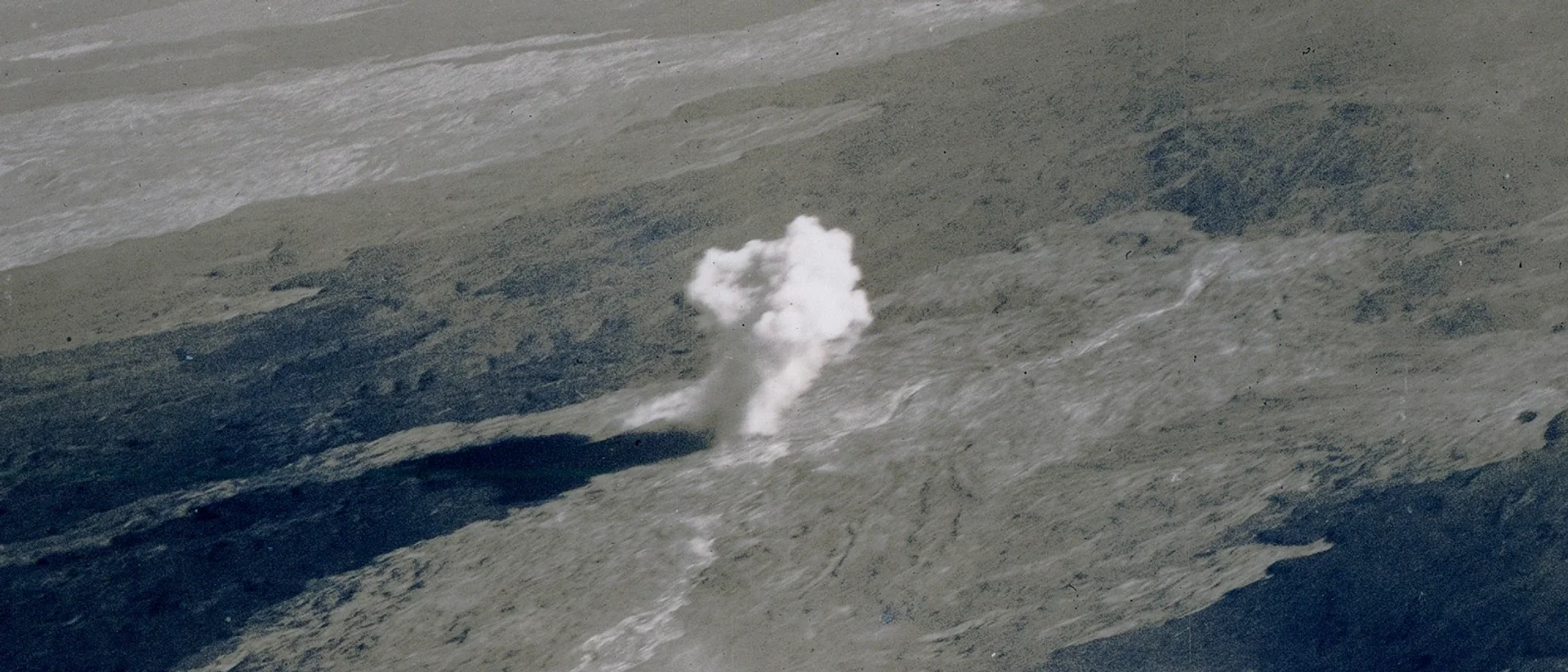
The next day the bombers dropped twenty 600-pound demolition bombs on the lava channels, along with smaller pointer bombs used for aiming, according to the National Park Service.
The Smithsonian's Air & Space Quarterly reports that fifteen of the demolition bombs landed on the margins of the flow and five scored direct hits.
Did It Work?
The eruption ended six days after the bombing. Jaggar judged the raid a success.
Howard Stearns, a US Geological Survey geologist who rode in the last plane, was not convinced. He called the timing a coincidence.
The National Park Service says whether the bombing stopped the flow remains unknown, and many geologists now doubt it did. The flow waned over several days rather than stopping at once.
The Patch That Got There First
The 23rd Bombardment Squadron's emblem is a blue disk with a black volcano, red lava and five black bombs falling toward it. Air Force records list it as approved on September 30, 1931, four years before the raid. The Air Force reinstated the design on January 13, 1994.
Sources disagree about what it means. The entry attached to the Air Force image says the design commemorates the mission. HistoryNet reports that it predates the raid and was intended to symbolize the unit's proximity to Mauna Loa as well as its firepower.
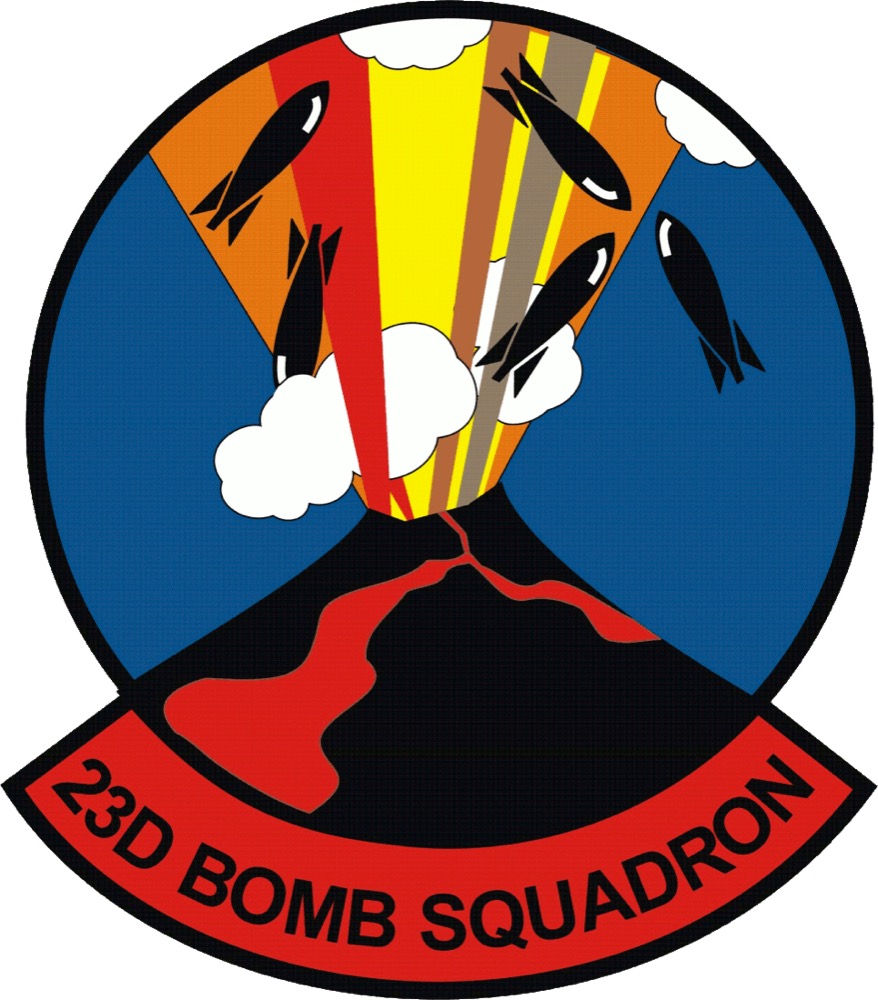
Today the unit is the 23rd Bomb Squadron of the 5th Bomb Wing at Minot Air Force Base in North Dakota, and it flies the B-52H Stratofortress. A 2025 Smithsonian piece says the patch, bombs falling on an erupting volcano, is worn today by members of the squadron.
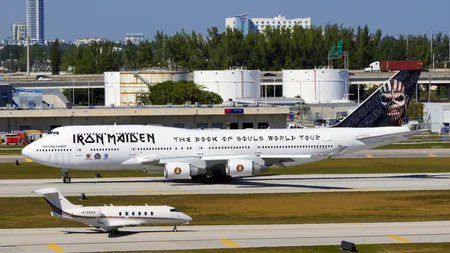
The squadron has not forgotten Hilo. For the 80th anniversary in December 2015, two B-52s of the squadron flew a heritage flyover of Mauna Loa.
Source:National Park Service
Enjoyed this fact?
Be the first to love this
Get a new fact every morning.
A fascinating fact in your inbox every morning. Free. Unsubscribe anytime.
Frequently Asked Questions
Did the US Army really bomb Mauna Loa?
Did bombing the lava flow stop it?
Why did the Army bomb the volcano?
What is the 23rd Bomb Squadron patch?
Does the 23rd Bomb Squadron still exist?
Verified Fact
Verified Oct 23, 2026 · 5 sources checked
Source: National Park ServiceShow verification details
Claims checked
- Army bombers dropped twenty 600-pound demolition bombs on the Mauna Loa lava flow on December 27, 1935
- The flow threatened the Wailuku River headwaters that supplied Hilo's water
- The eruption ended six days later, and geologists doubt the bombs caused it
- The 23rd Bomb Squadron emblem of bombs falling on a volcano was approved in 1931, before the raid
- The squadron now flies B-52s from Minot and the patch is worn today
Sources: National Park Service, Smithsonian Air & Space Quarterly, HistoryNet, Minot Daily News, USAF squadron records
Related Topics
More from History & Culture
View all History & Culture →