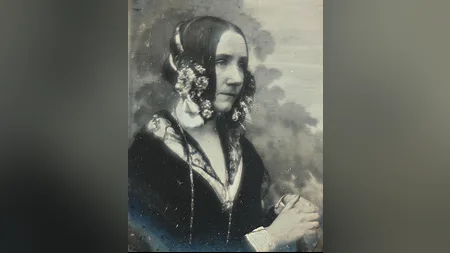
New Zealand was the first self-governing country in the world to grant all women the right to vote in national elections, in 1893.
New Zealand: Where Women Voted First
On September 19, 1893, New Zealand's governor signed the Electoral Act into law, and with that signature, the country became the first self-governing nation on Earth where women could vote in national elections. It was a Tuesday. By the following month, nearly 90% of eligible women had registered.
The Petition That Changed Everything
The victory came after years of relentless campaigning by suffragist Kate Sheppard and her allies. Their secret weapon? Petitions. Massive ones.
The final petition in 1893 stretched nearly 300 meters long and contained over 25,000 signatures—representing almost a quarter of all adult women in the country. When it was unrolled across the floor of Parliament, even opponents had to admit the movement couldn't be ignored.
Not Without a Fight
The bill to grant women's suffrage had failed twice before. Liquor industry lobbyists fought particularly hard against it—they feared (correctly) that women voters would support prohibition measures. Premier Richard Seddon publicly supported women's suffrage but privately tried to sabotage it.
The final vote was nail-bitingly close. Two members of the upper house who had previously opposed the bill switched their votes at the last minute, and it passed 20 to 18.
A Global Ripple Effect
New Zealand's success energized suffrage movements worldwide:
- Australia followed in 1902 (though Indigenous women had to wait until 1962)
- Finland became the first European country in 1906
- The United Kingdom granted equal voting rights in 1928
- The United States passed the 19th Amendment in 1920
- France didn't give women the vote until 1944
- Switzerland held out until 1971
The Fine Print
There was one catch. While New Zealand women could vote in 1893, they couldn't actually run for Parliament until 1919. Elizabeth McCombs became the first woman elected to New Zealand's Parliament in 1933—forty years after women first cast ballots.
Still, what happened on that Tuesday in September 1893 was revolutionary. In an era when women in most countries couldn't own property, sign contracts, or keep their own wages, New Zealand declared that women's voices belonged in democracy.
Kate Sheppard's face now appears on New Zealand's ten-dollar note. Every time someone buys a coffee with cash in Auckland or Wellington, they're holding a small reminder of the day a petition 300 meters long changed history.
Frequently Asked Questions
When did New Zealand give women the right to vote?
Why was New Zealand the first country to let women vote?
Who was Kate Sheppard?
Could New Zealand women run for office in 1893?
Which countries gave women the vote after New Zealand?
Verified Fact
This fact has been reviewed and verified against original sources.
Show verification details
Corrected to specify 'national elections' and 'self-governing country' for accuracy.
Related Topics
More from History & Culture
View all History & Culture →