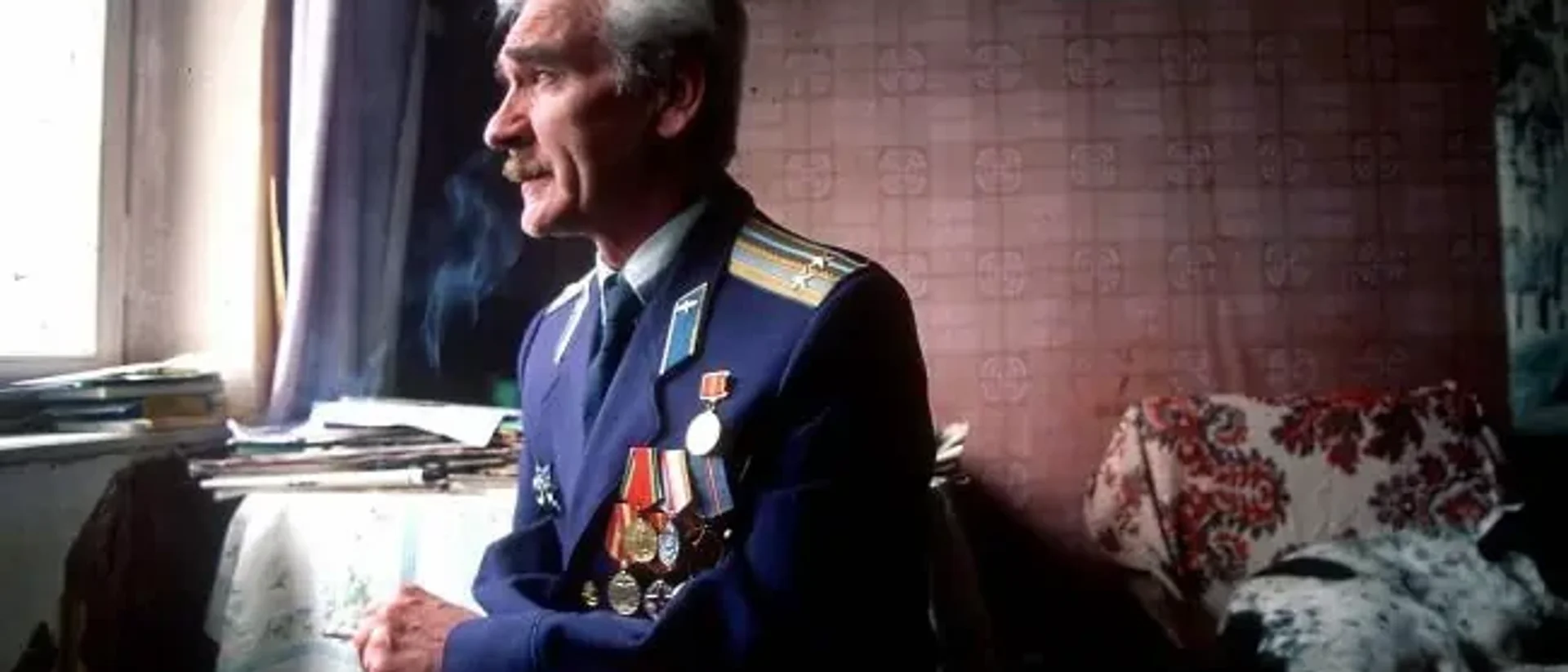
On September 26, 1983, Soviet Lt. Col. Stanislav Petrov was alone at a nuclear command bunker when the early-warning system showed 5 American missiles inbound - confidence level: HIGHEST. Protocol demanded he report up the chain immediately. He decided the computer was wrong and reported a false alarm instead. The USSR reprimanded him for the paperwork.
The Man Who Called It a False Alarm
In the early hours of September 26, 1983, a Soviet officer sat alone at a command console and made a decision that every human being alive today owes their life to. He did not hesitate in the heroic sense. He sweated, reasoned, and chose to disbelieve a machine that was screaming at him.
The Bunker Beneath Moscow
Lt. Col. Stanislav Yevgrafovich Petrov, 44 years old, was the duty officer at Serpukhov-15, the Soviet Union's satellite-based nuclear early-warning command post south of Moscow. The year was 1983. Cold War tension had reached a breaking point: weeks earlier, Soviet fighters had shot down Korean Air Lines Flight 007, killing all 269 aboard. President Reagan had called the USSR an "evil empire." NATO was preparing war-game exercises. Both sides had their fingers close to the button.
Five Missiles on the Screen
At 12:15am, the Oko satellite warning system triggered an alarm. One Minuteman ICBM, the system reported, had been launched from the United States. Then another. Then another. By the time the count reached five, sirens were screaming and the confidence indicator read HIGHEST. The protocol was clear: report to superiors immediately. Military leadership would have minutes to decide whether to launch a full retaliatory strike. Mutual Assured Destruction would begin. The silence that followed would never come.
The Reasoning That Saved the World
Petrov froze - then thought. He later described his logic this way: if the United States were truly initiating a nuclear first strike, they would launch hundreds of missiles simultaneously, not five. Five was not a war. Five was a glitch. The Oko system was also relatively new, and Petrov - trained as an engineer - did not fully trust it. Ground-based radar showed nothing. He picked up the phone and reported a system malfunction: false alarm.
What the Satellites Had Seen
Investigation later determined the Oko satellites had detected sunlight reflecting off high-altitude clouds above North Dakota - the angle created by the Molniya orbital geometry caused the satellite sensors to misread the reflections as missile exhaust plumes. It was a known flaw, corrected afterwards by cross-referencing geostationary satellite data. Petrov had been right. No missiles had been launched. No one had died.
A Reprimand, Not a Medal
The Soviet Union did not reward him. His superiors could not officially recognize Petrov without also having to punish the scientists who built the system that failed. He received a reprimand for improper paperwork - he had not recorded the incident in the war diary as regulations required. He was quietly transferred to a less sensitive post and retired from the military in 1984. The incident was classified for nearly a decade.
The World Finds Out
The story emerged publicly in 1998, when his former commander published a memoir describing the event. Petrov eventually received belated recognition: in January 2006, he traveled to the United Nations in New York, where he was honored with the World Citizen Award. The 2014 documentary The Man Who Saved the World, directed by Peter Anthony, brought his story to a global audience. He died at home on May 19, 2017, aged 77, from pneumonia. His neighbors only discovered he had passed away weeks later. The man who may have saved billions of lives died as quietly as he had lived.
Enjoyed this? Get a new fact every morning.
A fascinating fact in your inbox every morning. Free. Unsubscribe anytime.
Frequently Asked Questions
Who was Stanislav Petrov?
What happened during the 1983 Soviet nuclear false alarm?
Why did Petrov decide the alert was a false alarm?
Was Stanislav Petrov rewarded for his decision?
When did Stanislav Petrov die?
Verified Fact
Verified May 19, 2017 · 1 sources checked
Source: WikipediaShow verification details
Claims checked
- Incident date Sep 26, 1983, with 5 missiles detected
- Cause was sunlight on clouds over North Dakota, not Montana
- Petrov reported false alarm, was reprimanded for paperwork
Sources: Wikipedia