
📅This fact may be outdated
The information in this fact was accurate when published but may have changed since then.
There's an Iranian man who hasn't washed for over 60 years and smokes animal faeces.
Amou Haji: The Man Who Feared Soap for 60 Years
For over six decades, Amou Haji lived by a simple rule: stay away from soap and water at all costs. The Iranian hermit, who called the village of Dezh Gah in Fars Province home, believed that cleanliness would make him sick. So he didn't bathe. For 60 years.
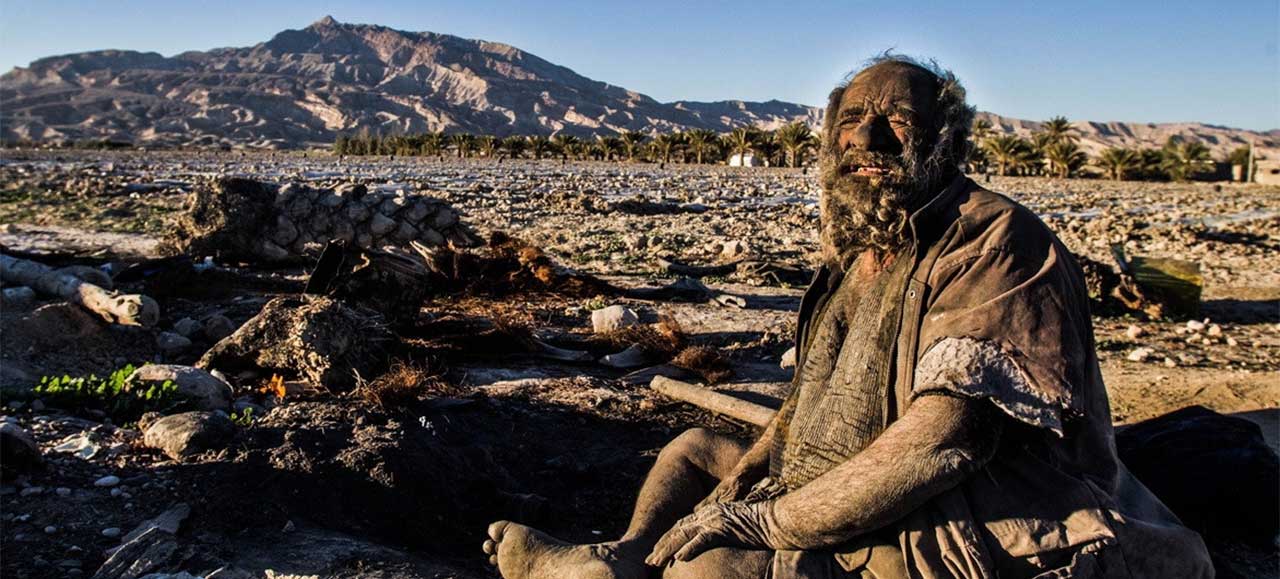
His lifestyle choices went far beyond skipping showers. Haji ate rotting porcupine meat he scavenged, drank water from rusty oil cans and puddles, and lived in a dirt hole he'd dug himself (though villagers eventually built him a cinder block shelter). His smoking habit? Animal dung in an old pipe. By all conventional measures, this shouldn't have worked. Yet Haji lived to 94.
The Psychology Behind the Grime
According to reports, Haji turned to this extreme lifestyle after suffering "emotional setbacks" in his youth—a heartbreak so profound it drove him to isolation. His fear of water and soap became all-consuming. Villagers who knew him described a man who would become genuinely distressed if anyone tried to clean him.
This wasn't just eccentricity. Haji's behavior showed signs of what psychologists might recognize as severe mental health struggles, possibly obsessive-compulsive disorder with an inverted manifestation—instead of compulsive cleaning, compulsive avoidance.
A Life of Extremes
Photos of Haji show a man whose skin had turned gray and leathery, caked with decades of accumulated dirt and soot. His hair was matted, his clothes were rags, and he looked like he'd emerged from another century. Yet he was, by accounts, physically healthy for most of his life.
- He ate carrion and rotting meat without apparent illness
- His immune system adapted to an environment that would hospitalize most people
- He survived extreme temperatures in his outdoor dwelling
- Local doctors noted he had no major diseases despite his lifestyle
Scientists have speculated that his microbiome—the ecosystem of bacteria on his skin and in his gut—may have adapted so thoroughly to his extreme conditions that he'd essentially become a different biological experiment.
The Tragic Irony
In October 2022, after decades of resistance, Haji finally bathed. Villagers had been trying to convince him for years, and he eventually relented. A few months later, at age 94, he died.
The timing sparked inevitable speculation: did breaking his 60-year streak kill him? Medical experts suggest the connection is likely coincidental. At 94, Haji was already at an advanced age, and any number of factors could have contributed to his death. Still, the irony isn't lost—the bath he feared for six decades came right before the end.
The World's Dirtiest Man?
Haji earned international media attention as the "world's dirtiest man," though that title is impossible to verify and somewhat beside the point. What made his story compelling wasn't the spectacle but the why—how does a human being end up living this way?
His story intersects psychology, biology, and the question of what happens when someone completely opts out of social norms. Haji wasn't harming anyone. He lived on the margins by choice, following rules that made sense only to him. The villagers of Dezh Gah didn't ostracize him; they built him shelter and let him be.
In his own way, Amou Haji lived exactly as he wanted—right up until the moment he didn't. Whether that final bath was surrender, evolution, or simply exhaustion, we'll never know. But for 60 years, he proved that the human body can adapt to almost anything, even choices that seem impossible to survive.