In 1982, Air Florida Flight 90 crashed into the frozen Potomac River in Washington. A rescue helicopter lowered a lifeline to the survivors clinging to the wreck. Passenger Arland Williams caught it and handed it to the stranger beside him. He did it again and again, each time to someone else. When the helicopter came back for him, he had slipped beneath the water. The bridge the plane struck now bears his name.
The Man Who Passed the Lifeline Five Times
On January 13, 1982, Air Florida Flight 90 barely cleared the runway at Washington National Airport before clipping the 14th Street Bridge and plunging into the frozen Potomac River. Of the 79 people on board, only six initially survived, clinging to the wreckage of the plane's tail section in water barely above freezing.
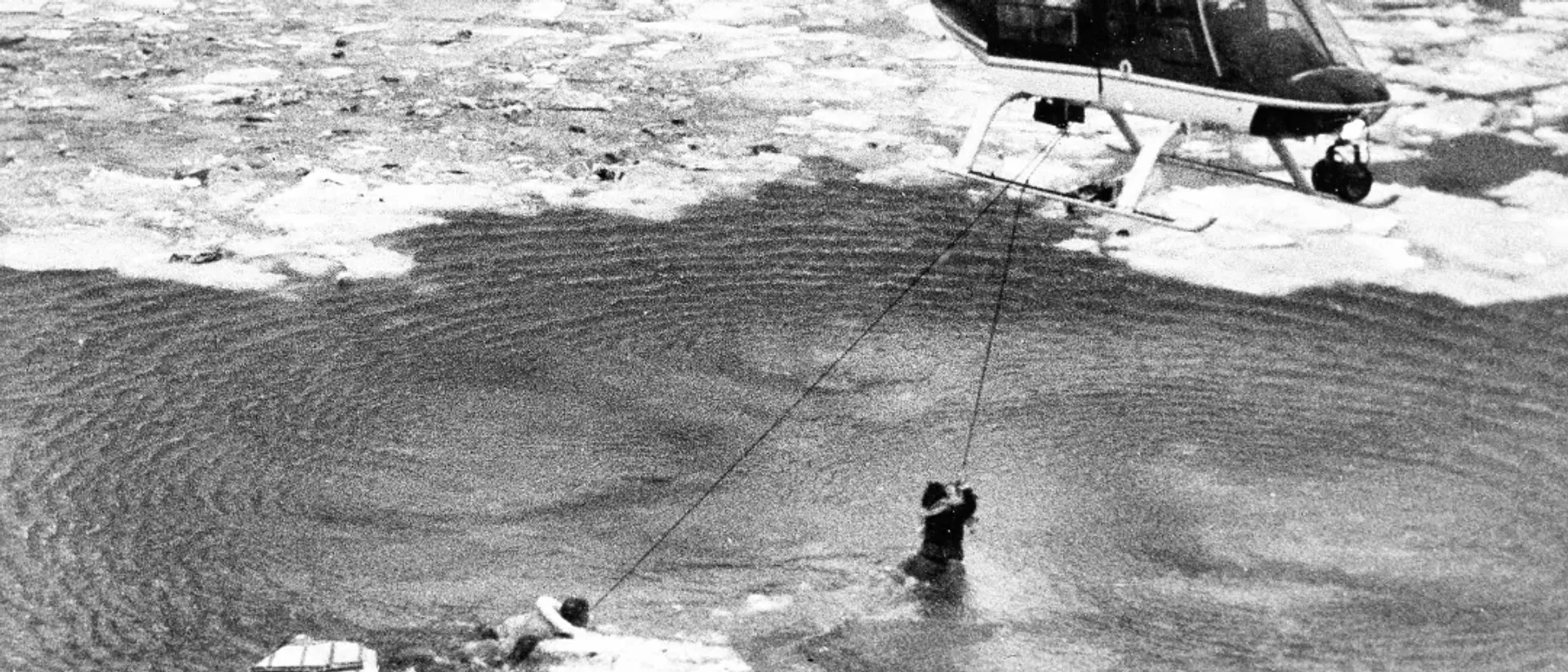
About 20 minutes after the crash, a U.S. Park Police helicopter arrived, lowering a rope and lifeline to the survivors. What happened next became one of the most extraordinary acts of selflessness in American history. Arland D. Williams Jr., a 46-year-old federal bank examiner from Atlanta, caught the lifeline each time it reached him - and again and again, passed it to someone else instead of himself.
Williams could not have known whether the helicopter would return fast enough. He could not have known how long his body would hold out in the 34-degree water. He only knew that someone else was closer to death than he was - and he acted on that belief again and again. When the helicopter came back for him, the wreckage had shifted and Williams had slipped beneath the surface. His cause of death was listed as drowning - the only passenger whose death was attributed to drowning rather than impact.
On the shore, another act of heroism was unfolding.
Priscilla Tirado, one of the survivors, was too weak to hold onto the helicopter's lifeline and fell back into the river. Lenny Skutnik, a 28-year-old Congressional Budget Office employee who had been watching from the bank, stripped off his coat and boots and dove into the icy water in his shirt sleeves. He swam to Tirado and pulled her to safety. A separate bystander, Roger Olian, had also entered the water earlier in a desperate attempt to reach survivors, though he was driven back by the cold.
The aftermath reshaped Washington in lasting ways. The damaged span of the 14th Street Bridge was renamed the Arland D. Williams Jr. Memorial Bridge. Investigators did not confirm that the man in the water was Williams until about a year and a half later. In June 1983, his 17-year-old daughter and 16-year-old son were in the Oval Office with President Reagan to accept the Coast Guard Gold Lifesaving Medal awarded to him posthumously. Skutnik and fellow bystander Roger Olian received the same medal, and Reagan invited Skutnik to the State of the Union address on January 26, 1982, where he sat in the gallery beside Nancy Reagan and was singled out during the speech. He is widely credited as the first ordinary citizen honored that way.
That gesture created an enduring tradition. Presidents have seated civilian heroes and ordinary citizens in the gallery for almost every State of the Union since. In Washington political circles, these guests are still called "Skutniks" - a term still used in political journalism more than four decades later. One plane crash on a frozen river produced two of the most powerful symbols of civilian courage in modern American history.
Source:Wikipedia
Enjoyed this fact?
Be the first to love this
Get a new fact every morning.
A fascinating fact in your inbox every morning. Free. Unsubscribe anytime.
Frequently Asked Questions
How many people survived the Air Florida Flight 90 crash?
What does the term Skutnik mean in politics?
What happened to the 14th Street Bridge after the crash?
Who was Arland Williams?
Verified Fact
4 sources checked
Source: WikipediaShow verification details
Claims checked
- Williams, trapped in his seat, kept handing the rescue lifeline to others and drowned
- The exact number of times he passed the line
- Lenny Skutnik pulled Priscilla Tirado from the 34-degree water
- Skutnik honored at the 1982 State of the Union (was every year)
- Gallery guests are still called Skutniks
- The crash-site bridge span was renamed for Williams
Sources: Wikipedia, Federal Reserve Bank of Atlanta, The Citadel
Related Topics
More from People & Mind
View all People & Mind →