Dashrath Manjhi carved a road through a rocky hill in Bihar, India, using only a hammer and chisel - alone - for 22 years. When he finished in 1982, the journey from his village to the nearest town dropped from 55 km to 15 km. He started because his wife, Falguni, died in 1959 after a fall on the ridge path left her unable to reach a doctor in time. The road is still used today.
The Man Who Carved a Road Through a Mountain
In 1960, a laborer in rural Bihar picked up a hammer and chisel and began carving a path through a rocky hill. He worked alone. Villagers laughed. He kept going for 22 years.
A Village Cut Off
Gehlaur, a small village near Gaya in the Indian state of Bihar, sat on one side of a rocky hill. The nearest town, hospitals, and schools were on the other side. Getting there meant a journey of 55 kilometres - a detour forced entirely by a single ridge of rock. For the poor of Gehlaur, that distance was the difference between life and death.
Why He Started
In 1959, Dashrath Manjhi's wife Falguni Devi was injured after a fall on the narrow ridge path. The nearest doctor was many kilometres away, and she could not reach help in time. She died from her injuries. The following year, Dashrath Manjhi did something the village had never seen: he bought a hammer and chisel and walked to the hill. He was not an engineer. He had no dynamite, no machinery, and no funding. He had a plan to cut a road straight through the rock.
22 Years, Alone
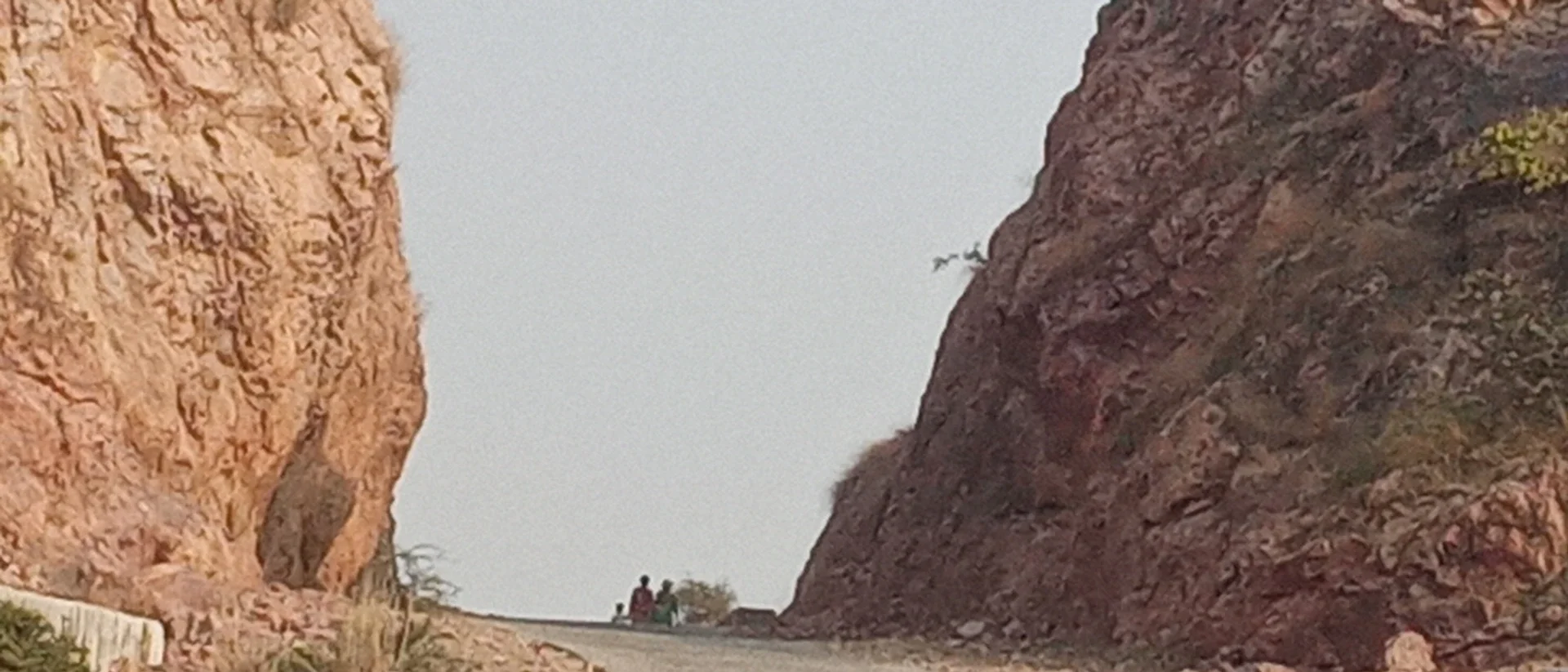
Manjhi worked on the hill every day from 1960 to 1982. He carved a passage 110 metres long, 9 metres wide, and nearly 8 metres deep through solid rock. Neighbours thought he had lost his mind. Local landowners occasionally tried to stop him. He sold his goats to buy better tools. The state government ignored his requests for help. He kept going anyway, eating little, working long hours, chipping stone by hand.
What the Road Changed
When Manjhi finished in 1982, the journey between Gehlaur and the nearest town dropped from 55 km to 15 km. Children could reach school. Farmers could reach markets. Villagers with medical emergencies could reach a doctor. The road he cut by hand - 110 metres through a hill that had blocked a community for generations - is still in use today. The government eventually paved it.
Recognition, Late and Small
Dashrath Manjhi spent decades trying to get the government to widen and properly surface the path. He walked to Delhi to petition officials. In 2006, Bihar's Chief Minister Nitish Kumar awarded him formal recognition. Manjhi died on 17 August 2007 from gallbladder cancer - but not before seeing the road he built become famous. The Government of Bihar gave him a state funeral. India Post issued a postage stamp in his honour in 2016. In 2015, a Bollywood film - Manjhi: The Mountain Man - brought his story to millions more. The carved road remains. The hill still bears the mark of one man with a hammer and a reason.
Frequently Asked Questions
How long did Dashrath Manjhi spend carving the road?
How much did Manjhi's road reduce the journey distance?
Why did Dashrath Manjhi carve the road?
What tools did Dashrath Manjhi use to carve the road?
Is Dashrath Manjhi's road still used today?
Verified Fact
Verified Jun 17, 2026 · 3 sources checked
Source: WikipediaShow verification details
Claims checked
- Carved road alone with hammer and chisel over 22 years (1960-1982)
- Reduced travel distance from 55 km to 15 km
- Wife Falguni Devi injured on path in 1959, died unable to reach doctor
- Road still in use; government recognition and film, stamp, and state funeral documented
Sources: Wikipedia, The Better India, The Eastern Roots Media
Related Topics
More from People & Mind
View all People & Mind →