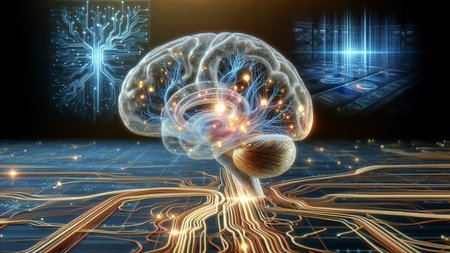
Our brains have a negativity bias and will remember bad memories more than good ones.
Why Your Brain Remembers the Bad More Than the Good
Ever wonder why that one embarrassing moment from high school still feels fresh, while countless happy memories blur into a pleasant haze? You're not alone. Our brains are hardwired with a phenomenon known as the negativity bias, a powerful cognitive quirk that makes us pay more attention to, and remember more vividly, negative experiences compared to positive ones.
This isn't a sign of pessimism, but rather a deeply ingrained survival mechanism. From an evolutionary standpoint, threats posed a far greater risk to our ancestors' survival than opportunities for pleasure. A rustle in the grass could mean danger, while a bountiful berry bush was merely a bonus. This acute sensitivity to potential harm was crucial for staying alive, and our brains evolved to prioritize it.
The Brain's Alarm System
At the heart of the negativity bias lies the amygdala, often dubbed the brain's 'alarm bell.' This almond-shaped region of the brain is particularly responsive to negative emotions and uses a significant portion of its neurons to actively scan for perceived threats. When something negative occurs, the amygdala springs into action, ensuring that the experience is quickly encoded and stored in memory.
Studies using brain imaging have shown that negative images and stimuli produce a much stronger electrical response in the cerebral cortex compared to positive or neutral ones. This indicates a greater neural processing effort dedicated to negative information, effectively stamping it more firmly into our minds. It's like your brain has a spotlight that shines extra brightly on anything it perceives as potentially harmful.
Why Bad News Travels Fast (and Stays Longer)
The hippocampus, vital for memory formation, works in conjunction with other brain areas to solidify these negative recollections. This means that insults often resonate more than praise, and a single critical comment can overshadow numerous compliments. Negative events are not just remembered; they are often recalled with greater detail and emotional intensity, influencing our future judgments and decisions more significantly.
This enhanced recall for negative experiences can shape our worldview, leading us to dwell on setbacks or perceived failures. It can even affect our self-esteem and overall outlook. For instance, children tend to exhibit this bias early on, recalling negative emotions more easily and forming negative trait inferences from fewer examples of bad behavior.
Rewiring for Resilience
While the negativity bias is a fundamental aspect of human cognition, it doesn't mean we're doomed to a life of dwelling on the bad. Understanding this bias is the first step towards mitigating its effects. We can actively work to counteract this natural inclination and foster a more balanced perspective.
- Mindful Awareness: Pay attention to your internal dialogue. Notice when negative self-talk or worries begin to dominate your thoughts.
- Shift Your Focus: Consciously look for and appreciate positive experiences, no matter how small. Practice gratitude by noting things you're thankful for.
- Growth Mindset: Reframe challenges and setbacks as opportunities for learning and growth, rather than as purely negative events.
- Positive Input: Seek out positive interactions, uplifting content, and supportive environments to balance the inevitable influx of negative information.
By actively engaging in these practices, we can begin to create new neural pathways, strengthening our ability to recall and appreciate positive memories. It's about giving your brain a more balanced diet of experiences, ensuring that the good things in life get their fair share of attention and remembrance.
Frequently Asked Questions
What is negativity bias?
Why does our brain have a negativity bias?
Which part of the brain is responsible for negativity bias?
Can I overcome negativity bias?
Does negativity bias affect my daily life?
Verified Fact
This fact has been reviewed and verified against original sources.
Related Topics
More from People & Mind
View all People & Mind →