
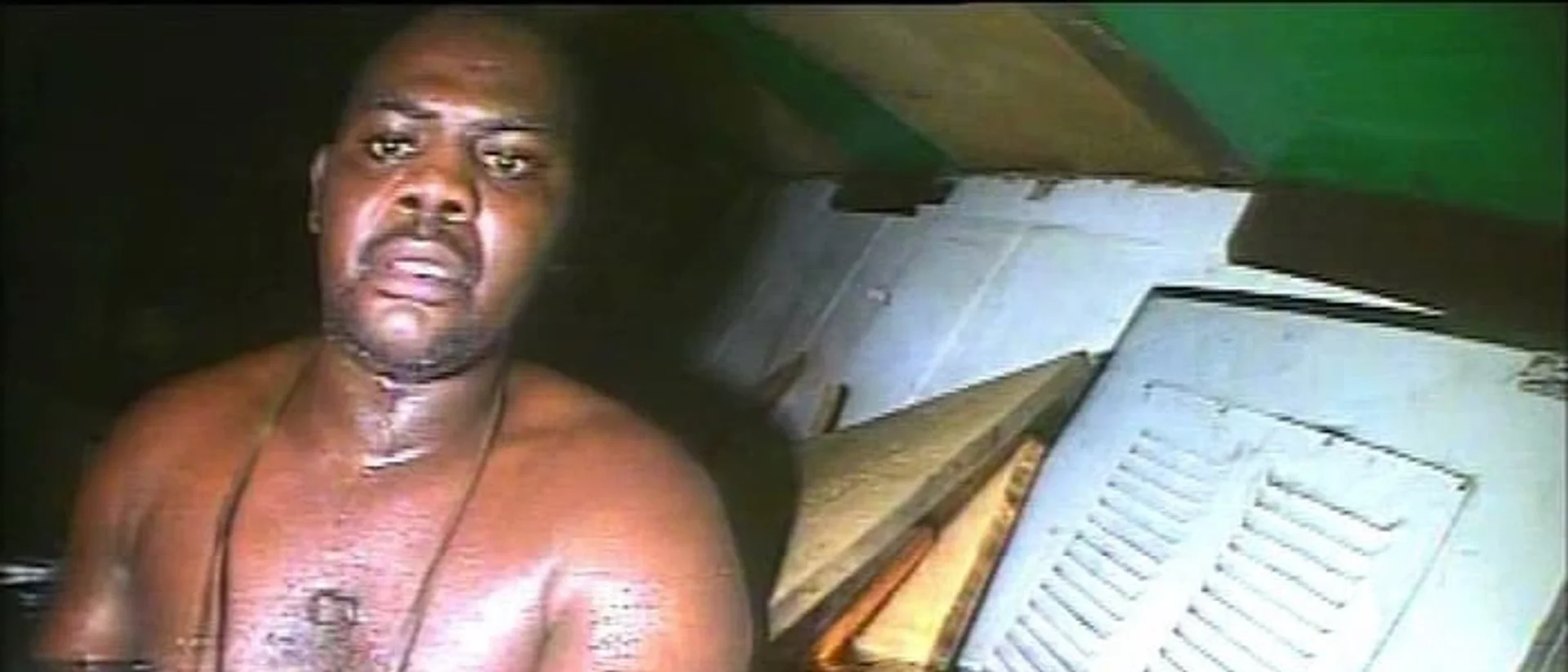
Harrison Okene was the ship's cook on the Jascon-4 when it capsized in 30 meters of water off Nigeria's coast in May 2013. All 11 of his crewmates died. He survived 60 hours alone in a 4-foot air pocket - in total darkness, in freezing water - before rescue divers arrived to collect bodies. When a diver swam through the flooded cabin with a headlamp, a hand reached out and grabbed him. Okene was alive.
He Survived 60 Hours at the Bottom of the Ocean
In May 2013, the tugboat Jascon-4 was struck by a large wave off the coast of Nigeria and capsized. Within minutes, the vessel sank to the seabed, 30 meters below the surface. All 12 crew members were thrown into the chaos of the flooding ship. Only one made it out alive - days later, reached by divers who had come to recover bodies, not survivors.
Sixty Hours in the Dark
Harrison Okene was the ship's cook. When the Jascon-4 flipped, he swam through flooded corridors in total darkness until he found a four-foot air pocket trapped in an upturned bathroom. He pulled wall panelling loose to use as a makeshift raft to stay above the freezing water. Then he waited. His 11 crewmates all died. Okene had no light, no food, no way to know if anyone was coming. The pressure at that depth meant the air he was breathing was slowly building toxic levels of carbon dioxide.
The Diver Who Found a Hand
Days after the sinking, Chevron dispatched a saturation diving team from DCN Global to the wreck. Their mission was to recover the crew's remains. When diver Nico van Heerden entered the flooded cabin with his headlamp, he expected to find another body. Instead, a hand reached out of the darkness and grabbed him. The moment was captured on his helmet camera. Okene - wrinkled, freezing, breathing the last of his air - had survived 60 hours at the bottom of the Atlantic.
The Rescue That Defied the Odds
Getting Okene out alive was not simple. After nearly three days at 30 meters depth, his body had absorbed nitrogen at three times normal atmospheric pressure. Bringing him straight to the surface would have killed him. Divers strapped him into equipment, guided him to a diving bell, and he then spent two more days in a decompression chamber before he could breathe normal air again.
He Went Back to the Sea
Rather than walk away from the ocean, Okene chose to face it directly: he trained and became a certified commercial diver. The helmet-cam footage of his rescue - released by DCN Global months after the incident - went viral worldwide and remains one of the most astonishing survival videos ever recorded.
Frequently Asked Questions
How long did Harrison Okene survive underwater?
Where was Harrison Okene trapped on the ship?
How deep was the Jascon-4 tugboat when it sank?
Did Harrison Okene become a diver after his rescue?
Was the Jascon-4 rescue captured on video?
Verified Fact
Verified Jun 17, 2026 · 6 sources checked
Source: gCaptainShow verification details
Claims checked
- Survived 60 hours in a 4-foot air pocket after capsizing
- Ship was Jascon-4; Okene was the cook
- Capsized in 30 meters of water, not 30 meters off shore
- All 11 crewmates died
- Cause changed to a large wave (was rogue wave)
Sources: gCaptain, Soundings Online, HistorySnob/HowAndWhys, MyModernMet, National Geographic, DetectiveTiger