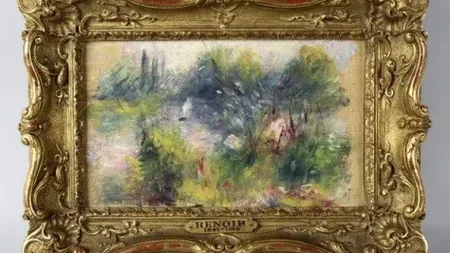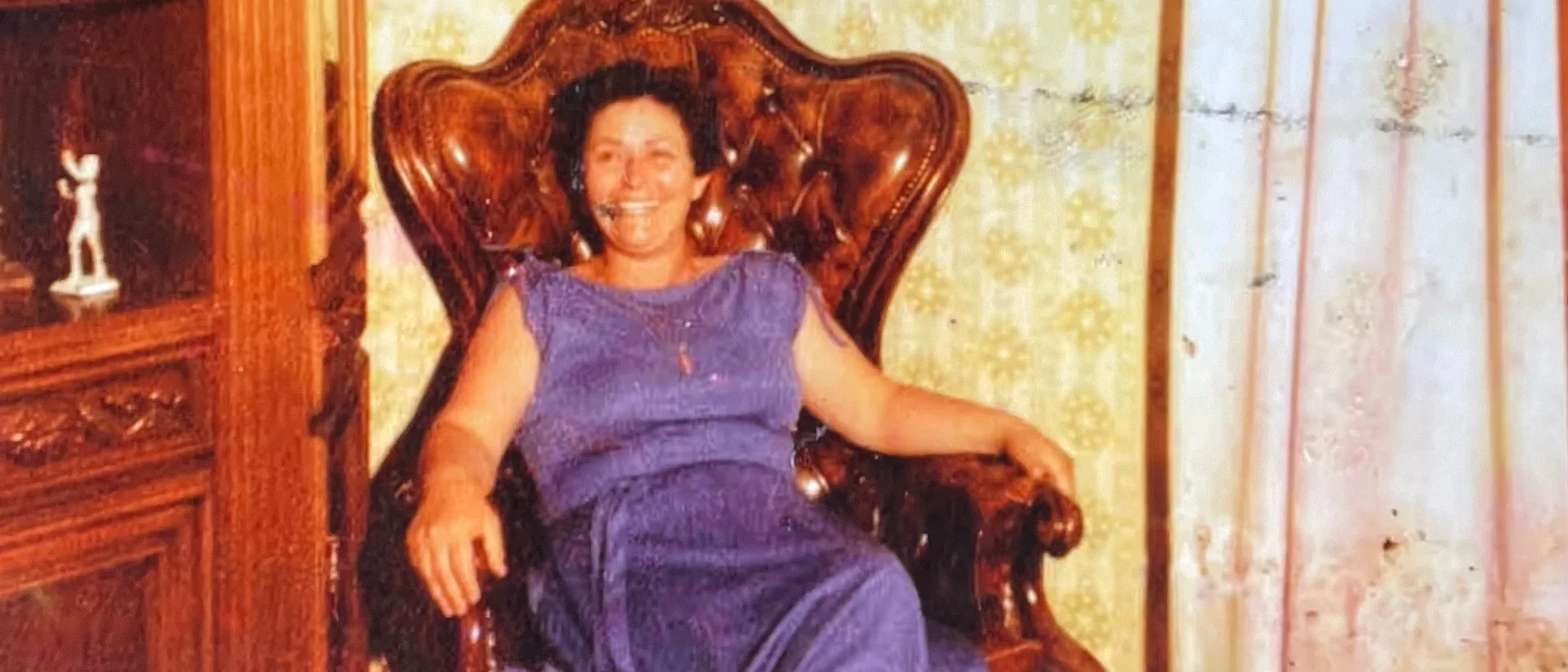
Luigi Lo Rosso, a junk dealer from Capri, found a rolled-up canvas in a villa cellar in 1962 and hung it in his family’s living room. His wife called it “horrible.” Experts now believe it may be a genuine Picasso - a portrait of Dora Maar created between 1930 and 1936 - and have valued it at up to €6 million.
Junk Dealer Found a Possible Picasso in a Cellar - Then Hung It in His Living Room for 50 Years
When Luigi Lo Rosso cleared out the cellar of a Capri villa in 1962, he found a rolled-up canvas with a signature in the top-left corner. He had no idea who “Picasso” was. So he took it home, stretched it over a cheap frame, and hung it on the wall.
The Painting That Nobody Wanted
For the next five decades, the canvas hung in the Lo Rosso family’s living room in Pompeii. Family members called it “horrible” - the asymmetrical, angular portrait of a woman struck them as ugly and strange. Luigi’s wife reportedly did not want it in the house. But Luigi kept it. It became known among the family simply as “the gouge” - a reference to the distorted shapes typical of the artist’s cubist style.
The Son Who Had a Hunch
In the 1980s, Andrea Lo Rosso - Luigi’s son - was flipping through an art history textbook when he stopped cold. A Picasso work in the book, Buste de femme Dora Maar, looked strikingly similar to the canvas on their wall. The family began a long and cautious investigation. At points, art historians told them the piece was not genuine. But some of those same experts then quietly offered to buy it - which made the Lo Rossos suspicious enough to register the work with Italy’s cultural heritage police and hold on.
What Experts Concluded in 2024
In September 2024, graphologist Cinzia Altieri - a forensic consultant at the Arcadia Foundation and a consultant to the Milan court - examined the signature. Her conclusion: “There is no doubt that the signature is his.” The Arcadia Foundation valued the painting at approximately €6 million (around $6.6 million), with the potential to reach €10-12 million if the Picasso Foundation in Paris grants full authentication. Experts believe the work depicts Dora Maar, Picasso’s companion and model during the 1930s, and was likely painted between 1930 and 1936.
Still Waiting for the Final Word
As of late 2024, the painting - now stored in a vault in Milan - awaits verification from the Picasso Administration, run by the artist’s daughter Paloma Picasso. The foundation has not yet formally authenticated the work. Andrea Lo Rosso, now 60, has driven the family’s decades-long effort to find the truth. His father Luigi died in 2021 and never received an official answer. “That painting is a piece of the Lo Rosso family,” Andrea said. “It is not for sale.” If the experts are right, one of the most valuable artworks ever to go unrecognised for half a century once hung in an Italian junk dealer’s living room - described by his own wife as horrible.
Enjoyed this? Get a new fact every morning.
A fascinating fact in your inbox every morning. Free. Unsubscribe anytime.
Frequently Asked Questions
Who found the possible Picasso painting in Capri?
Is the Capri painting confirmed as a real Picasso?
Who is Dora Maar and what is her connection to the painting?
What could the Capri Picasso painting be worth?
Where is the painting now?
Verified Fact
Verified Aug 26, 2026 · 5 sources checked
Source: Smithsonian MagazineShow verification details
Claims checked
- Found in Capri villa cellar in 1962
- Family hung it in living room for about 50 years
- Wife called it horrible
- Believed to be a Picasso portrait of Dora Maar, dated 1930-1936
- Valued up to €6 million; could reach €12 million if authenticated
Sources: Smithsonian Magazine, CNN, Euronews, Hyperallergic, Artnet News
Related Topics
More from People & Mind
View all People & Mind →