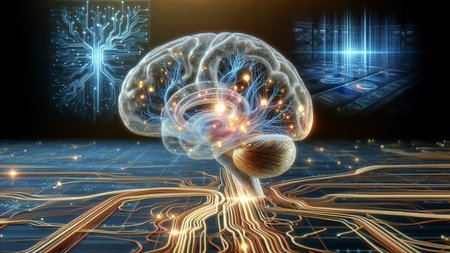
Listening to music activates the same dopamine reward system in the brain that responds to sex, food, and drugs.
Your Brain on Music: The Same High as Sex and Drugs
That shiver down your spine when your favorite song hits just right? That's not just emotion—it's a neurochemical rush identical to what your brain experiences during sex, eating delicious food, or taking drugs.
Neuroscientists have confirmed what music lovers always suspected: our brains are literally wired to get high on music.
The Dopamine Connection
In a groundbreaking 2011 study published in Nature Neuroscience, researchers at McGill University used PET scans to watch people's brains while they listened to music that gave them chills. What they found was remarkable.
The same mesolimbic reward pathway that lights up during pleasurable activities—sex, eating, cocaine use—was flooding with dopamine during peak musical moments. Your brain genuinely cannot tell the difference between the pleasure of a perfect chord progression and other primal rewards.
Why Evolution Made Us Musical Junkies
This seems strange from an evolutionary perspective. Food keeps us alive. Sex ensures reproduction. But music? It doesn't provide calories or offspring.
Scientists theorize several explanations:
- Social bonding: Music may have evolved to strengthen group cohesion, crucial for early human survival
- Emotional regulation: The dopamine hit helps us process and manage emotions
- Pattern recognition reward: Our brains love predicting musical patterns, releasing dopamine when we're right
The Anticipation Is Part of the High
Here's where it gets even more interesting. Researchers discovered that dopamine doesn't just spike during the musical climax—it starts building during the anticipation of your favorite part.
Your brain learns the structure of songs you love. When it recognizes that a beloved chorus is approaching, it starts pre-releasing dopamine. This is the same anticipatory mechanism that makes addictive substances so powerful.
Can You Actually Get Addicted?
While music activates addiction-related pathways, it doesn't create the destructive dependency patterns of substances. You won't develop tolerance requiring louder and louder music, and there's no withdrawal syndrome.
However, the neurological overlap explains why:
- We compulsively replay favorite songs
- Music can genuinely improve mood and reduce pain
- Certain songs become deeply tied to emotional memories
- Live concerts create such intense euphoria
Some researchers even explore "music therapy" as a way to help recovering addicts—essentially replacing one dopamine source with a healthier one.
Your Personal Sound Drug
The type of music doesn't matter neurologically. Whether it's Bach, Beyoncé, or death metal, if it moves you, your brain responds the same way. The reward pathway doesn't judge musical taste.
So next time someone dismisses your playlist, remind them: you're not just listening to music. You're self-administering a perfectly legal, side-effect-free dopamine hit. Your brain literally evolved to make you a music addict—and that's a habit worth keeping.
Frequently Asked Questions
Does music release dopamine in the brain?
Why does music give you chills?
Can you be addicted to music?
Why do we like listening to the same songs over and over?
Is music therapy scientifically proven?
Verified Fact
This fact has been reviewed and verified against original sources.
Show verification details
Refined to be more precise - music activates the same dopamine reward pathways, not identical addiction mechanisms