In April 2020, Matt Pierson, a fifth-generation Montana rancher, phoned neighbors and asked them to donate cows they planned to sell. Within six days, 700 pounds of hamburger reached food banks. When butchers ran out of room, his nonprofit built a federally inspected plant of its own. More than 250,000 pounds have gone out since, and the donated meat still goes free to Montana food banks and schools.
A Rancher's Joke Became Free Meat for Montana
In April 2020, a Montana rancher named Matt Pierson was working cows during calving season when one of his hired men looked at the herd and said, "Look at all this hamburger walking around!" Pierson took it as an idea, and within a few years it had become a federally inspected processing plant that turns donated cattle into free meat for food banks and schools.
A Phone Call Over a Joke
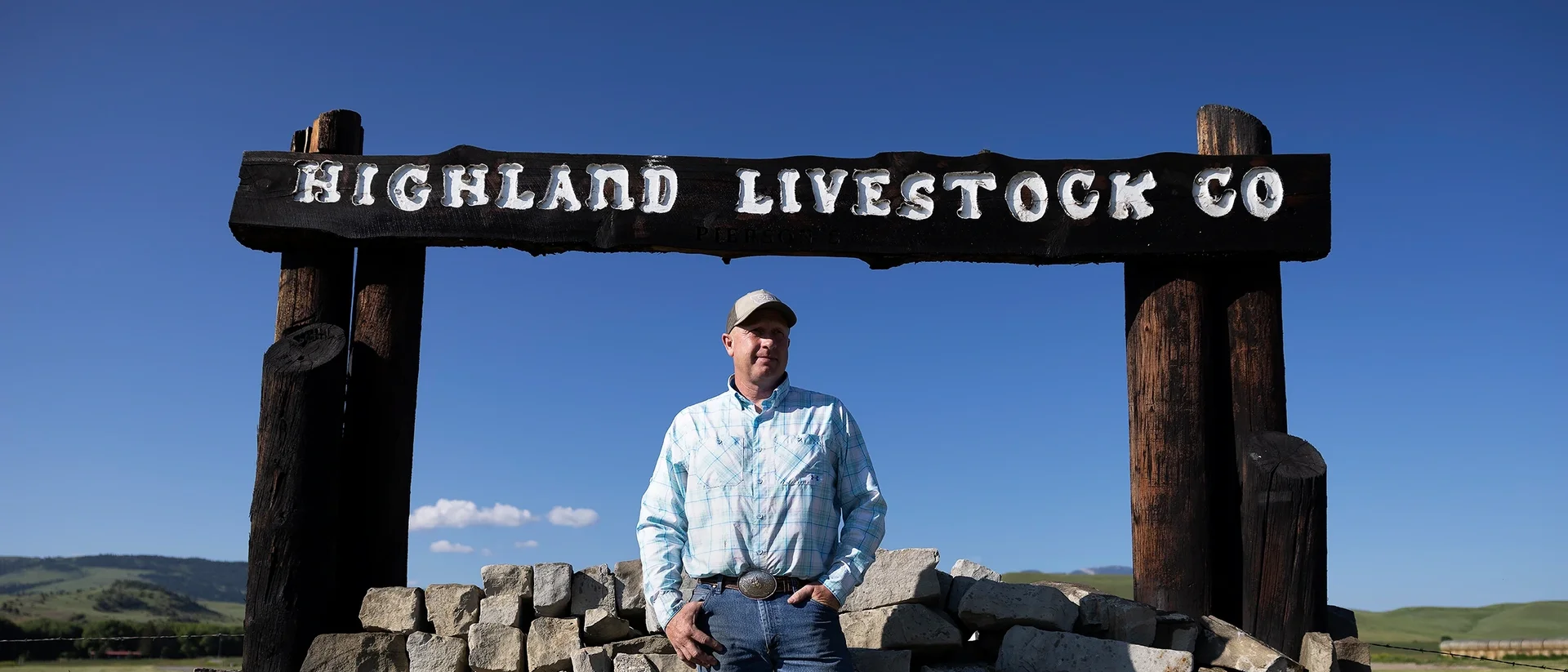
Pierson, a fifth-generation rancher who runs a cow-calf operation called Highland Livestock east of Livingston, said he could see the pandemic's effect on his town, with shortages in grocery stores. He realized ranchers had something to give.
He began phoning neighbors to ask whether they had cull cows, the older animals a rancher plans to sell off. He also called local meat processors.
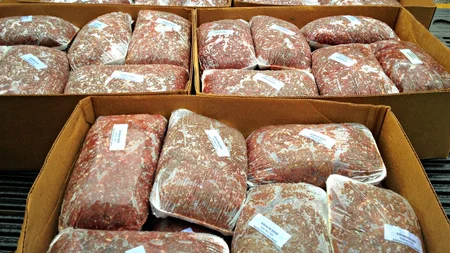
By the next day, 350 pounds of burger had been processed and Pierson delivered it to the Livingston Food Resource Center.
Six Days, 700 Pounds
One neighbor he spoke to sat on the board of the Park County Community Foundation. The board put $3,500 into a fund to pay for processing.
"Within 6 days from the time I started calling neighbors we delivered 700 pounds of hamburger to local food banks," Pierson told Farm Progress. "The idea took off from there."
Within a month, 10 neighbors and friends had donated 10,000 pounds of ground beef to food banks, pantries and community centers. By the end of 2020 the total stood at 53,345 pounds.
When the Butchers Ran Out of Room
The limit was processing. Custom butchers were scarce, and Pierson hauled animals as far as Williston, North Dakota, to find one. He said the group missed out on a lot of meat because it could not get animals to a butcher.
So the nonprofit voted to build its own plant. Pierson described a modular system going up on his ranch, and Montana-based WGM Group reported that the facility officially opened in summer 2022 as Montana's first federally inspected nonprofit plant.
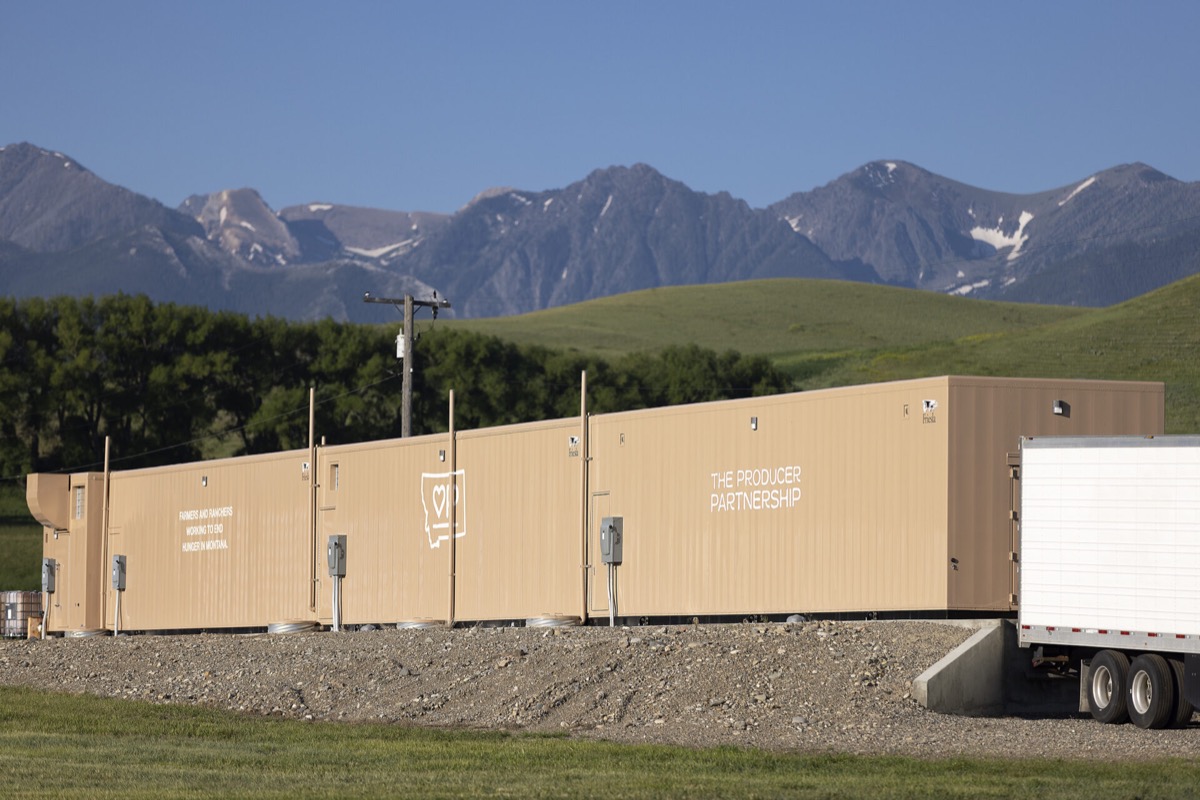
Free Meat, Still
Ranchers donate cattle, and the plant also takes pigs, sheep and bison. The meat is frozen and sent out through the Montana Food Bank Network to food banks, schools and other charities.
Montana State University Extension reports that 250,000 pounds of meat have been donated since the plant opened, and later reports put the total higher. Western Livestock Journal reported in April 2025 that more than 90 percent of the producers who have donated have done so more than once.
The plant also processes some meat that is not donated. Pierson told the Livingston Enterprise in November 2025 that about 85 percent of what it processes goes to Montana food banks.
The program began with a joke about hamburger in a calving pen. It is still sending donated meat out free across Montana.
Source:Farm Progress
Enjoyed this fact?
Be the first to love this
Get a new fact every morning.
A fascinating fact in your inbox every morning. Free. Unsubscribe anytime.
Frequently Asked Questions
What is the Producer Partnership in Montana?
What are cull cows?
How much meat has the Producer Partnership donated?
Did the Producer Partnership build its own processing plant?
Verified Fact
Verified Oct 7, 2026 · 7 sources checked
Source: Farm ProgressShow verification details
Claims checked
- Matt Pierson, a fifth-generation Livingston, Montana rancher, started the program in April 2020
- He phoned neighbors for cull cows; 350 pounds of burger the next day and 700 pounds within six days
- A nonprofit-owned federally inspected plant opened in summer 2022
- More than 250,000 pounds donated (reports range from 250,000 to 350,000)
- Donated meat still goes free to Montana food banks and schools (about 85 percent of what the plant processes is donated)
Sources: Farm Progress, Montana State University Extension, WGM Group, Livingston Enterprise, Western Livestock Journal
Related Topics
More from People & Mind
View all People & Mind →