Temple Grandin got down inside the cattle chutes at Arizona feedlots in the early 1970s to see what the cattle saw, and people thought she was crazy. She found what made them stop: a shadow, a hanging rope, a coat on the fence. Her curved chutes with solid sides now work on ranches and feedlots worldwide. At 79, she still teaches at Colorado State.
Temple Grandin Got Down in the Chute to See What Cattle See
In the early 1970s, cattle at the big Arizona feedlots kept stopping dead in the chutes, and handlers kept jabbing them with electric prods. A young graduate student named Temple Grandin tried something that, by her own account, nobody had done before. She got down inside the chute to see what the cattle were seeing.
A Graduate Student in Cattle Country
Grandin lived in Arizona from 1970 to 1981. She arrived to work on a master's degree at Arizona State University, and that is when she got deeply involved in the cattle industry.
What she saw at the large feedlots bothered her. "They were just so rough with the animals," she later told The Common Table.
She also noticed that cattle would often refuse to walk through the race, the narrow single-file corridor that leads to the squeeze chute.
What the Cattle Were Looking At
So she got in. "I got down in the chute to see what the cattle were seeing," Grandin said in a 2013 lecture at the University of Nebraska-Lincoln.
From inside, the problems were plain. The cattle had stopped at a shadow, at a rope hanging across the race, or at a coat left on the fence.
Small fixes made a big difference. She found that if a hose lying on the ground was picked up, or a truck parked next to the pens was moved, the cattle moved more easily.
Her later design guides add more of the same list: puddles, drain grates, shiny reflections and bright spots of sunlight can all make the lead animal balk.
Grandin has said she is a visual thinker, and has linked that way of seeing to her autism. To her, getting down in the chute simply seemed obvious.
People Thought She Was Crazy
Almost nobody else saw it that way. "People thought that was crazy," she recalled. In another interview she said that as a young woman in a man's world she was "looked at like I was crazy."
She kept at it anyway. "I learned how to design cattle handling facilities in Arizona," she told Arizona Farm Bureau. "I also learned that a lot of things take a lot of perseverance."
The Curve That Spread
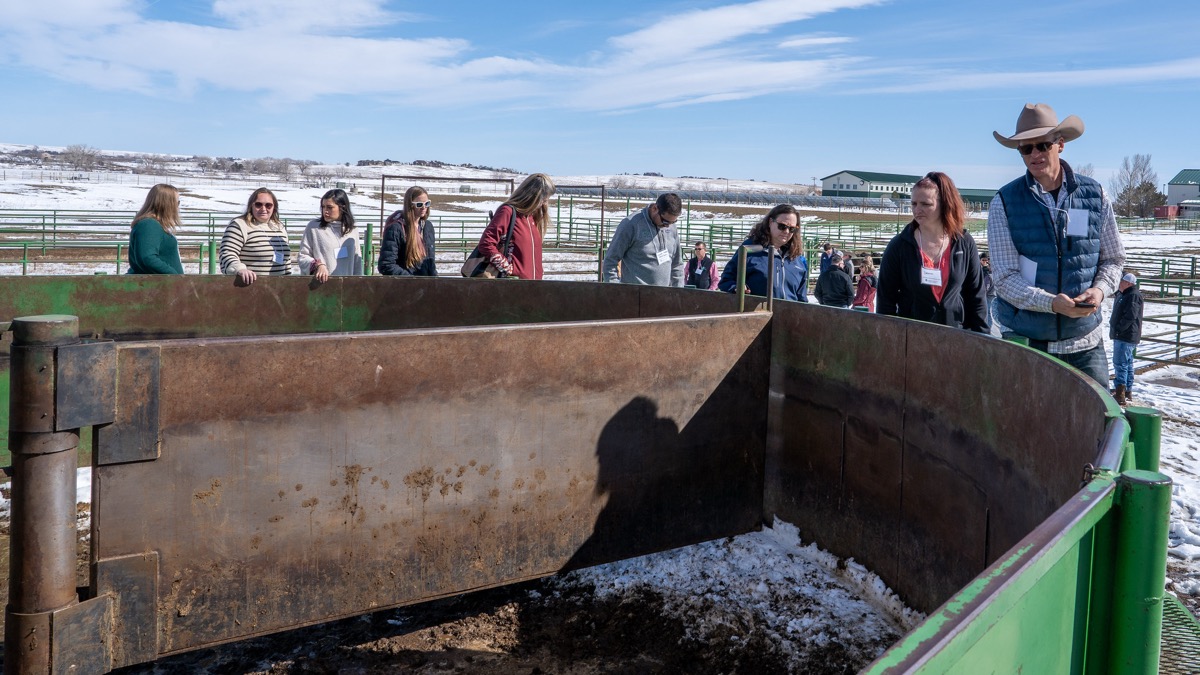
Her answer was the curved chute with high solid sides. The solid walls block the view of people and clutter outside the fence, and the curve stops cattle from seeing what waits at the end until they are almost there.
She paired it with a round crowd pen. As cattle make a half-circle turn through it, they think they are going back to where they came from, so they keep walking.
Her curved chute and race systems for cattle are now used around the world, on ranches and feedlots alike.
Still in the Classroom
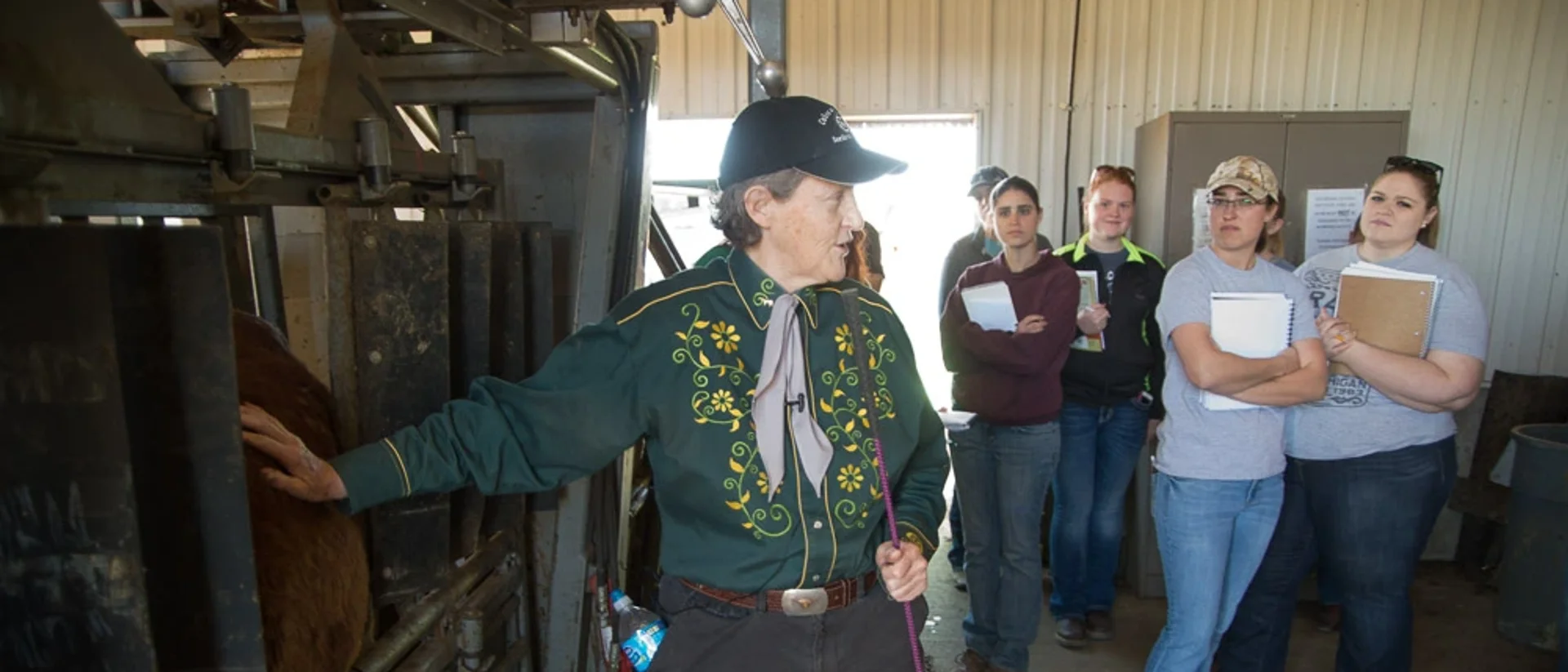
Grandin joined the faculty at Colorado State University in 1990. She is now a University Distinguished Professor of animal science there.
At 79, she is still on the faculty. The university says she teaches a class in livestock handling and meets regularly with graduate students about their research.
She has watched the industry change. "When I first started, maybe 10 to 20 percent did a decent job of handling animals," she said in 2013. "Now it's 80 percent."
Source:The Common Table
Enjoyed this fact?
Be the first to love this
Get a new fact every morning.
A fascinating fact in your inbox every morning. Free. Unsubscribe anytime.
Frequently Asked Questions
How did Temple Grandin figure out why cattle stopped in chutes?
Why do curved cattle chutes work better?
What makes cattle balk in a chute?
Does Temple Grandin still teach?
How old is Temple Grandin?
Verified Fact
Verified Sep 28, 2026 · 7 sources checked
Source: The Common TableShow verification details
Claims checked
- Temple Grandin got down inside the chutes at Arizona feedlots in the early 1970s to see what the cattle saw
- Cattle stopped at a shadow, a hanging rope and a coat on the fence
- The hanging object in her Arizona accounts corrected to a rope (was a chain)
- People thought her method was crazy
- Her curved chute systems are used on ranches and feedlots worldwide
- She is 79 and still teaches animal science at Colorado State
Sources: The Common Table, University of Nebraska-Lincoln, Arizona Farm Bureau, Grandin.com, Colorado State University, Wikipedia
Related Topics
More from People & Mind
View all People & Mind →