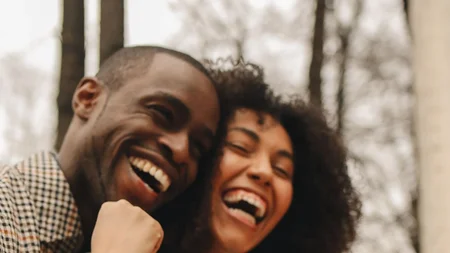
The typical person spends about 600 hours having sex between the ages of 20 and 70.
You'll Spend 600 Hours Having Sex in Your Lifetime
If you've ever wondered how much of your life is actually spent between the sheets, science has crunched the numbers: the typical person spends roughly 600 hours having sex between ages 20 and 70. That might sound like a lot—until you realize it's less than one percent of your entire life.
To put that in perspective, 600 hours is equivalent to 25 full days, or about the same amount of time the average person spends commuting to work in a single year. It's also less time than most people spend watching their favorite TV series.
The Math Behind the Magic Number
Researchers arrived at this figure by tracking sexual frequency across different age groups. People in their 20s have sex approximately 80 times per year—about once every four to five days. This drops to roughly 75 times annually in their 30s, then settles around 52 times per year (once weekly) during their 40s and 50s. By their 60s, most people are having sex about 20 times per year.
With an average session lasting around 13.6 minutes, the cumulative total over five decades comes out to roughly 600-630 hours. That's assuming relatively typical patterns—individual experiences vary wildly based on relationship status, health, libido, and lifestyle.
We're Actually Having Less Sex Than Before
Here's a plot twist: Americans across all age groups are having less sex now than in previous decades. Between the late 1990s and early 2010s, sexual frequency dropped by an average of nine encounters per year. Among young adults aged 18-24, the percentage reporting weekly sex plummeted from 51.8% to 37.4% between 2000 and 2018.
Researchers point to several culprits:
- Digital distractions: Smartphones, streaming services, and social media compete for attention
- Work stress: Longer hours and career pressures take their toll
- Living arrangements: More young adults living with parents or roommates
- Mental health: Rising anxiety and depression rates affect libido
Quality Over Quantity
Before you start feeling inadequate about these numbers, relationship experts emphasize that frequency isn't everything. Sexual satisfaction depends far more on connection, communication, and compatibility than hitting some statistical average.
Some couples thrive on daily intimacy; others are perfectly content with monthly encounters. The "right" amount is whatever works for you and your partner, not what a survey says you "should" be doing.
So yes, 600 hours might seem surprisingly low for something that occupies so much mental real estate. But it's a reminder that sex, while important, is just one ingredient in a full life—alongside sleep (about 229,961 hours), work (90,000 hours), and apparently, complaining about how tired we are (duration: unmeasured, but probably significant).
Frequently Asked Questions
How much time does the average person spend having sex in their lifetime?
How often do people have sex at different ages?
Are people having less sex than previous generations?
What is the average duration of a sexual encounter?
What percentage of older adults are sexually active?
Verified Fact
This fact has been reviewed and verified against original sources.
Show verification details
Based on research data from multiple studies, the average person aged 20-70 has approximately 2,790 sexual encounters. With an average duration of 13.