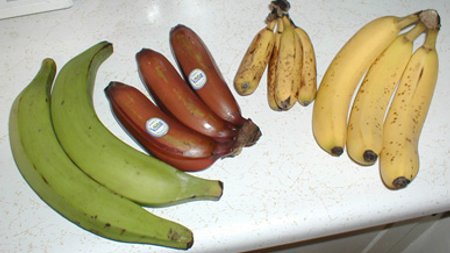
A Citroën 2CV crossing the Atacama desert in Chile lost all its engine oil in 1959. The crew filled the crankcase with mashed bananas and drove 300 kilometers to safety.
The Citroën 2CV That Ran on Bananas for 300km
On February 15, 1959, two French explorers named Jacques Seguela and J.C. Baudot were crossing Chile's brutal Atacama desert in a Citroën 2CV when disaster struck. Their tiny French car, designed to carry farmers and eggs across bumpy roads, was bouncing across the washboard-shaped desert surface when a horrible crunching sound erupted from the engine.
They pulled over to discover their worst nightmare: the engine oil cap had vibrated loose from the constant shaking, and every single drop of oil had spilled out onto the desert floor. Stranded in one of the driest places on Earth, their round-the-world expedition seemed doomed.
The Unlikely Savior
That's when a local Indigenous man appeared with a bag of bananas. Instead of offering the fruit as food, he peeled them one by one and stuffed the mashed bananas directly into the engine's oil carter. It sounds like automotive suicide—modern YouTube experiments show banana "oil" destroys engines within minutes. But in 1959, with no other options, Seguela and Baudot fired up the engine.
Miraculously, it started without alarming sounds. They drove 300 kilometers (186 miles) across the desert without the engine seizing, eventually reaching civilization and proper motor oil.
The 2CV's Legendary Toughness
This wasn't just a random road trip. Seguela, a pharmacist and advertising executive, and Baudot had left the Paris Motor Show on October 9, 1958, driving around the world to survey rare medicinal plants. They would return to Paris on November 11, 1959, having completed the first world tour by a French car—100,000 kilometers in total.
The banana incident became legendary proof of the 2CV's absurd durability. Citroën even featured the story in marketing materials throughout the 1960s. The 2CV was designed to be repaired with hammers and wire in rural France, but surviving 300km on fruit exceeded even Citroën's wildest claims.
Why Did It Actually Work?
Modern engineers are skeptical, and rightfully so. When people try to replicate the experiment today, engines fail catastrophically. Bananas contain sugars and acids that should caramelize and corrode metal surfaces immediately.
The likely explanation? The 2CV's air-cooled engine ran at lower temperatures than modern engines, and the men probably drove very slowly and carefully, minimizing friction and heat. The banana pulp may have provided just enough lubrication to prevent metal-on-metal contact long enough to reach help. It wasn't good for the engine—it was barely adequate emergency survival.
Still, whether the story is 100% accurate or has grown in the telling, it perfectly captures the spirit of the Citroën 2CV: a scrappy, unkillable little car that refused to die, even when fed tropical fruit instead of motor oil.
Frequently Asked Questions
Can you really use bananas as engine oil?
Where did the Citroën 2CV banana oil story happen?
Why did the Citroën 2CV lose its engine oil?
How far did the 2CV drive on banana oil?
Was the Citroën 2CV banana story real?
Verified Fact
This fact has been reviewed and verified against original sources.
Show verification details
Corrected location (Atacama desert in Chile, not Italy), corrected component (engine crankcase, not gearbox), and corrected distance (300km/186 miles, not 500 miles). The core story is historically documented.