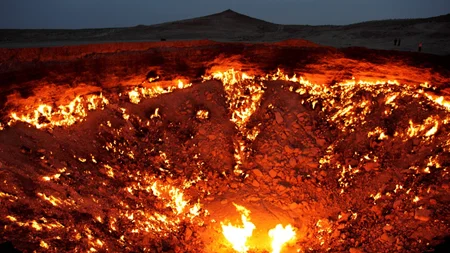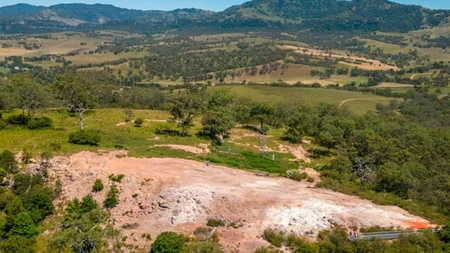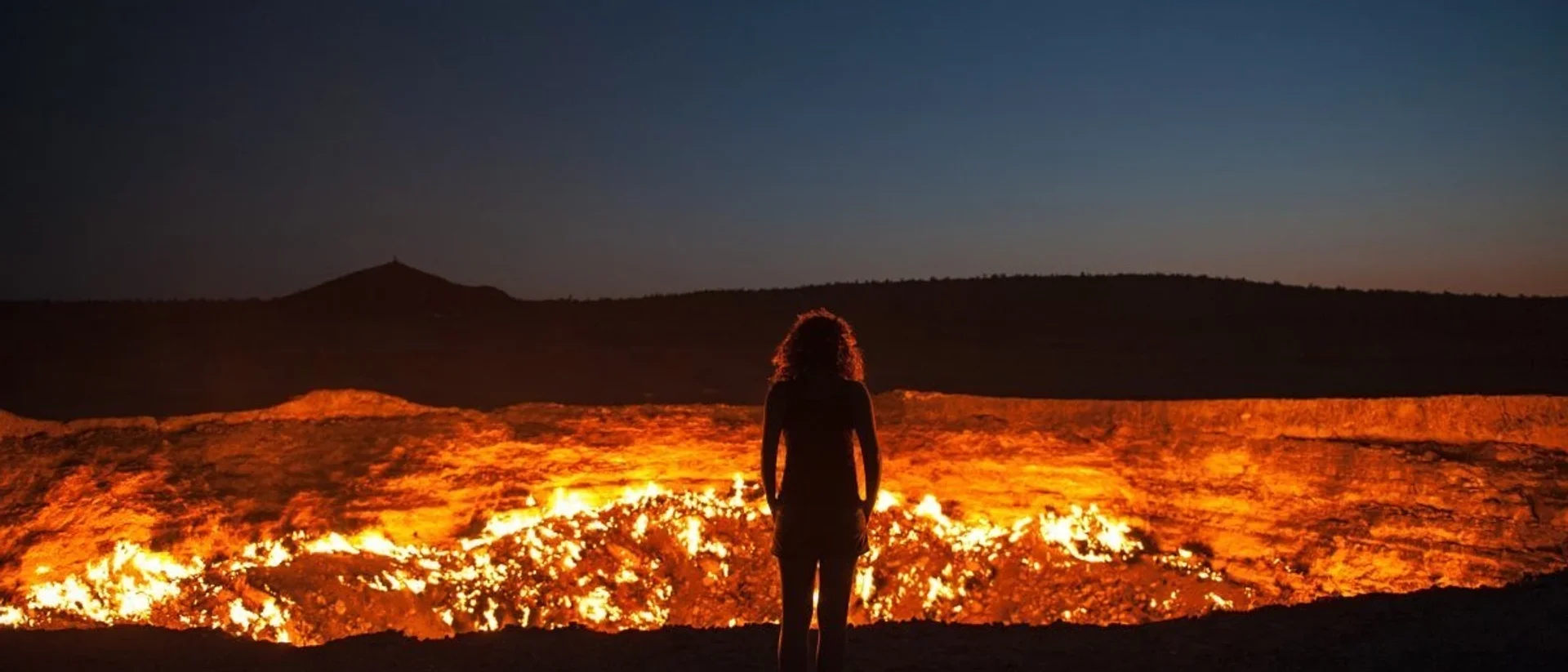
A natural gas vent in Iraq known as Baba Gurgur (The Eternal Fire) has been burning continuously for at least 2,500 years. Ancient writers including Plutarch described eternal flames in the region, and local tradition connects it to the 'fiery furnace' from the Book of Daniel.
Iraq's Eternal Fire Has Burned for 2,500 Years
In the oil-rich fields near Kirkuk, Iraq, flames dance from the earth as they have for millennia. Baba Gurgur—meaning "Father of Fire" in Kurdish—is one of the world's oldest continuously burning natural gas vents, with flames that have never been extinguished in recorded history.
The fire isn't magic. It's geology. Natural gas seeps through cracks in the earth's surface, igniting on contact with air. What makes Baba Gurgur remarkable is the sheer persistence of the phenomenon—at least 2,500 years of uninterrupted burning.
Ancient Writers Took Notice
Greek and Roman historians documented eternal flames throughout the ancient world, and the fires of Mesopotamia drew particular attention. Plutarch, writing in the first century CE, described flames that burned perpetually in the region.
These weren't minor curiosities. In an age before the science of geology, fire that burned without fuel seemed genuinely supernatural—a direct manifestation of divine power.
The Biblical Connection
Local tradition links Baba Gurgur to one of the most dramatic scenes in the Old Testament: the fiery furnace from the Book of Daniel. According to the biblical account, King Nebuchadnezzar threw three Jewish men—Shadrach, Meshach, and Abednego—into a furnace so hot it killed the soldiers who threw them in.
The three emerged unharmed, protected by an angel.
Whether this story has any historical connection to Baba Gurgur remains speculation. But the eternal flames of Kirkuk would certainly have inspired awe in ancient visitors, making them a compelling candidate for such legends.
From Sacred Site to Oil Field
Baba Gurgur's significance shifted dramatically in 1927. British prospectors drilling nearby struck oil—one of the largest gushers in history. The well blew for ten days, spraying oil 50 meters into the air and signaling the birth of Iraq's petroleum industry.
Today, the eternal fire still burns near the massive Kirkuk oil field, one of the world's largest. The flames that once inspired religious devotion now serve as a reminder of the geological forces that created Iraq's oil wealth.
Not the Only Eternal Flame
Baba Gurgur has competition. Similar natural gas vents burn around the world:
- Yanar Dag, Azerbaijan—a hillside flame on the Caspian Sea
- Chimaera, Turkey—flames mentioned in Greek mythology
- Door to Hell, Turkmenistan—a Soviet-era drilling accident that's burned since 1971
But none match Baba Gurgur's combination of ancient provenance and documented history. It's been burning since before Alexander the Great conquered the Persian Empire, before Rome rose and fell, before the modern nations of the Middle East existed.
The fire doesn't care about empires. It just burns.
Enjoyed this? Get a new fact every morning.
A fascinating fact in your inbox every morning. Free. Unsubscribe anytime.
Frequently Asked Questions
Where is the Eternal Fire in Iraq located?
How long has Baba Gurgur been burning?
Is Baba Gurgur the fiery furnace from the Bible?
What causes the eternal fire in Iraq?
Can you visit Baba Gurgur?
Verified Fact
This fact has been reviewed and verified against original sources.
Show verification details
Corrected the timeframe from '4,000 years' to '2,500 years' and clarified the historical sources. The site is Baba Gurgur near Kirkuk, Iraq. Herodotus didn't mention it directly, but ancient sources do reference eternal fires in the region.