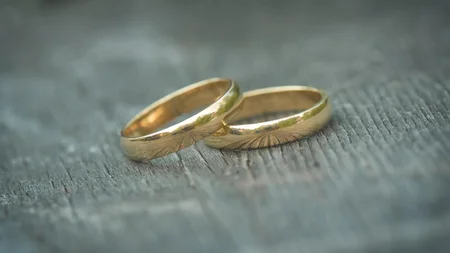
First-cousin marriages are legal in Utah, so long as both parties are 65 or older!
Utah's Surprising Marriage Law for First Cousins Over 65
Most people assume marrying your first cousin is illegal everywhere in the United States. But in Utah, first cousins can walk down the aisle together—as long as they're both at least 65 years old. It's one of the most unexpected marriage laws still on the books.
Under Utah Code § 30-1-1 (renumbered as §81-2-402 in 2024), marriages between first cousins are normally considered "incestuous and void from the beginning." But the law carves out a clear exception: if both parties have reached their 65th birthday, they're free to marry. There's also a second provision allowing first cousins aged 55 and older to marry if a court determines neither can reproduce.
Why the Age 65 Exception?
The reasoning is straightforward: reproductive concerns. Historical bans on cousin marriage largely stem from worries about genetic risks to potential children. Once people reach 65, reproduction becomes biologically improbable, so the state sees no reason to prohibit the union.
It's a pragmatic approach that acknowledges the difference between reproductive-age couples and senior citizens. If there's no chance of children, the primary justification for the prohibition disappears.
Utah Isn't Alone
Utah is one of eight states with conditional allowances for first-cousin marriages. The others include:
- Arizona - permits if both are 65+ or one is infertile
- Illinois - allows if both are 50+ or one is permanently infertile
- Indiana - legal if both are 65+
- Maine - requires genetic counseling
- Minnesota - excludes adopted cousins from the ban
- Wisconsin - allows if the woman is 55+ or one is infertile
Meanwhile, 19 states permit first-cousin marriage without any restrictions, and 24 states ban it entirely regardless of age or fertility status.
The Genetics Aren't As Scary As You Think
Popular culture often exaggerates the genetic risks of cousin marriage. While children of first cousins do face a slightly elevated risk of birth defects, the actual increase is modest—from about 3-4% in the general population to 5-6% for first cousins. That's roughly the same risk as a woman giving birth in her early 40s.
Many cultures around the world have different views on cousin marriage. It's common and socially acceptable in parts of the Middle East, North Africa, and South Asia. The Western taboo is relatively recent, historically speaking.
So if you're a Utah senior citizen who happens to be sweet on your first cousin, the law won't stand in your way. Just make sure you're both ready for some raised eyebrows at the family reunion.
Frequently Asked Questions
Can first cousins legally marry in Utah?
Why does Utah allow cousin marriage at age 65?
What states allow first cousin marriage?
What are the genetic risks of marrying your first cousin?
Is cousin marriage common in other countries?
Verified Fact
This fact has been reviewed and verified against original sources.
Show verification details
Confirmed via Utah Code § 30-1-1 (renumbered as §81-2-402 effective 9/1/2024). First cousins may legally marry in Utah if both parties are 65 or older, or if both are 55+ and unable to reproduce.